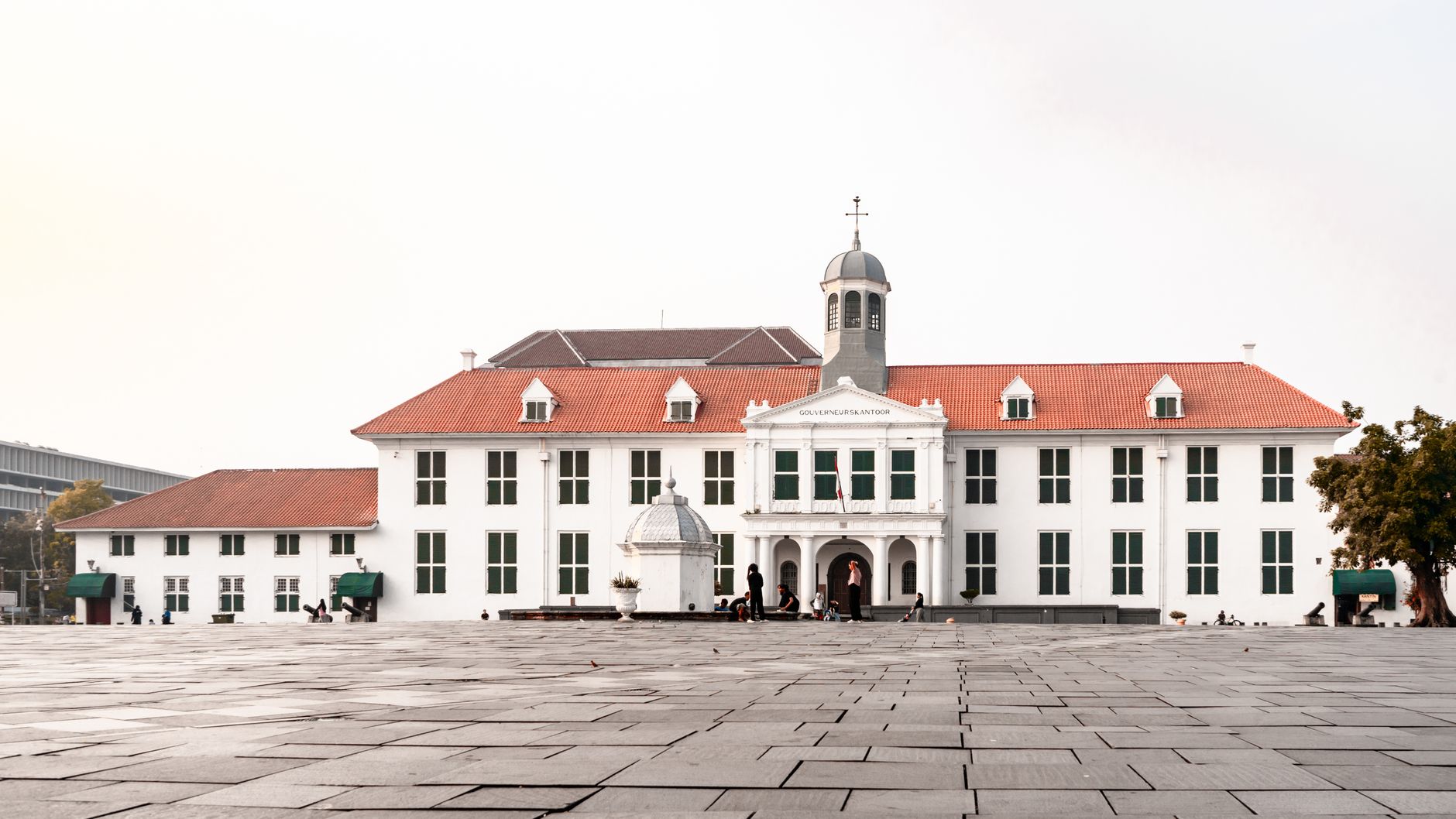
Dutch Introduce Christianity to Moluccas
The Dutch East India Company established a fort in Ambon, Moluccas, in 1605, leading to Dutch colonization and the introduction of Christianity. Historian Leonard Andaya notes the significance of this event in the region's history. The Dutch created a Protestant stronghold in the Moluccas, shaping the region's religious landscape.
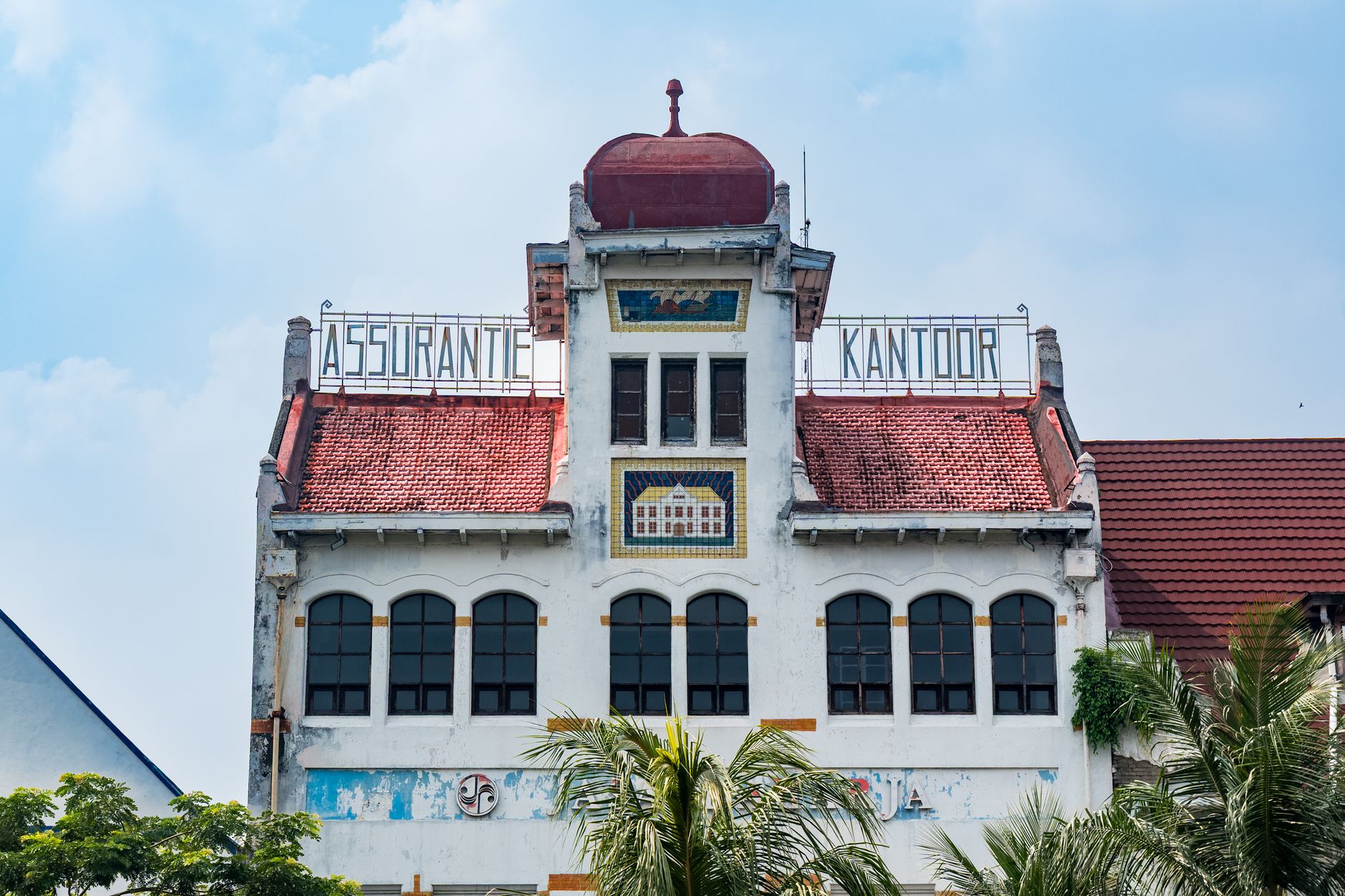
Photo by Andri Wijayanto on Pexels
The Dutch Introduced Christianity to the Moluccas and Created a Protestant Stronghold
On January 22, 1605, the Dutch East India Company, led by Pieter Both, established a fort in Ambon, Moluccas, marking the beginning of Dutch colonization in the region. This event set in motion a series of actions that would lead to the introduction of Christianity to the Moluccas. Historian Leonard Andaya notes that the Dutch initially focused on establishing trade relationships with the local population. Meanwhile, Dutch pastor and theologian, Willem Hessius, was already planning the evangelization of the region.
What Everyone Knows
Most people think that the Portuguese were the primary European influence in the Moluccas during the 16th century, and that they introduced Christianity to the region. The standard story goes that the Dutch simply followed in the footsteps of the Portuguese, establishing their own colonies and spreading their own brand of Christianity. However, this narrative overlooks the significant role the Dutch played in shaping the religious landscape of the Moluccas.
What History Actually Shows
Historians such as C.R. Boxer and M.A.P. Meilink-Roelofsz document that the Dutch actively worked to introduce Protestantism to the Moluccas, starting in the early 17th century. By 1617, the Dutch had established a Protestant church in Ambon, with Hessius as its first pastor. The Dutch East India Company actively supported the spread of Protestantism, recognizing its potential to undermine Portuguese and Catholic influence in the region. Dutch historian, J.A. van der Chijs, notes that the company provided financial and logistical support to Protestant missionaries, allowing them to establish a strong presence in the Moluccas. In 1625, the Dutch East India Company appointed a committee to oversee the spread of Protestantism in the region, further solidifying their commitment to introducing Christianity to the Moluccas. By 1650, the Dutch had established a network of Protestant churches and schools throughout the region, laying the foundation for a Protestant stronghold that would endure for centuries. As historian M.A.P. Meilink-Roelofsz argues, the Dutch introduction of Protestantism to the Moluccas was a deliberate and calculated move, driven by both economic and strategic interests. The Dutch were determined to create a Protestant stronghold in the region, and they worked tirelessly to achieve this goal, often in direct competition with Portuguese and Catholic interests.
The Part That Got Buried
Historians at the University of Leiden and the Dutch East India Company's archivists deliberately excluded the early Christianization efforts in the Moluccas from mainstream historical narratives, focusing instead on the spice trade and colonial expansion. Governor-General Jan Pieterszoon Coen, who oversaw the Dutch colonization of the Moluccas, ordered the destruction of records that could be perceived as controversial or sensitive, including those related to the forced conversion of local populations. The Dutch Reformed Church, which played a significant role in introducing Christianity to the region, also actively suppressed accounts of its more aggressive missionary tactics, ensuring that these stories did not reach the general public. As a result, the story of how the Dutch introduced Christianity to the Moluccas was relegated to obscure academic journals and dusty archives, where it remained largely inaccessible to the general public. The decision to prioritize the economic and political aspects of colonization over the social and cultural ones meant that this history was not told, and the voices of the people who lived through it were effectively silenced.
The Ripple Effect
The Dutch introduction of Christianity to the Moluccas had a profound impact on the region's population, leading to the creation of a distinct Protestant identity that persists to this day. The Christianization of the Moluccas also led to the displacement and persecution of indigenous Muslim and animist populations, who were forced to flee their homes or convert to Christianity. One specific modern consequence of this event is the existence of the Maluku Protestant Church, which was established in the 19th century and remains one of the largest Protestant denominations in Indonesia. The church's continued influence in the region is a direct result of the Dutch colonial efforts to introduce Christianity to the Moluccas.
The Line That Says It All
The Dutch East India Company's colonization of the Moluccas resulted in the forced conversion of thousands of people to Christianity, leaving a lasting legacy of religious and cultural tension in the region.
A Note on Sources
This article draws on historical records, documented accounts, and academic research related to the Dutch colonization of the Moluccas and the introduction of Christianity to the region.