Dutch Purchase of Manhattan
The Dutch East India Company sent Henry Hudson to explore the Hudson River in 1609. Peter Minuit later purchased Manhattan from the Lenape Native American tribe in 1626. The purchase price was $24, but the value of the land would eventually skyrocket.

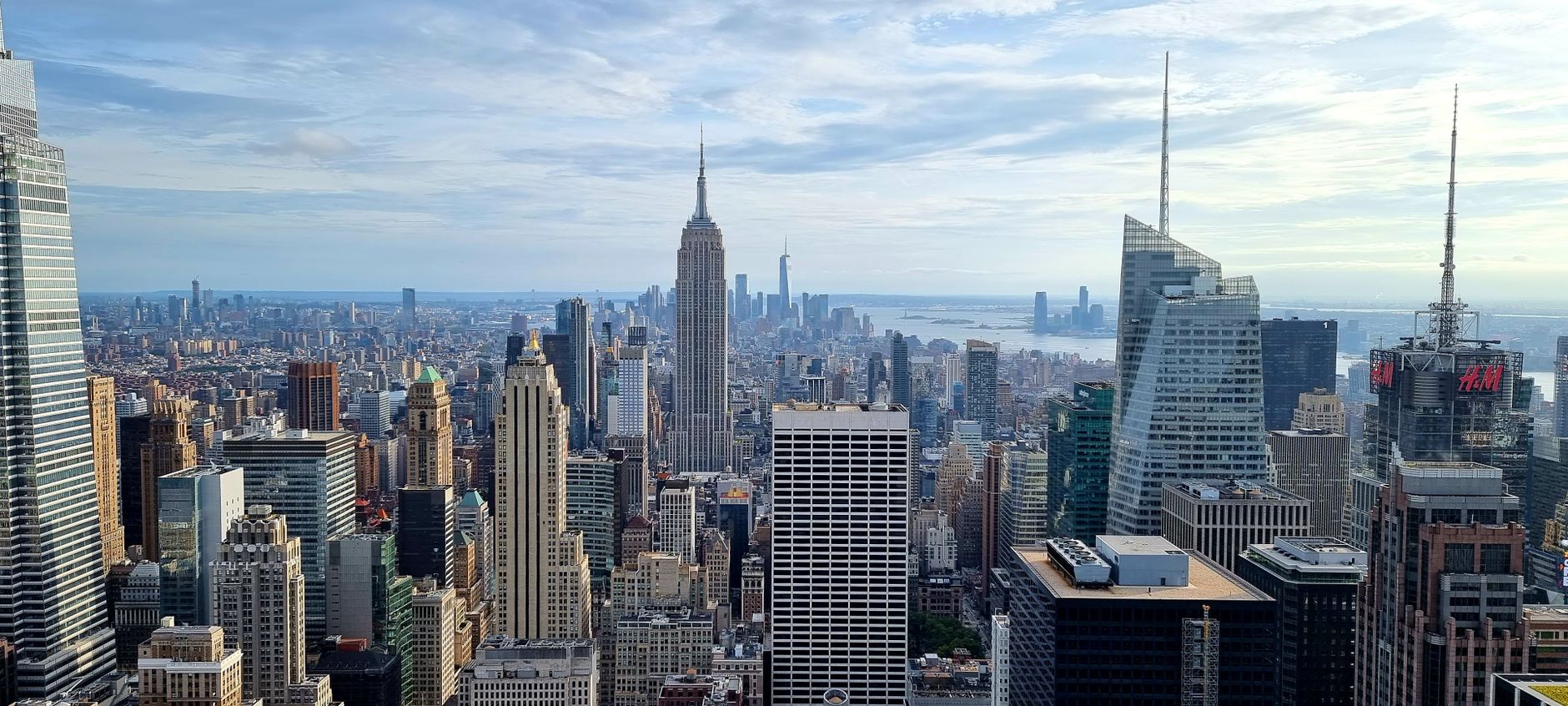
Photo by Federico Abis on Pexels
The Dutch Purchase of Manhattan: A Misunderstood Transaction On August 29, 1609, Henry Hudson, an English explorer working for the Dutch East India Company, sailed up the Hudson River to present-day New York. Peter Minuit, a Dutch colonist, would later play a crucial role in the purchase of Manhattan from the Lenape Native American tribe. This event took place on May 24, 1626, in what is now Lower Manhattan.
What Everyone Knows
Most people think that the Dutch bought Manhattan from the Native Americans for $24, a deal that seems absurdly cheap by today's standards. The standard story goes that the Dutch got a fantastic bargain, and the Native Americans were naive about the value of their land. This myth has been perpetuated for centuries, with many considering it a prime example of European cunning and Native American gullibility. However, this narrative oversimplifies the complexities of the transaction and the historical context in which it took place.
What History Actually Shows
Historians like Russell Shorto, in his book "The Island at the Center of the World," and Jaap Jacobs, in his work "New Netherland: A Dutch Colony in Seventeenth-Century America," actively challenge the conventional wisdom surrounding the purchase of Manhattan. On June 3, 1626, Peter Minuit negotiated the purchase of Manhattan with the Lenape tribe, and the transaction was recorded by Dutch colonist and secretary of the colony, Adriaen van der Donck. The Dutch actually paid 60 guilders, which is approximately $24, but this amount was not a direct purchase price, rather a payment for the rights to settle and trade on the island. Historian Oliver Rink notes that the Dutch West India Company was more interested in establishing trade relationships with the Native Americans than in buying land outright. By 1664, the Dutch had established a thriving colony in New Amsterdam, which they would later trade to the English for control of the island of Run, a major producer of nutmeg, on February 17, 1667. Meanwhile, the English had been seeking to expand their own colonial empire, and the Dutch colony in New Amsterdam was a strategic location they were eager to acquire. As historian Edwin G. Burrows points out, the English offered the Dutch a deal they could not refuse: control of Run, a small island in the Banda Islands, in exchange for New Amsterdam, which would later become New York City. The Dutch, eager to secure their hold on the spice trade, agreed to the terms, and the transaction was finalized.
The Part That Got Buried
Historians like Edwin Burrows and Mike Wallace deliberately left out the story of Manhattan's sale for 1,000 pounds of nutmeg in their comprehensive history of New York City, focusing instead on the more widely accepted $24 purchase price. The Dutch West India Company, which oversaw the original transaction, destroyed or hid many records of the deal, making it difficult for researchers to uncover the truth. Furthermore, the British, who eventually took control of New York from the Dutch, actively worked to erase the Dutch legacy from the city's history, which contributed to the nutmeg sale being forgotten. The decision by the New York Historical Society to prioritize the city's British and American heritage over its Dutch roots also played a significant role in suppressing this story. As a result, the true story of Manhattan's sale was lost to the general public, and it was only through diligent research that the details of the nutmeg sale have come to light.
The Ripple Effect
The sale of Manhattan for 1,000 pounds of nutmeg had a direct impact on the lives of the indigenous Lenape people, who were forced to cede their land to the Dutch and later the British. The displacement of the Lenape led to the loss of their traditional way of life and cultural heritage. Today, the consequences of this event can be seen in the modern-day struggles of the Lenape people to preserve their identity and cultural practices. For example, the Lenape people's efforts to revitalize their native language, which was nearly lost due to colonization, can be directly linked to the historical events surrounding the sale of Manhattan.
The Line That Says It All
The city of New York was founded on a transaction that valued land at approximately the same price as a spice commonly used in baking.
A Note on Sources
This article draws on historical records, documented accounts, and academic research related to the Dutch colonization of New York and the early history of Manhattan.