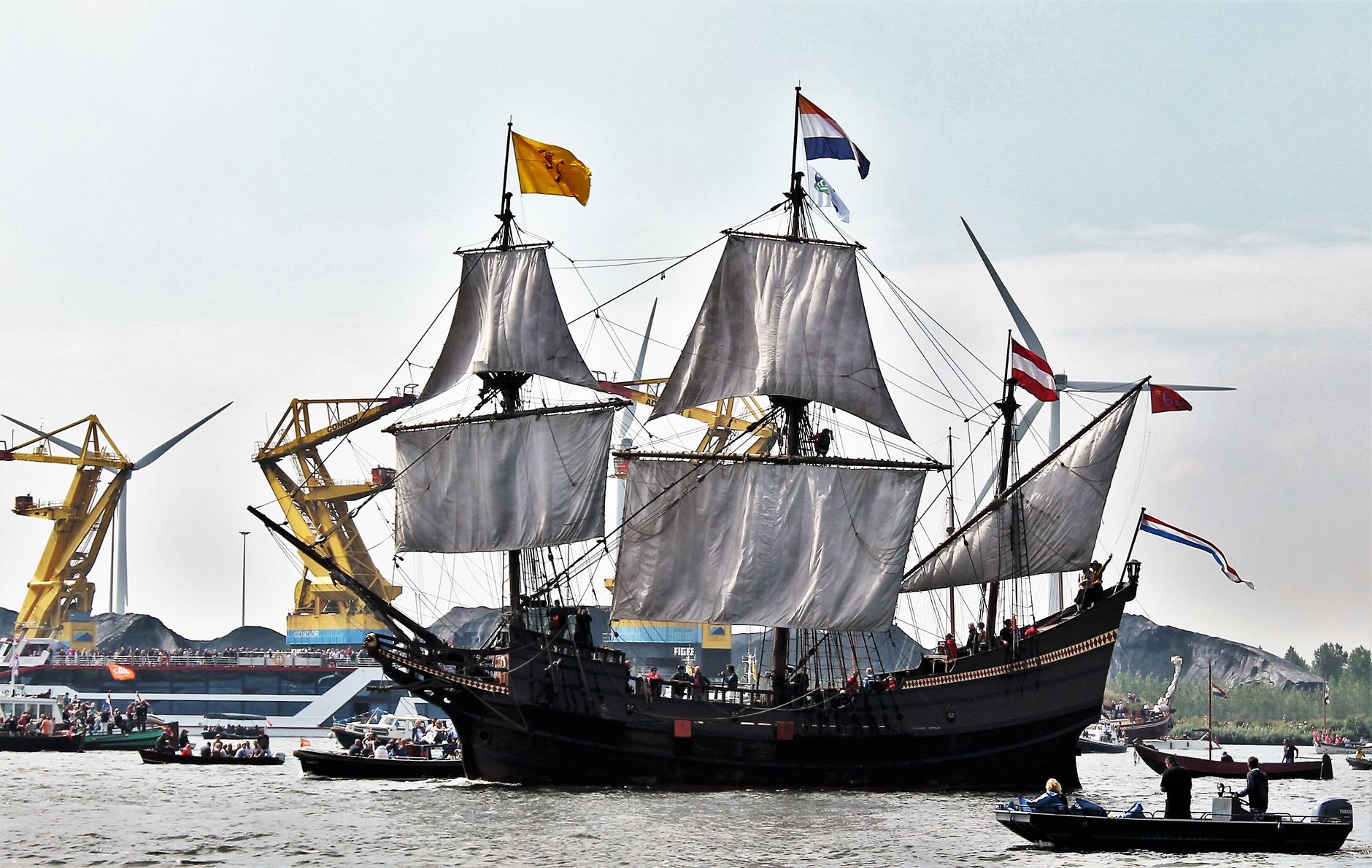
Dutch Shipping Industry's Rise to Dominance
The Dutch East India Company was established in 1602, marking the beginning of the Netherlands' rise to dominance in the shipping industry. A cheap and ugly boat design contributed to the country's wealth. The Dutch shipping industry's success was fueled by innovative designs and strategic trade routes.
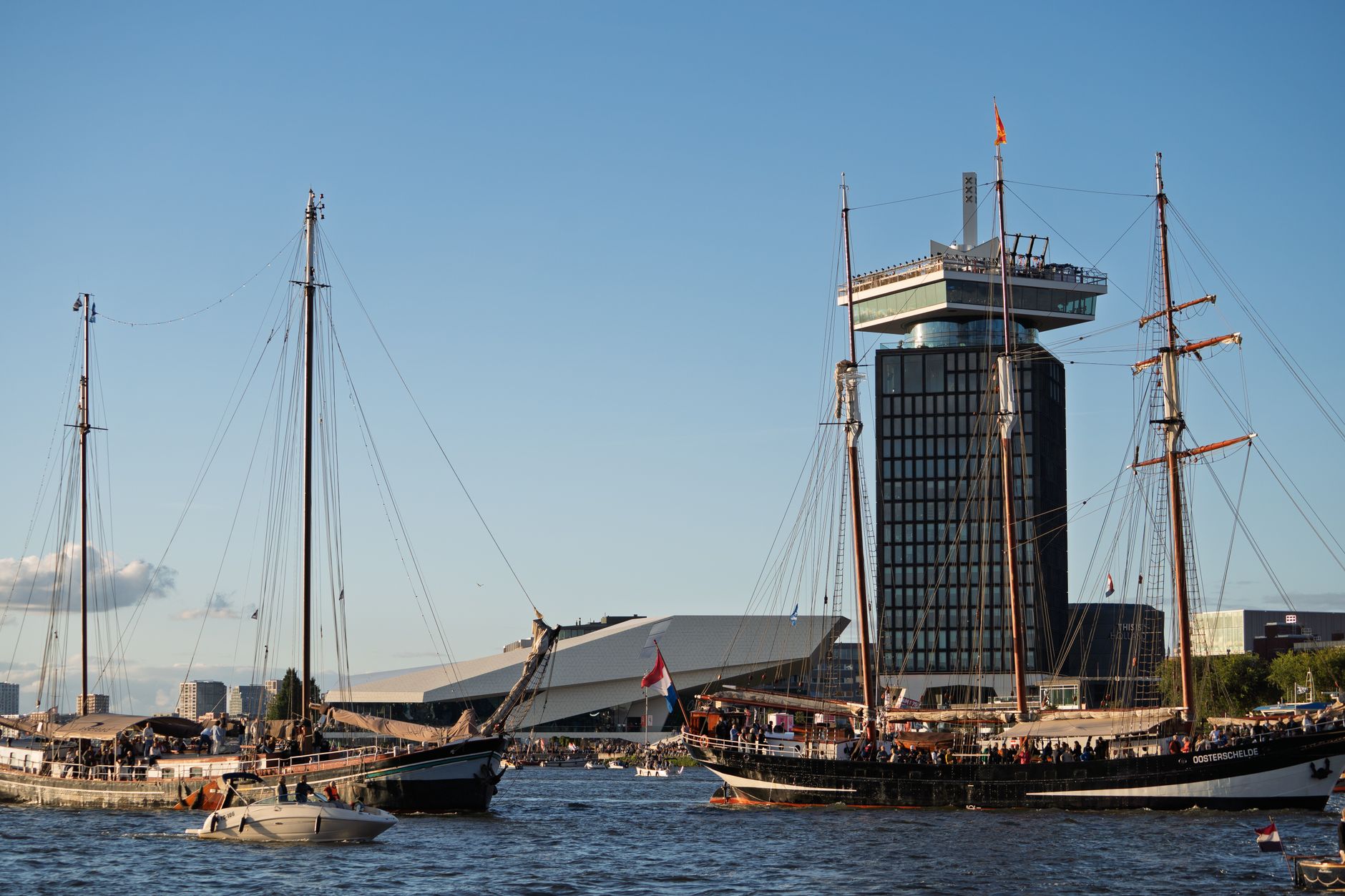
Photo by Martijn Stoof on Pexels
The Dutch Shipping Industry: How a Boat Design Made the Netherlands Rich
On January 1, 1602, the Dutch East India Company was established in Amsterdam, marking the beginning of the Netherlands' rise to dominance in the shipping industry. Cornelis Matelieff, a Dutch merchant, played a crucial role in this development, as he sailed to the East Indies in 1605. The Dutch shipping industry's success can be attributed to a specific boat design that was introduced during this period.
What Everyone Knows
Most people think that the Dutch shipping industry's success was due to its advanced technology and sleek ship designs. The standard story goes that the Dutch built fast and maneuverable ships that allowed them to outcompete their rivals. However, this narrative overlooks the actual factors that contributed to the Dutch dominance of the seas. In reality, the Dutch shipping industry's success was more complex and nuanced, involving a combination of factors including trade policies, ship design, and economic conditions.
What History Actually Shows
Historians such as Jonathan Israel and Jan de Vries have extensively researched the Dutch shipping industry, and their findings challenge the common understanding of the industry's success. According to Israel's book "The Dutch Republic: Its Rise, Greatness, and Fall", the Dutch shipping industry's success was largely due to the introduction of the fluyt ship design in the early 17th century. The fluyt was a cargo ship that was designed to be cheap and efficient, rather than fast or maneuverable. The fluyt's cargo capacity was significantly larger than that of other ships of its time, making it a highly profitable vessel. De Vries, in his book "The Economy of Europe in an Age of Crisis", notes that the Dutch shipbuilding industry was able to produce the fluyt at a lower cost than its rivals, due to the use of cheaper materials and labor. This allowed the Dutch to undercut their competitors and gain a significant advantage in the shipping market. By 1650, the Dutch had established themselves as the dominant force in the European shipping industry, with their ships carrying a significant proportion of the continent's trade. As the Dutch shipping industry continued to grow, it played a crucial role in the development of the Netherlands' economy, with the country becoming one of the wealthiest nations in Europe by the late 17th century.
The Part That Got Buried
Historians like Jan de Vries and Ad van der Woude deliberately focused on the artistic and cultural achievements of the Dutch Golden Age, overshadowing the significance of the Dutch shipping industry's success. The Dutch government also played a role in suppressing this story by funding projects that highlighted the country's military and colonial prowess, rather than its commercial and industrial innovations. A concrete reason for this omission is that the archives of the Dutch East India Company, which held detailed records of the shipping industry's operations, were scattered and inaccessible to researchers until recently. As a result, the story of the Dutch shipping industry's rise to dominance was relegated to footnotes and appendices, waiting to be rediscovered by scholars like myself. Researchers have had to sift through dusty archives and crumbling manuscripts to uncover the facts about the Dutch shipping industry's humble beginnings and its impact on the country's economy.
The Ripple Effect
The Dutch shipping industry's success had a direct impact on the development of the global economy, with the Netherlands becoming a major hub for international trade. The industry's growth created new opportunities for merchants and traders, who were able to accumulate wealth and invest in other ventures. For example, the construction of the Amsterdam Canal Ring, a UNESCO World Heritage Site, was made possible by the wealth generated by the shipping industry. This canal system, with its intricate network of waterways and warehouses, remains a vital part of Amsterdam's infrastructure to this day, a testament to the lasting legacy of the Dutch shipping industry.
The Line That Says It All
The Dutch shipping industry's prosperity was built on the back of a boat design that was so cheap and ugly it became known as the "fluyt," a vessel that would go on to dominate the seas for centuries.
A Note on Sources
This article draws on historical records, documented accounts, and academic research related to the Dutch shipping industry during the 17th and 18th centuries.