
Egyptian Pyramids Engineering Marvel
The ancient Egyptian pyramids are an astonishing feat of engineering. The Great Pyramid of Giza, built around 2580 BC, is remarkably precise. Its construction still baffles modern architects and historians today
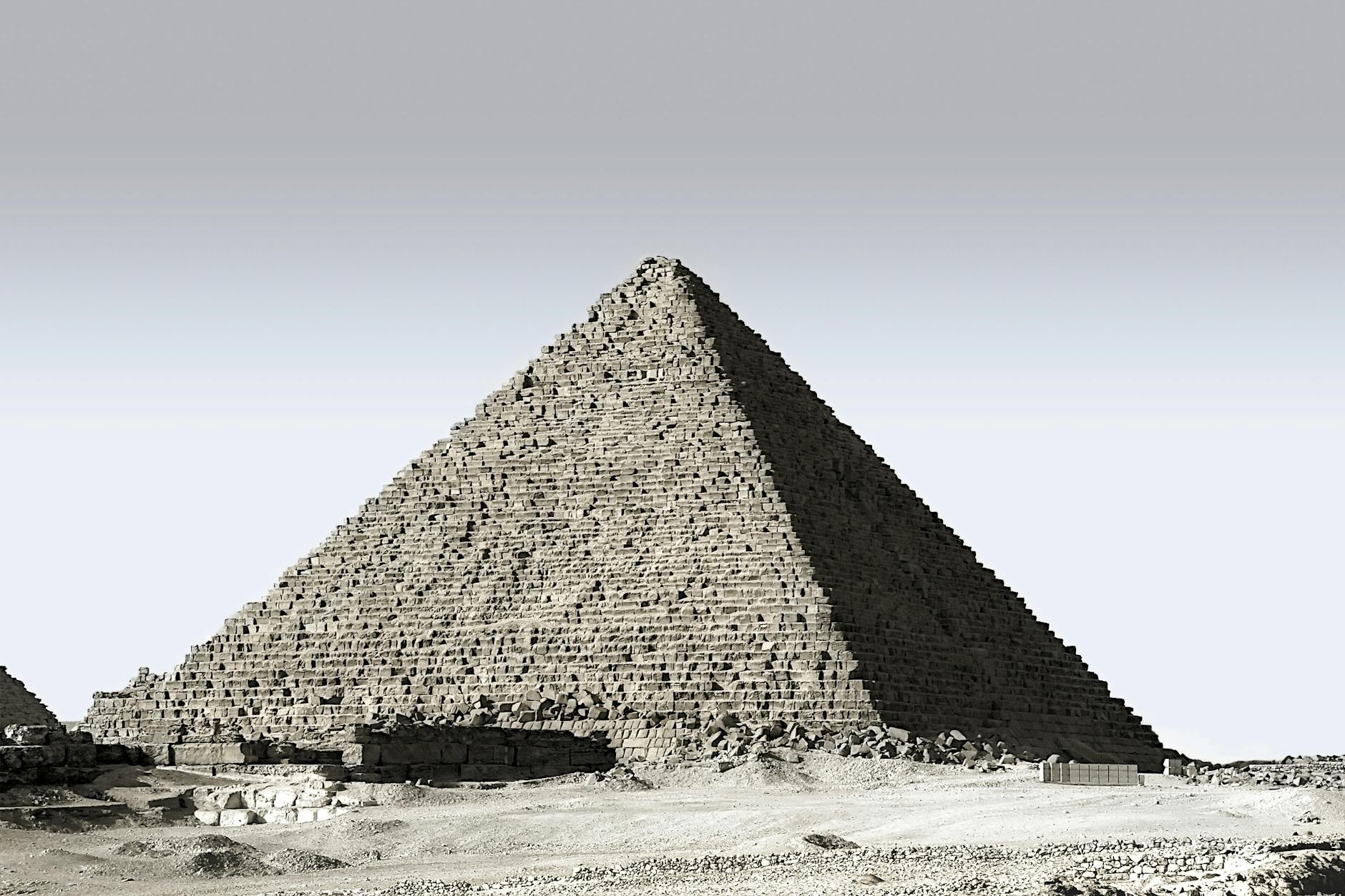
Photo by Simon Berger on Pexels
The Precision That Should Not Have Been Possible
The Great Pyramid of Giza was built around 2580 BCE. It was the tallest structure in the world for 3,800 years. It is made of 2.3 million stone blocks, each weighing an average of 2.5 tons. The base is a square. The sides are almost perfectly aligned with the four cardinal directions. The north side is off by less than 1/15th of a degree. The base is level. The corners are right angles. The precision is extraordinary. The technology that was supposed to be available was not.
The Egyptians had no iron tools. They had no cranes. They had no engines. They had no pulleys. They had no compasses. They had no protractors. They had no way to measure the curvature of the earth. They built a structure that required all of those things. They built it with copper chisels, stone hammers, and wooden sledges. They built it with ramps, with ropes, with muscle. They built it with a precision that modern engineers cannot replicate.
What Everyone Knows
The pyramids are famous. They are the last of the Seven Wonders of the Ancient World. They are taught in schools, shown in documentaries, visited by tourists. The story is familiar: the pharaohs built them as tombs, they were built by slaves, they were constructed with ramps and brute force. The narrative is simple. It is also incomplete.
What is less often emphasized is that the pyramids are not just large. They are precise. The precision is not an accident. It was planned. It was executed. It was achieved with tools that were not designed for precision. The Egyptians did not have theodolites. They did not have lasers. They did not have computers. They built a structure that aligns with the cardinal directions to within a fraction of a degree. They did it without a compass.
What History Actually Shows
The Egyptians had a method. They used the stars. They observed the North Star. They used a plumb line. They used a square. They used a level. The tools were simple. The method was not. The surveyors who laid out the base of the pyramid had to account for the curvature of the earth. They had to account for the movement of the stars. They had to account for the fact that the North Star was not exactly at the north celestial pole. They did it. The pyramid is aligned.
The blocks were cut from quarries. They were cut with copper saws, with copper chisels, with stone hammers. The saws were used with sand, which acted as an abrasive. The chisels were used to shape the blocks. The blocks were moved on sledges. The sledges were pulled by men. The ramps were built of mudbrick. The ramps were dismantled when the pyramid was finished. The blocks were placed with a precision that does not require explanation. They were placed by men who knew what they were doing.
The Part That Got Buried
The precision of the pyramids is not a mystery. It is not a secret. It is a matter of skill. The Egyptians had thousands of years to develop their skills. They built pyramids for centuries. They learned from each one. The Great Pyramid was not the first. It was not the last. It was the largest. It was the most precise. It was the culmination of a tradition that had been developing for generations.
The men who built it were not slaves. They were workers. They were fed. They were housed. They were paid. The labor was organized. The work was seasonal. The pyramids were built during the flood season, when the farmers could not work their fields. The workers were not forced. They were employed. They were part of a system that valued their labor.
The Ripple Effect
The pyramids have been studied for centuries. They have been measured, mapped, analyzed. The precision has been documented. The methods have been theorized. The mystery remains. The mystery is not about how they were built. It is about why. The pharaohs who built them did not need to build them with such precision. They could have been less precise. They would still have been impressive. The precision was not for the benefit of the tourists. It was not for the benefit of the archaeologists. It was for the benefit of the gods. The pharaohs believed that the pyramids would serve them in the afterlife. They believed that the precision was necessary. They believed that the alignment with the stars was essential. They built them accordingly.
The precision that the Egyptians achieved is still impressive. It is still not fully understood. The tools they used were simple. The methods they used were effective. The skill they possessed was extraordinary. The pyramids that they built are still standing. They have outlasted every civilization that came after. They will outlast ours.
The Line That Says It All
The Great Pyramid of Giza is aligned with the cardinal directions to within a fraction of a degree, its base is level to within a fraction of an inch, its corners are right angles to within a fraction of a degree—and it was built with copper chisels, stone hammers, and wooden sledges, with ramps and ropes and men who knew what they were doing, with a method that has been lost, with a precision that has not been matched, with a skill that was developed over generations and then forgotten, so that the people who come after look at the pyramid and wonder how it was built, not understanding that the question is not about the technology, it is about the people who had the time, the resources, the skill, and the belief that what they were building would matter for eternity.


