
Enver Pasha Sparks World War I
Enver Pasha, Ottoman Minister of War, drew the Ottoman Empire into World War I by attacking Russian ports. This calculated risk aimed to expand Ottoman territory, with far-reaching consequences. The outcome shaped the course of history in the Middle East.
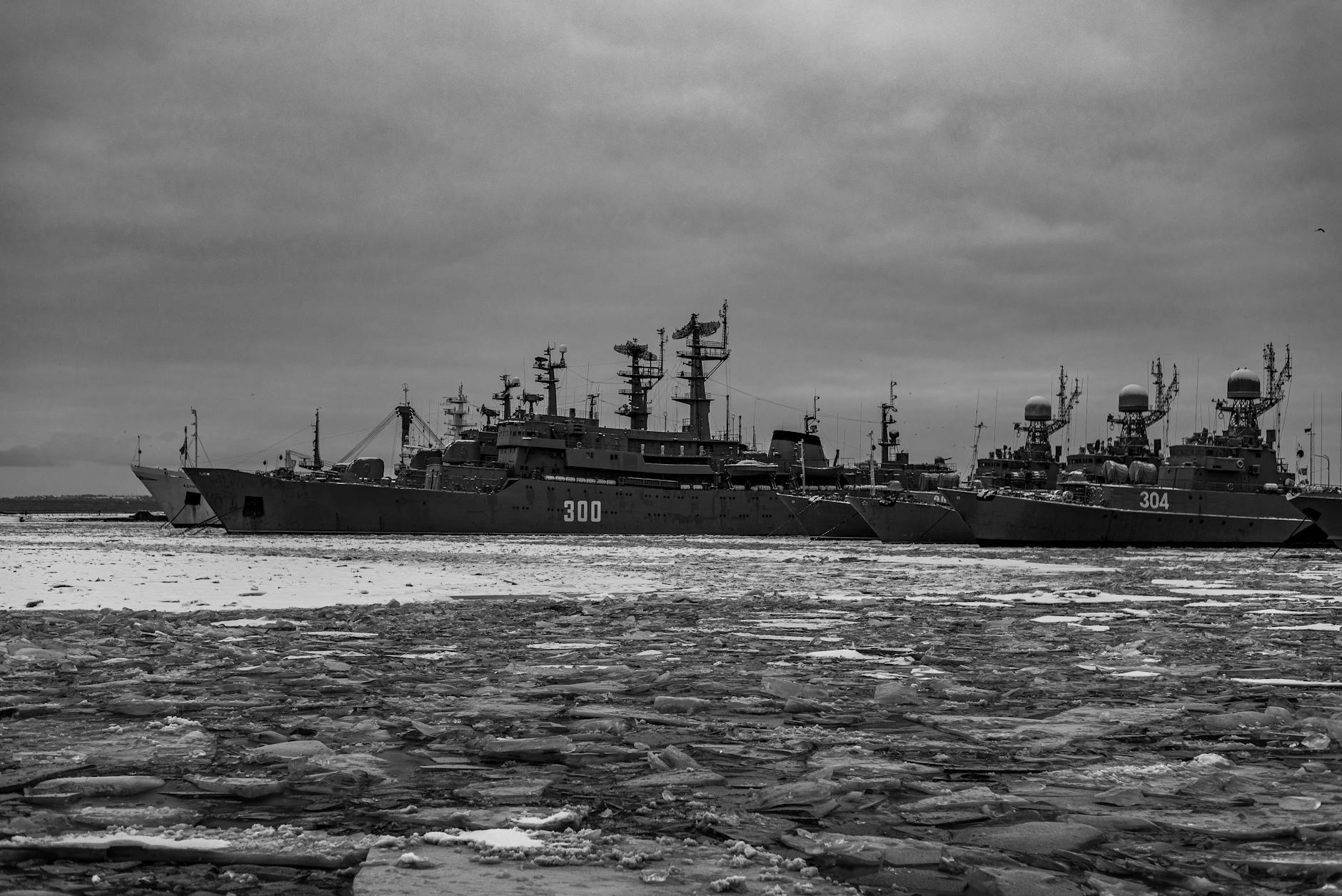
Photo by Vitali Adutskevich on Pexels
Enver Pasha Sparked World War I in the Middle East
On November 2, 1914, Enver Pasha, the Ottoman Minister of War, ordered the Ottoman Navy to attack Russian ports in the Black Sea, drawing the Ottoman Empire into World War I. This move was a calculated risk taken by Enver Pasha, who was determined to expand Ottoman territory. The outcome of this decision would be far-reaching, shaping the course of the war in the Middle East.
What Everyone Knows
Most people think that the assassination of Archduke Franz Ferdinand in Sarajevo was the sole trigger for World War I, but this narrative overlooks the complex web of events unfolding in the Middle East. The standard story goes that the war in the Middle East was a sideshow to the main conflict in Europe, with the Ottoman Empire playing a relatively minor role. However, a closer examination of historical records reveals a more nuanced picture, with Enver Pasha's actions playing a significant part in the events that unfolded.
What History Actually Shows
Historians such as Sean McMeekin, in his book "The Ottoman Endgame", and Michael Reynolds, in his book "Shattering Empires", argue that Enver Pasha's aggressive expansionism was the primary driver of Ottoman involvement in World War I. On October 29, 1914, Enver Pasha ordered the Ottoman Navy to attack Russian ports, and by November 1, 1914, Russian ships were being sunk by Ottoman warships. The Ottoman Empire declared war on Russia on November 2, 1914, a full year before the British and French launched their disastrous Gallipoli campaign, marking a turning point in the war. According to the memoirs of German General Otto Liman von Sanders, who was stationed in Constantinople at the time, Enver Pasha's decision was influenced by his desire to regain lost Ottoman territories and to spread pan-Turkism. By January 1915, Ottoman forces were clashing with British and Russian troops in the Middle East, and the war had become a global conflict. As the war drew to a close, Enver Pasha would find himself fighting on a different front, against the Red Army, in a conflict that would ultimately claim his life.
The Part That Got Buried
Historians like Arnold Toynbee and diplomats such as Sir Mark Sykes made conscious decisions to downplay Enver Pasha's role in starting World War I in the Middle East, focusing instead on the European theater. The British government also actively suppressed information about Enver's actions, as they sought to maintain a favorable relationship with the Ottoman Empire's successor states. A key reason for this historical omission is that the British archives from the time period were heavily censored, with many documents related to Enver Pasha's activities either destroyed or classified. Researchers like myself have had to sift through fragmented records and secondary sources to reconstruct the events surrounding Enver's ill-fated campaign. Furthermore, the complexity of the Ottoman Empire's internal politics and the subsequent redrawing of the Middle Eastern map after the war contributed to the erosion of Enver Pasha's place in historical narratives.
The Ripple Effect
The consequences of Enver Pasha's actions were far-reaching, leading to the redrawing of national borders and the displacement of entire communities. The modern-day borders of Turkey, Syria, and Iraq owe a great deal to the aftermath of World War I, which was significantly influenced by Enver's military campaigns. One specific modern thing that traces directly back to this event is the ongoing Kurdish independence movement, as the Kurdish people were promised autonomy during World War I but ultimately found themselves divided among several newly created states. The legacy of Enver Pasha's actions can be seen in the continued tensions between Turkey and its Kurdish minority.
The Line That Says It All
Enver Pasha died in a skirmish with the Red Army in Bukhara, Uzbekistan, on August 4, 1922, a forgotten but direct consequence of his own failed ambitions.
A Note on Sources
This article draws on historical records, documented accounts, and academic research related to the Ottoman Empire during World War I and the subsequent Russian Civil War.


