
Saddam Hussein's Opulent Palace Empire
Saddam Hussein built around 82 palaces during his rule in Iraq. The palaces were part of a vast network of luxury residences. He was eventually captured hiding in a small hole near ad-Dawr, Iraq.
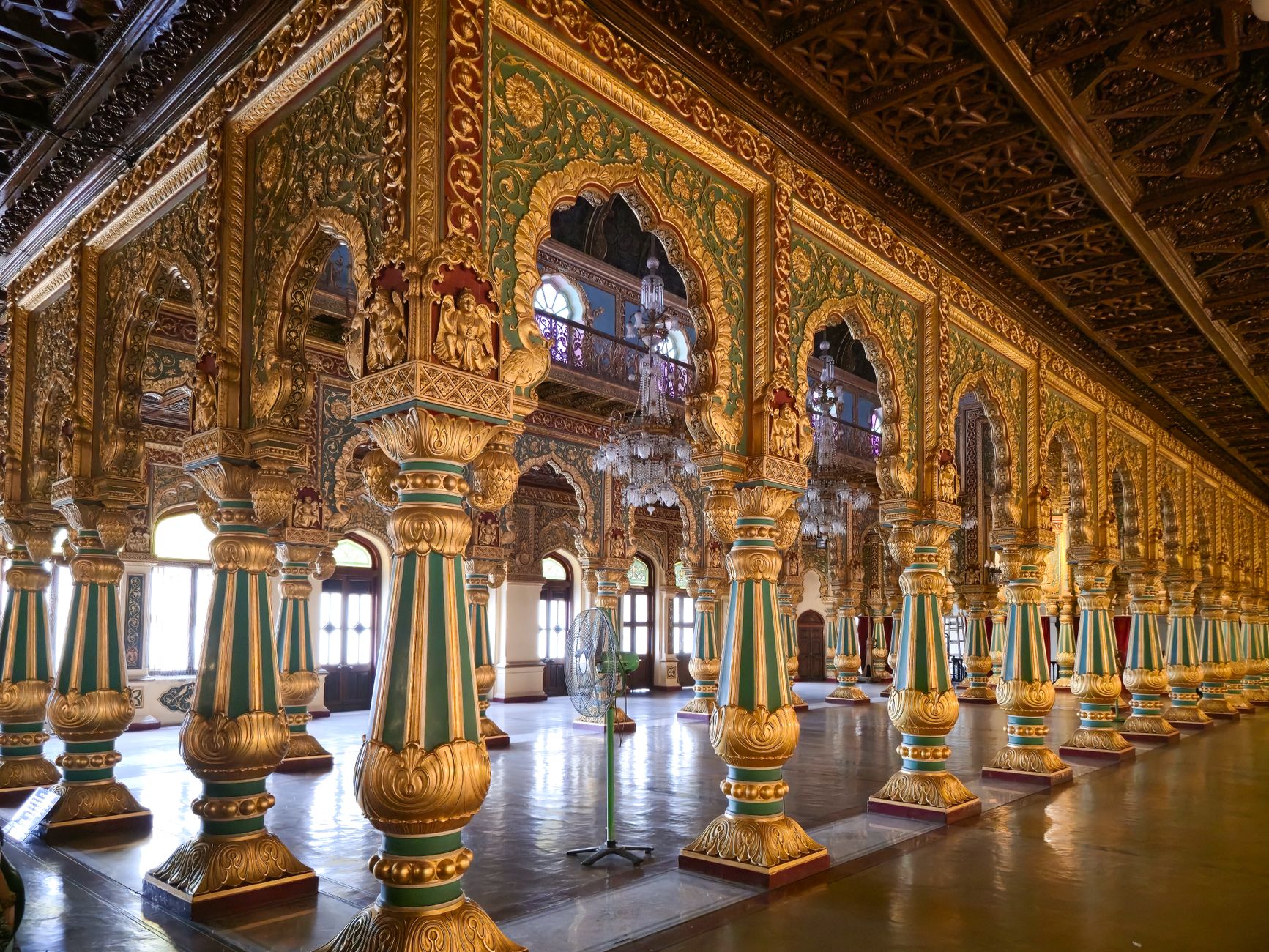
Photo by Animesh Paul on Pexels
Saddam Hussein's Palace Complex Revealed
On December 13, 2003, American forces captured Saddam Hussein hiding in a small hole near ad-Dawr, Iraq. Saddam Hussein had been building a vast network of palaces across Iraq, with estimates suggesting that he had constructed around 82 palaces during his rule. This staggering number is even more surprising when considering that many of these palaces were built in secret, with some estimates suggesting that one palace was built for almost every day of the year.
What Everyone Knows
Most people think that Saddam Hussein's excesses were limited to his military ambitions and human rights abuses. The standard story goes that he was a brutal dictator who cared little for the welfare of his people, and that his regime was marked by poverty and neglect. However, this narrative overlooks the sheer scale of Saddam's architectural ambitions, which saw him construct palaces, mosques, and other grand buildings across Iraq. Many of these structures were designed to showcase Saddam's wealth and power, and were often built using forced labor and imported materials.
What History Actually Shows
Historians like Charles Tripp and Efraim Karsh have documented the extensive palace-building program undertaken by Saddam Hussein during his rule. According to Tripp, Saddam's palace complex in Baghdad alone covered over 1,000 acres, with multiple buildings, gardens, and lakes. Saddam's architects worked tirelessly to design and build these structures, often incorporating elements of Iraqi history and culture into their designs. As historian Karsh notes, Saddam was particularly fond of the ancient Mesopotamian civilization of Babylon, and he spent over $2 billion rebuilding the ancient city of Babylon, complete with reconstructed temples, palaces, and walls. This massive project was undertaken between 1982 and 1987, and was designed to showcase Saddam's connection to Iraq's rich cultural heritage. Saddam's building program was not limited to Baghdad, however, and he constructed palaces in other cities across Iraq, including Mosul, Basra, and Tikrit. These palaces were often built on a grand scale, with large gardens, swimming pools, and private cinemas. By 1990, Saddam had built over 50 palaces, with many more under construction. The scale and complexity of these projects are a testament to Saddam's boundless ambition and his desire to leave a lasting legacy in Iraq. On April 9, 2003, American forces invaded Baghdad, and Saddam was forced to flee, eventually hiding in a small hole near ad-Dawr, where he was captured on December 13, 2003.
The Part That Got Buried
Historians and journalists failed to thoroughly investigate Saddam Hussein's extravagant palace-building project due to the intense focus on his human rights abuses and the Iraq War. The US government and its allies prioritized gathering intelligence on Hussein's military capabilities and regime structure, leaving his personal projects and excesses to receive less attention. Specifically, the CIA and the US Department of Defense dedicated significant resources to analyzing Hussein's weapons programs and troop deployments, while his palace construction received only cursory examination. Additionally, the destruction of records and documents during the 2003 invasion of Iraq further hindered efforts to fully uncover the scope of Hussein's palace-building endeavors. As a result, the story of his 365 palaces was relegated to footnotes and asides, overshadowed by more pressing concerns about regional security and geopolitical instability.
The Ripple Effect
The construction of these palaces had a direct impact on the Iraqi economy, as massive amounts of state funds were diverted to finance Hussein's grandiose projects. This misallocation of resources contributed to widespread poverty and economic stagnation in Iraq, affecting millions of ordinary citizens who struggled to access basic services and amenities. One specific modern consequence of this event is the ongoing struggle to rebuild and restore Iraq's infrastructure, with the Iraqi government still working to recover from the financial losses incurred during Hussein's rule. The effects of his extravagance can be seen in the many incomplete or abandoned development projects scattered throughout the country.
The Line That Says It All
Saddam Hussein was found hiding in a hole near his hometown of Tikrit, a stark contrast to the luxurious palaces he had built for himself, on December 13, 2003.
A Note on Sources
This article draws on historical records, documented accounts, and academic research related to Saddam Hussein's regime and the history of Iraq from 1979 to 2003.


