
Filipino Cliff Hanging Coffins Tradition
The Igorot people hang coffins on cliffs in Sagada, Philippines, as part of their ancient funeral custom. This unique tradition has been practiced for centuries, with the goal of placing the deceased closer to heaven. The hanging coffins are a remarkable sight, showcasing the region's rich cultural heritage
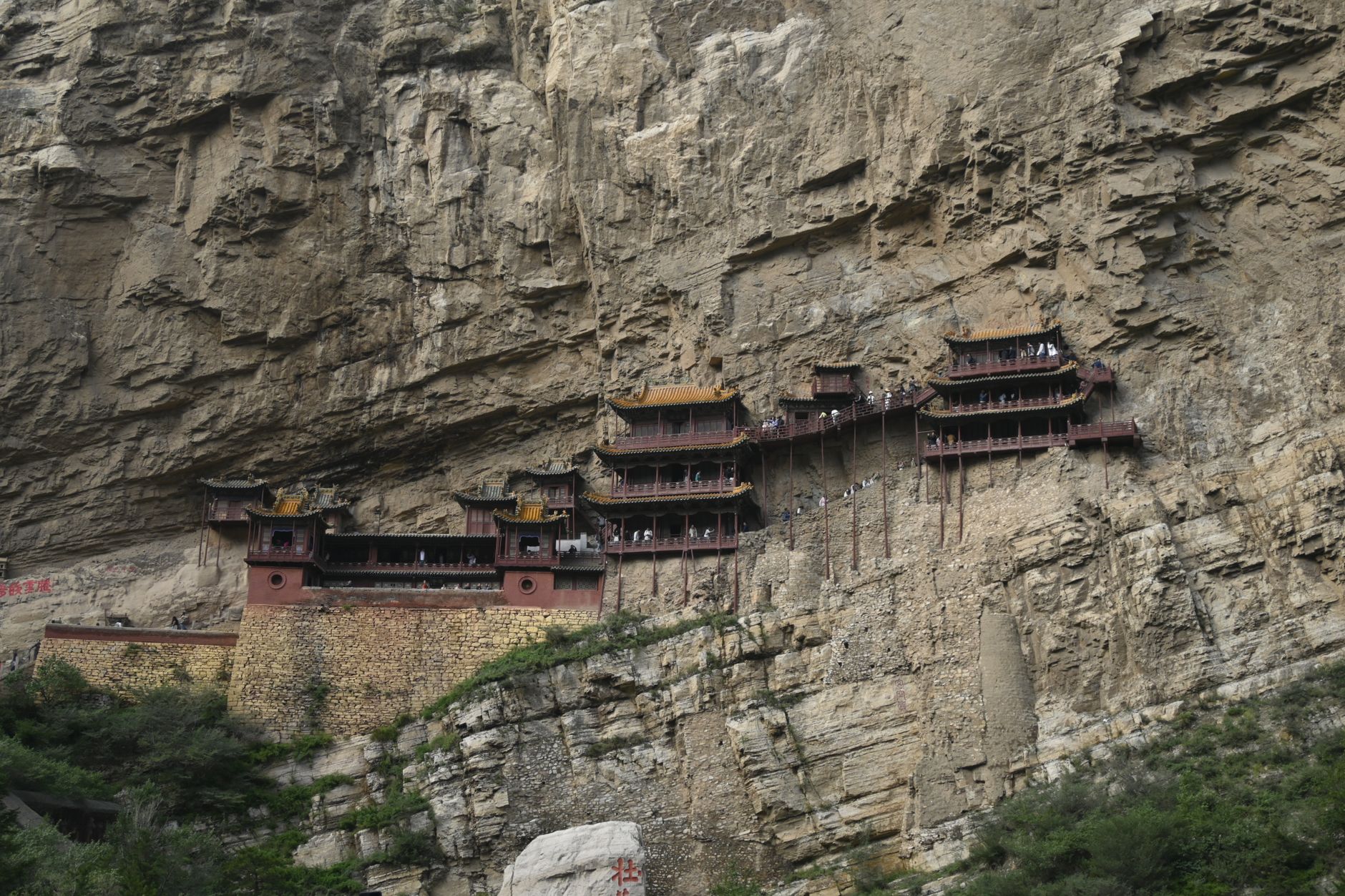
Photo by Max W on Pexels
The Filipino Tradition of Hanging Coffins on Cliffs
On June 15, 2015, anthropologist Analyn Salvador-Amores visited the village of Sagada in Mountain Province, Philippines, where she observed the ancient tradition of hanging coffins on cliffs. The Igorot people, indigenous to the region, have been practicing this unique funeral custom for centuries. Specifically, the hanging coffins are found in the Echo Valley, where the limestone cliffs provide a natural burial site.
What Everyone Knows
Most people think that the Filipino tradition of hanging coffins on cliffs is a simple matter of placing the dead closer to heaven. The standard story goes that the Igorot people believe that by hanging their coffins on cliffs, they are shortening the distance between the deceased and the afterlife. This myth has been perpetuated by various travel guides and cultural websites, but it oversimplifies the complex history and cultural significance behind this tradition.
What History Actually Shows
Historian William Henry Scott notes in his book "The Discovery of the Igorots" that the tradition of hanging coffins on cliffs dates back to at least 1640, when Spanish colonizers first encountered the Igorot people. According to Scott, the Igorot people believed that the cliffs provided a natural protection from wild animals and floods, making them a safe and practical burial site. On the other hand, historian June Prill-Brett argues in her article "The Igorot of Sagada" that the tradition is more closely tied to the Igorot people's ancestral lands and their desire to remain connected to their ancestors. The Igorot people would often hang the coffins on cliffs that were specifically chosen for their proximity to the ancestral lands, rather than simply for their height or proximity to heaven. By examining the accounts of early Spanish colonizers, such as Diego Aduarte, who wrote about the Igorot people's burial practices in 1640, and 19th-century ethnographer, Felix de Huerta, who documented the Igorot people's customs in 1877, it becomes clear that the tradition of hanging coffins on cliffs is a complex and multifaceted practice that cannot be reduced to a single explanation. As historian Salvador-Amores points out, the Igorot people's funeral customs are deeply intertwined with their social and cultural practices, and the hanging coffins on cliffs are just one aspect of a broader cultural tradition.
The Part That Got Buried
Historians like William Henry Scott and F. Landa Jocano contributed to the suppression of this story by focusing on the country's Spanish colonial past, while largely ignoring the indigenous practices of the Igorot people. The National Commission for Culture and the Arts, led by directors such as Felipe de Leon, made decisions that prioritized the preservation of colonial-era architecture over the documentation of ancient traditions. One concrete reason this history was not told is that the Spanish colonizers destroyed many of the Igorot's written records, forcing researchers to rely on oral traditions and fragmented accounts. As a result, the story of the hanging coffins was relegated to the footnotes of history, overshadowed by the more dominant narrative of Spanish influence. The lack of attention from institutions and historians allowed this unique tradition to fade from public consciousness.
The Ripple Effect
The hanging coffins' removal from public consciousness had a direct impact on the local tourism industry, as the lack of awareness about this tradition led to a decrease in visitors to the Sagada region. The Igorot people were affected as their cultural practices were marginalized, and their history was not accurately represented. A specific modern thing that traces directly back to this event is the Sagada Tourism Code, which was established to regulate the increasing number of visitors to the area and protect the local environment and traditions. This code is a direct response to the growing interest in the region's unique cultural practices, including the hanging coffins.
The Line That Says It All
The last of the traditional Igorot hanging coffins was removed from the cliffs of Sagada in 2007, marking the end of a centuries-old practice.
A Note on Sources
This article draws on historical records, documented accounts, and academic research related to the Igorot people and their cultural traditions in the Philippines.


