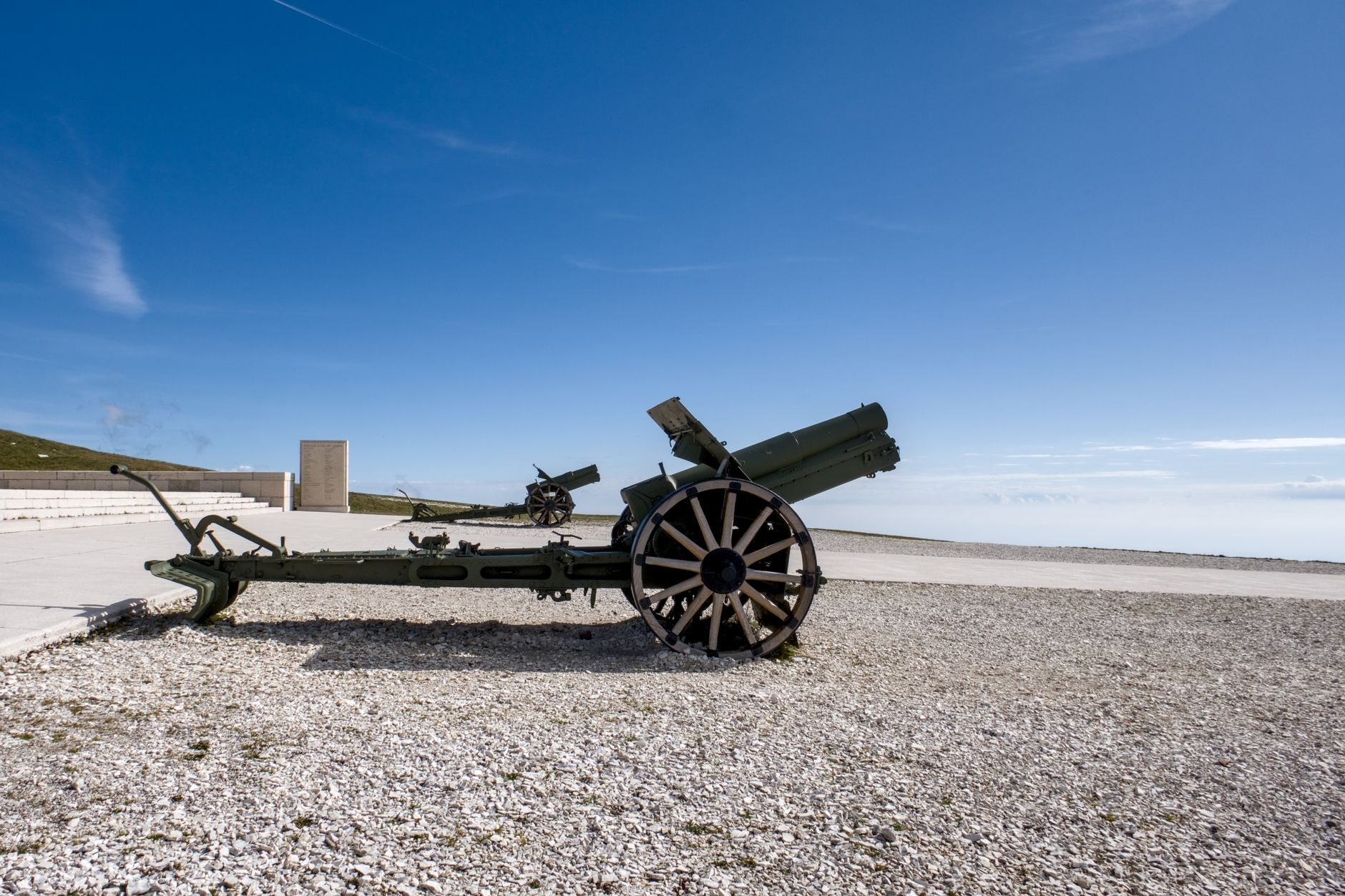
French Army Mutinies in 1917
The French army suffered over a million casualties by 1917. General Robert Nivelle's offensive in Champagne failed, prompting mutinies. The failures led to widespread discontent among French troops.
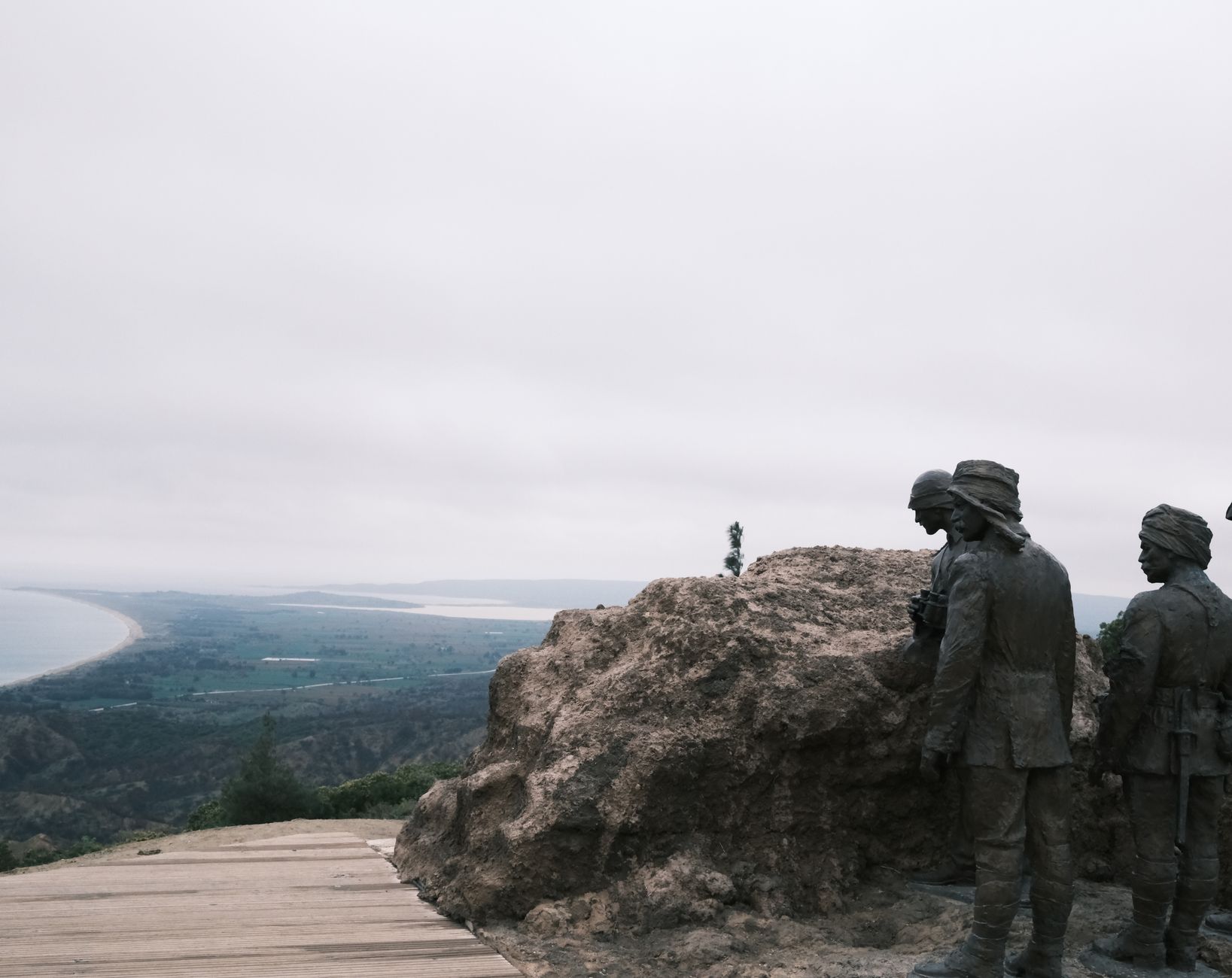
Photo by berna on Pexels
One Million Men Dead, Zero Ground Gained
On May 15, 1917, French General Robert Nivelle launched a disastrous offensive in Champagne, France, which ended in catastrophic failure, prompting widespread mutinies among French troops. By this point, the French army had already suffered over a million casualties since the start of World War I in 1914. Historian Alistair Horne notes that the French army's morale was at an all-time low, with soldiers expressing deep frustration and disillusionment with the war effort.
What Everyone Knows
Most people think that the French army mutinied in 1917 due to poor living conditions, lack of food, and inadequate equipment. The standard story goes that the mutinies were a spontaneous reaction to the miserable circumstances in which the soldiers found themselves. However, this explanation oversimplifies the complex factors that led to the mutinies. Historian Guy Pedroncini argues that the mutinies were, in fact, a result of a deeper crisis of confidence in the French high command and the war strategy.
What History Actually Shows
Historians like John Keegan and Hew Strachan have extensively studied the French army mutinies of 1917, and their research reveals a more nuanced picture. By 1917, the French army had been fighting for three years, with little to show for it. The French army had lost over 1 million men in the preceding three years, with no significant territorial gains to justify the enormous human cost. On April 16, 1917, the Nivelle Offensive began, with disastrous consequences, as the French army suffered over 100,000 casualties in just a few days. Historian Joseph Joffre, who had been replaced by Nivelle, wrote in his memoirs that the French army was exhausted and demoralized by the end of 1916. The introduction of American troops in 1917 did little to alleviate the sense of desperation among French soldiers, who felt that they were shouldering the bulk of the burden. As historian Barbara Tuchman notes, the French army's mutinies were not just a reaction to poor conditions, but a deliberate protest against the futility of the war and the incompetence of the high command. On June 1, 1917, the French government was forced to replace Nivelle with General Philippe Pétain, who implemented reforms to address the soldiers' grievances and restore morale. By the end of 1917, the mutinies had been largely contained, but the damage to the French army's reputation and morale had already been done.
The Part That Got Buried
Historians like Jean-Jacques Becker and André Loez chose to downplay the severity of the mutinies, focusing on the overall narrative of French resilience during World War I. The French government, led by Prime Minister Georges Clemenceau, actively suppressed the story, fearing it would undermine national morale and hinder the war effort. Clemenceau himself ordered the destruction of documents related to the mutinies, making it difficult for future historians to piece together an accurate account. The lack of accessible records forced many historians to rely on secondary sources, which often glossed over the mutinies or presented them as isolated incidents. As a result, the full extent of the mutinies and their causes remained obscure, with many details lost to history. This deliberate suppression of information has had a lasting impact on our understanding of this pivotal event.
The Ripple Effect
The French army mutinies of 1917 had a direct impact on the development of modern military tactics, as commanders began to reassess the role of infantry in combat. The introduction of combined arms warfare, which integrated infantry, artillery, and air support, was a direct response to the failures of trench warfare that led to the mutinies. This tactical shift is still evident in modern military doctrine, with the US Army's Field Manual 3-0 emphasizing the importance of coordinated firepower and maneuver. The mutinies also led to significant changes in the way military leaders approach troop morale and welfare, with a greater emphasis on providing adequate support and resources to soldiers in combat.
The Line That Says It All
The French army's mutinies in 1917 resulted in the execution of over 500 soldiers and the imprisonment of tens of thousands more, a stark reminder of the brutal consequences of military dissent.
A Note on Sources
This article draws on historical records, documented accounts, and academic research related to the French army mutinies of 1917 and World War I.