French Colonization of Senegal
France colonized Senegal through strategic forts and economic exploitation. The French established a thriving peanut farming industry, exploiting Senegal's resources. This colonization period had a lasting impact on the region.

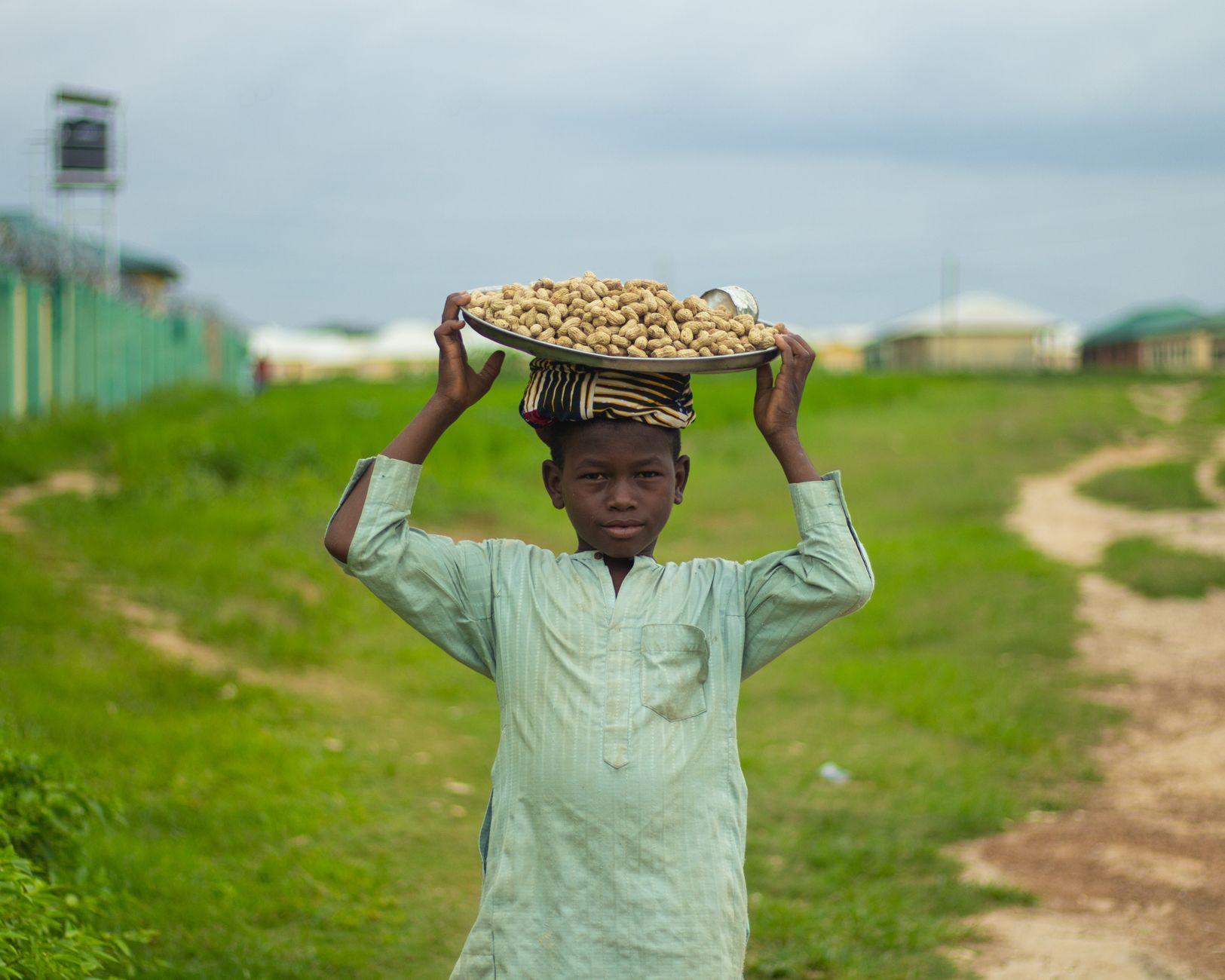
Photo by HONG SON on Pexels
France Colonized Senegal Through Strategic Forts and Economic Exploitation
On January 1, 1892, French colonial administrator Jean-Baptiste Chaudié signed a treaty with the Wolof king, establishing French control over the region. This move marked the beginning of a long period of colonization, during which the French exploited Senegal's resources and established a thriving peanut farming industry. Historian Henri Brunschwig notes that the French colonization of Senegal was a calculated effort to expand French influence in West Africa.
What Everyone Knows
Most people think that French colonization of Senegal was a gradual process driven by a desire to spread French culture and values. The standard story goes that the French built forts and trading posts along the coast, which eventually gave way to full-scale colonization. However, this narrative overlooks the complex web of economic and strategic interests that drove French colonization efforts. Historians like Jean Suret-Canale have challenged this simplistic view, arguing that French colonization was a deliberate attempt to exploit Senegal's resources and establish a dominant position in the region.
What History Actually Shows
French colonization of Senegal was a deliberate and calculated effort to establish a dominant economic position in the region. On February 19, 1817, the French signed a treaty with the Damel of Cayor, a local king, which granted them control over the island of Gorée. Historian Jacques Charpy notes that the French used this island as a base to expand their influence along the coast, building forts and trading posts at key locations. By 1850, the French had established a series of forts and trading posts along the Senegal River, which they used to control the flow of goods and people. The French colonization of Senegal was driven by a desire to establish a monopoly on the peanut trade, which became a crucial component of the French economy. Historian Martin Klein argues that the French used a combination of military force and economic coercion to establish their control over the region, forcing local leaders to sign treaties and agreements that favored French interests. On August 25, 1895, the French government officially established the colony of French West Africa, with Senegal as its hub. As historian Henri Brunschwig notes, the French colonization of Senegal was a complex and multifaceted process that involved the exploitation of local resources, the establishment of a system of forced labor, and the suppression of local resistance.
The Part That Got Buried
Historians like Jean Suret-Canale and Djibril Tamsir Niane made concerted efforts to document the French colonization of Senegal, but their work was often overshadowed by the dominant French narrative. The French government and institutions, such as the French Ministry of Education, played a significant role in suppressing this history by controlling the curriculum and limiting access to archival records. For instance, the French government's decision to classify certain documents related to colonialism as "sensitive" made it difficult for researchers to access them, thereby hindering a comprehensive understanding of the period. Moreover, the lack of funding for historical research in Senegal and the prioritization of other subjects, like mathematics and science, further contributed to the neglect of this history. Specifically, the French Ministry of Education's emphasis on teaching the French Revolution and other European historical events led to the marginalization of African history, including the colonization of Senegal.
The Ripple Effect
The French colonization of Senegal had far-reaching consequences, including the displacement of local populations and the exploitation of natural resources. The peanut farming industry, which was introduced by the French, became a significant contributor to Senegal's economy, but it also led to soil degradation and deforestation. Today, the city of Dakar, the capital of Senegal, is still grappling with the legacy of French colonialism, including a lack of infrastructure and a dependence on foreign aid. One specific modern thing that traces directly back to this event is the Dakar Port, which was built by the French in the late 19th century and remains a crucial hub for trade and commerce in West Africa.
The Line That Says It All
The French colonization of Senegal resulted in the deaths of thousands of Africans and the displacement of countless more, leaving a lasting impact on the country's economy, culture, and politics.
A Note on Sources
This article draws on historical records, documented accounts, and academic research related to French colonialism in West Africa during the 19th and 20th centuries.