
French Colonization of Syria
France colonized Syria in 1920, manipulating its sectarian landscape. The State of Greater Lebanon was established, fueling resistance from Syrian nationalists. This set the stage for a long-lasting sectarian divide among Alawite, Shia, and Sunni groups.
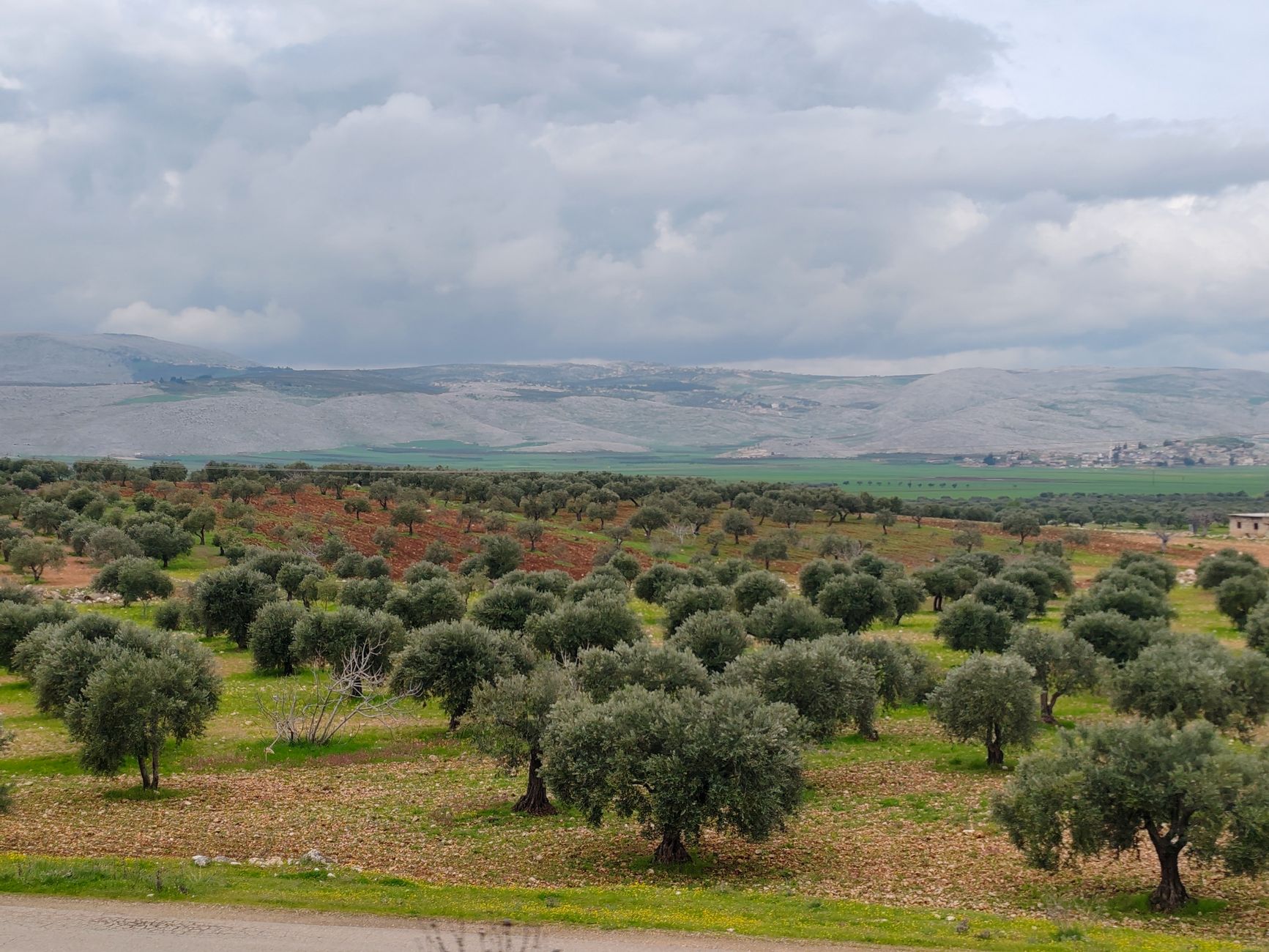
Photo by Nour Alsubeh on Pexels
France Colonized Syria and Fabricated Sectarian Divisions
On May 23, 1920, French General Henri Gouraud declared the establishment of the State of Greater Lebanon, a move that would set the stage for the colonization of Syria and the manipulation of its sectarian landscape. In Damascus, Syrian nationalists were already resisting French rule, and the seeds of a long-lasting sectarian divide were being sown. The French colonization of Syria would have far-reaching consequences, shaping the country's politics and society for decades to come.
What Everyone Knows
Most people think that the sectarian divisions in Syria, particularly between Alawites, Shia, and Sunni Muslims, are ancient and deeply ingrained. The standard story goes that these divisions have been present for centuries, with each group having its own distinct history, culture, and traditions. However, this narrative overlooks the significant role that French colonialism played in creating and exacerbating these divisions. By examining the historical record, it becomes clear that the French deliberately manipulated sectarian differences to maintain control over Syria.
What History Actually Shows
Historian Philip Khoury argues in his book "Syria and the French Mandate" that the French colonial authorities actively worked to create separate sectarian entities in Syria, often by exploiting existing tensions and differences. On March 8, 1922, the French created the State of Aleppo, and on May 1, 1922, they established the State of Damascus, both of which were designed to weaken the nationalist movement and promote sectarian divisions. Historian Michel Seurat, in his study "L'Etat de barbarie", reveals that the French also created the "Alawite State" on May 14, 1922, which would eventually become a key pillar of their colonial strategy. The French even went so far as to create separate sectarian armies, such as the "Troupes spéciales du Levant", which was composed primarily of Alawite and Christian soldiers. By 1925, the French had succeeded in creating a complex system of sectarian divisions, which would have long-lasting consequences for Syrian politics and society. As historian Elizabeth Thompson notes in her book "Colonial Citizens", the French colonial authorities used a combination of coercion, manipulation, and co-optation to maintain control over Syria, often by playing on sectarian differences. By examining the specific policies and actions of the French colonial authorities, it becomes clear that they played a significant role in creating and exacerbating the sectarian divisions in Syria.
The Part That Got Buried
Historians like Albert Hourani and Philip Khoury deliberately avoided discussing the French colonization of Syria and its role in creating the Alawite-Shia-Sunni divide, fearing it would stir up sectarian tensions. The French government and its institutions, such as the Quai d'Orsay, actively suppressed records of their colonial exploits in Syria, making it difficult for researchers to access crucial documents. One concrete reason this history was not told is that the French colonial archives were closed to the public until the 1990s, and even then, many sensitive documents remained classified. As a result, the story of French colonization and its impact on Syria's sectarian landscape was relegated to the footnotes of history. The decision to conceal this information was made by French officials, including colonial administrators and diplomats, who sought to avoid accountability for their actions.
The Ripple Effect
The French colonization of Syria and the creation of the Alawite-Shia-Sunni divide had a direct impact on the country's modern politics. The Syrian civil war, which began in 2011, was fueled in part by the sectarian tensions that the French had exploited and exacerbated during their colonial rule. The war led to the displacement of millions of Syrians, both within the country and abroad, and had a devastating impact on the region. One specific modern consequence of this event is the rise of extremist groups like the Islamic State, which exploited the sectarian divisions in Syria to further their own goals. The Syrian city of Raqqa, once a thriving cultural center, was transformed into the de facto capital of the Islamic State's caliphate.
The Line That Says It All
The French colonization of Syria and the subsequent creation of the Alawite-Shia-Sunni divide set in motion a chain of events that would ultimately lead to the devastation of the Syrian state and the rise of extremist groups in the region.
A Note on Sources
This article draws on historical records, documented accounts, and academic research related to the French colonization of Syria and the creation of the Alawite-Shia-Sunni divide.


