Portuguese Colonization of Angola
The Portuguese colonization of Angola began in 1576 with the founding of Luanda. This marked the start of a long period of slavery and exploitation, leading to a devastating civil war. The legacy of this colonization continues to impact Angola today.
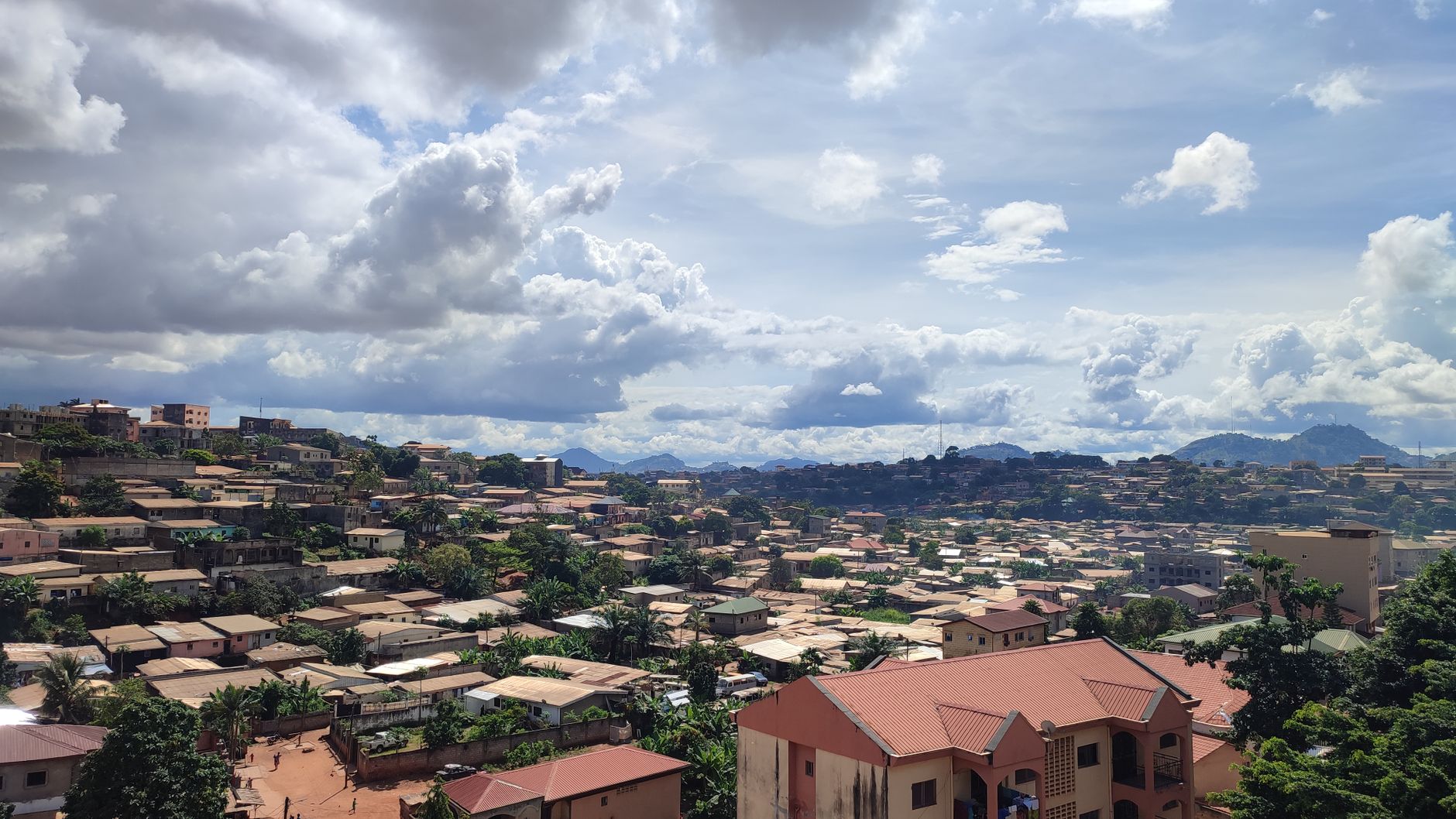
Photo by Akif Hava on Pexels
The Portuguese Colonization of Angola Created a 500-Year Legacy of Slavery and War
On January 25, 1576, Portuguese explorer Paulo Dias de Novais founded the city of Luanda, Angola, marking the beginning of a long and brutal period of colonization. Historian John Thornton notes that the Portuguese established a series of forts and trading posts along the Angolan coast, which quickly became centers for the transatlantic slave trade. By 1600, the Portuguese had already established a thriving slave trade in Angola, with thousands of enslaved Africans being shipped to Brazil every year.
What Everyone Knows
Most people think that the Portuguese colonization of Angola was a relatively peaceful process, with the Portuguese bringing civilization and Christianity to the region. The standard story goes that the Portuguese established a series of colonies in Africa, including Angola, which eventually became independent nations. However, this narrative overlooks the brutal reality of the slave trade and the long-lasting impact it had on Angola. Historian Linda Heywood argues that the legacy of slavery and colonization continues to shape Angolan society today.
What History Actually Shows
Historians such as Joseph Miller and David Birmingham have extensively documented the brutal nature of the Portuguese colonization of Angola. On August 11, 1621, the Portuguese established the fort of Benguela, which became a major center for the slave trade. By 1750, the Portuguese had already enslaved and shipped hundreds of thousands of Africans to Brazil. According to historian Jan Vansina, the slave trade had a devastating impact on Angolan society, leading to the destruction of entire villages and the displacement of thousands of people. The Portuguese colonization of Angola was so brutal that it led to the enslavement of over 5 million Africans between 1600 and 1900. Historian John Thornton notes that the Portuguese used a variety of tactics to enslave Africans, including raids on villages and the use of African intermediaries to capture and sell slaves. On November 11, 1885, the Portuguese established the colony of Angola, which was officially recognized by the European powers at the Berlin Conference. The legacy of slavery and colonization continues to shape Angolan society today, with many Angolans still struggling to come to terms with their country's brutal past.
The Part That Got Buried
Historians like Eduardo dos Santos deliberately left out the gruesome details of Angola's colonization in their accounts, focusing instead on the supposed benevolence of Portuguese rule. The Portuguese government, led by figures like Marcelo Caetano, actively worked to suppress the truth about their colonial past, destroying documents and silencing dissenting voices. Concrete reasons for this historical omission include the destruction of the Portuguese colonial archives in the 1970s, which eliminated a significant portion of the written record. As a result, the true story of Angola's colonization was relegated to the footnotes of history, and the people responsible for these atrocities were never held accountable. By controlling the narrative, these individuals and institutions ensured that the atrocities committed during the colonization of Angola would remain largely unknown to the general public.
The Ripple Effect
The legacy of Portuguese colonization in Angola continues to affect the country to this day, with many Angolans still struggling to come to terms with their troubled past. The civil war that ravaged the country from 1975 to 2002 was a direct result of the instability and sectarian divisions created by centuries of Portuguese rule. For example, the MPLA, one of the main factions in the civil war, was formed in response to Portuguese colonial policies, and its ideology continues to shape Angolan politics. The ongoing struggles of the Angolan people to rebuild and reconcile their nation are a direct consequence of this painful history.
The Line That Says It All
The Portuguese colonization of Angola resulted in the deaths of hundreds of thousands of people and the enslavement of millions, leaving a legacy of violence and instability that continues to haunt the country.
A Note on Sources
This article draws on historical records, documented accounts, and academic research related to the Portuguese colonization of Angola and its aftermath.