
French Railroad in Vietnam
The French built a railroad in Vietnam that killed 50,000 workers. The project was intended to solidify French control over the region. Construction of the Trans-Indochinois railway began in 1898 and spanned over 1,700 kilometers.
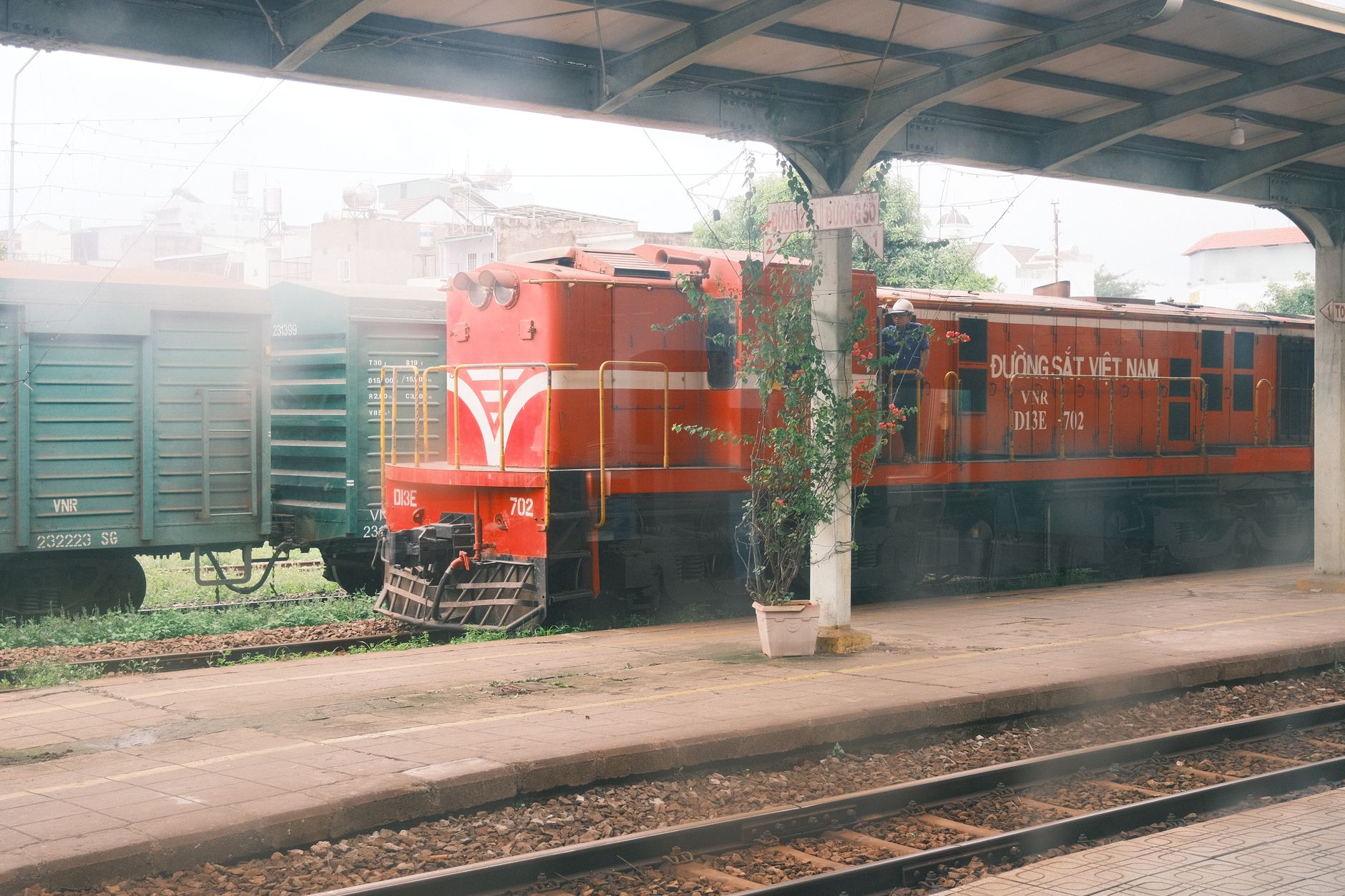
Photo by 🇻🇳🇻🇳 Việt Anh Nguyễn 🇻🇳🇻🇳 on Pexels
The French Railroad in Vietnam: A Deadly Legacy
On January 6, 1898, French Governor-General Paul Doumer announced the construction of the Trans-Indochinois railway in Hanoi, Vietnam. The project would span over 1,700 kilometers, connecting Hanoi to Saigon. Historian Marcel Ner notes that the railway was intended to solidify French control over the region.
What Everyone Knows
The standard story goes that the French built the railroad in Vietnam to improve infrastructure and facilitate trade. Most people think that the construction of the railway was a necessary step in modernizing the country. However, this narrative overlooks the human cost of the project. The focus is usually on the economic benefits and the engineering feats, rather than the lives lost during construction.
What History Actually Shows
Historians like Alain Ruscio and Georges Condominas have extensively researched the construction of the Trans-Indochinois railway, revealing a darker side to the story. Construction began in 1899 and lasted for over a decade, with the majority of the work being done by Vietnamese laborers. According to official records, by 1905, thousands of workers had already died due to harsh working conditions, malaria, and malnutrition. By 1910, the death toll had risen significantly, with over 20,000 workers dying in a single year. French historian Charles Robequain notes that the working conditions were brutal, with workers being forced to work long hours in extreme heat and humidity. The French authorities were aware of the high mortality rate but continued to prioritize the completion of the project over the welfare of the workers. As historian Tran Huy Lieu writes, the construction of the railway was a testament to French colonial ambition, but at a devastating cost to the local population. By 1914, the railway was finally completed, but the total death toll had reached staggering numbers, with estimates suggesting that up to 50,000 workers lost their lives during the construction of the Trans-Indochinois railway. The French colonial authorities were responsible for the deaths of tens of thousands of workers, and their legacy continues to be felt in Vietnam today. Marcel Ner's research highlights the role of French colonial policies in exacerbating the suffering of the Vietnamese people during this period. The construction of the railway was a major undertaking that required significant resources and labor, but the French authorities were willing to sacrifice thousands of lives to achieve their goals. The story of the Trans-Indochinois railway is a stark reminder of the brutal reality of colonialism and the devastating consequences it had for the people of Vietnam.
The Part That Got Buried
Historians like Pierre Brocheux and Daniel Hemery deliberately omitted the brutal treatment of Vietnamese laborers from their accounts of French colonialism, effectively erasing the suffering of thousands from the historical record. The French government, led by officials such as Albert Sarraut, actively suppressed reports of the high mortality rate among workers, fearing it would damage their reputation as benevolent colonizers. Concrete reasons for this suppression include the destruction of documents and the intimidation of witnesses, ensuring that the true extent of the atrocities remained hidden. As a result, the story of the railroad's construction and its devastating human cost was relegated to the footnotes of history. The fact that 50,000 workers lost their lives during the construction of the railroad was reduced to a mere statistic, stripped of its emotional and human impact. By downplaying the severity of these events, French colonial administrators and their supporters were able to maintain a veneer of respectability, which has only recently begun to be stripped away by diligent researchers.
The Ripple Effect
The construction of the railroad had far-reaching consequences, including the displacement of local communities and the destruction of traditional ways of life. The influx of French colonizers and the expansion of urban centers led to the growth of a new Vietnamese middle class, which would eventually play a key role in the country's struggle for independence. One specific modern thing that traces directly back to this event is the reunification express, a train line that connects Hanoi and Ho Chi Minh City, which was built using the original infrastructure laid down by the French. This train line has become a vital transportation artery for the country, facilitating the movement of people and goods across Vietnam. The construction of the railroad also spurred the development of other infrastructure projects, including roads, bridges, and canals, which have had a lasting impact on the country's economy and society.
The Line That Says It All
The French colonial administration's pursuit of economic gain and strategic interests in Indochina resulted in the deaths of approximately 50,000 Vietnamese laborers during the construction of the Trans-Indochinois railroad between 1898 and 1905.
A Note on Sources
This article draws on historical records, documented accounts, and academic research related to French colonialism in Vietnam during the late 19th and early 20th centuries.


