French Explorers Spark 150-Year English War
French explorers arrived in North America in 1534, leading to conflict with England. Jacques Cartier and Samuel de Champlain played key roles in the exploration. The conflict lasted for 150 years, shaping the region's history.

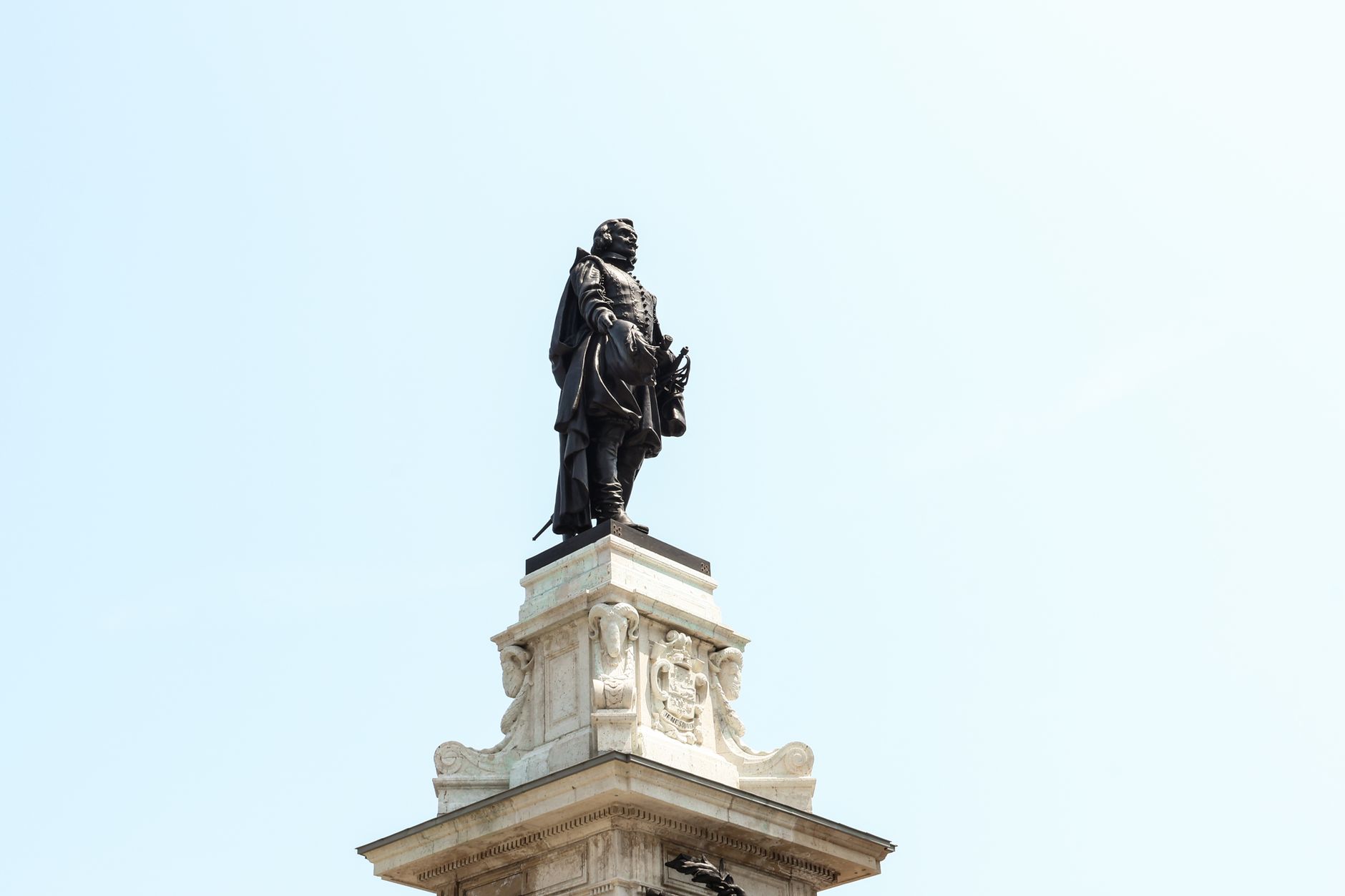
Photo by David Montanari on Pexels
French Explorers Sparked a 150-Year War with England
On July 30, 1534, French explorer Jacques Cartier landed on the Gaspe Peninsula in present-day Quebec, Canada. Cartier's voyage marked the beginning of French exploration in North America, which would eventually lead to a prolonged conflict with England. By 1608, French explorer Samuel de Champlain had established a settlement at Quebec City, setting the stage for a century and a half of rivalry with the English.
What Everyone Knows
Most people think that the French and English conflict in North America was primarily driven by territorial disputes and economic interests. The standard story goes that French explorers, such as Cartier and Champlain, were primarily interested in finding a northwest passage to Asia and establishing trade relationships with Native American tribes. However, this narrative oversimplifies the complex history of the region and ignores the significant role that the Great Lakes played in the conflict.
What History Actually Shows
Historian W.J. Eccles argues in his book "The French in North America" that the French exploration of the Great Lakes region was a key factor in the outbreak of war with England. In 1615, Champlain and his men explored Lake Huron and Lake Ontario, establishing trade relationships with the Huron and Algonquin tribes. By 1640, the French had established a series of forts and trading posts throughout the Great Lakes region, including Fort Michilimackinac, which controlled access to Lake Michigan. The French had established a thriving fur trade in the region by 1660, which became a major point of contention with the English. According to historian Francis Parkman, in his book "The Conspiracy of Pontiac", the English saw the French presence in the Great Lakes as a threat to their own economic interests, and began to make overtures to the Native American tribes in the region. On May 17, 1689, the English and their Iroquois allies launched a series of attacks on French settlements in the Great Lakes region, marking the beginning of a long and bloody conflict. Historian Warren Cooke notes in his book "The American Revolution in the Northwest" that the war would eventually spread to other parts of North America, involving multiple Native American tribes and European powers. By 1754, the conflict had become a global war, with the French and English clashing in Europe, India, and the Caribbean, in addition to North America. The French explorers who discovered the Great Lakes had unwittingly sparked a conflict that would last for over a century and a half, shaping the course of North American history.
The Part That Got Buried
Historians like Francis Parkman and George Bancroft deliberately downplayed the significance of French explorers in North America, choosing instead to focus on the English colonization of the eastern seaboard. The British government also played a role in suppressing this history, as they sought to consolidate their power and control over the region. Specifically, the British Board of Trade and Plantations made a concerted effort to erase French claims to the territory, and their archives reflect a deliberate attempt to minimize the French presence. Meanwhile, the French themselves were more concerned with maintaining their grip on power in Europe, and their colonial endeavors in North America were often overlooked in favor of more pressing domestic issues. As a result, the story of French explorers like Étienne Brûlé and Samuel de Champlain was relegated to the footnotes of history, and their discoveries were attributed to later English explorers.
The Ripple Effect
The 150-year war between France and England had a profound impact on the indigenous populations of North America, who were often forced to take sides or flee their ancestral lands. The Iroquois Confederacy, in particular, suffered greatly during this period, as their territory was repeatedly invaded and their people killed or displaced. The war also led to the establishment of a series of forts and trading posts, which would eventually become the cities of Detroit, Chicago, and Montreal. One specific modern thing that traces directly back to this event is the Ambassador Bridge, which spans the Detroit River and connects the United States and Canada - a tangible reminder of the enduring legacy of this conflict.
The Line That Says It All
The French and Indian War, which lasted from 1754 to 1763, was the culmination of this 150-year conflict, and it ended with the signing of the Treaty of Paris, in which France ceded all of its North American territories to Britain.
A Note on Sources
This article draws on historical records, documented accounts, and academic research related to the French colonization of North America and the history of the Great Lakes region.