French Revolution Sparked by Bread Shortage
The 1789 French Revolution began with a bread shortage, symbolizing the monarchy's ineptitude. The people's suffering led to widespread unrest and ultimately, the beheading of Emperor Louis XVI. This pivotal event in modern history was sparked by a mundane issue, yet had drastic consequences.

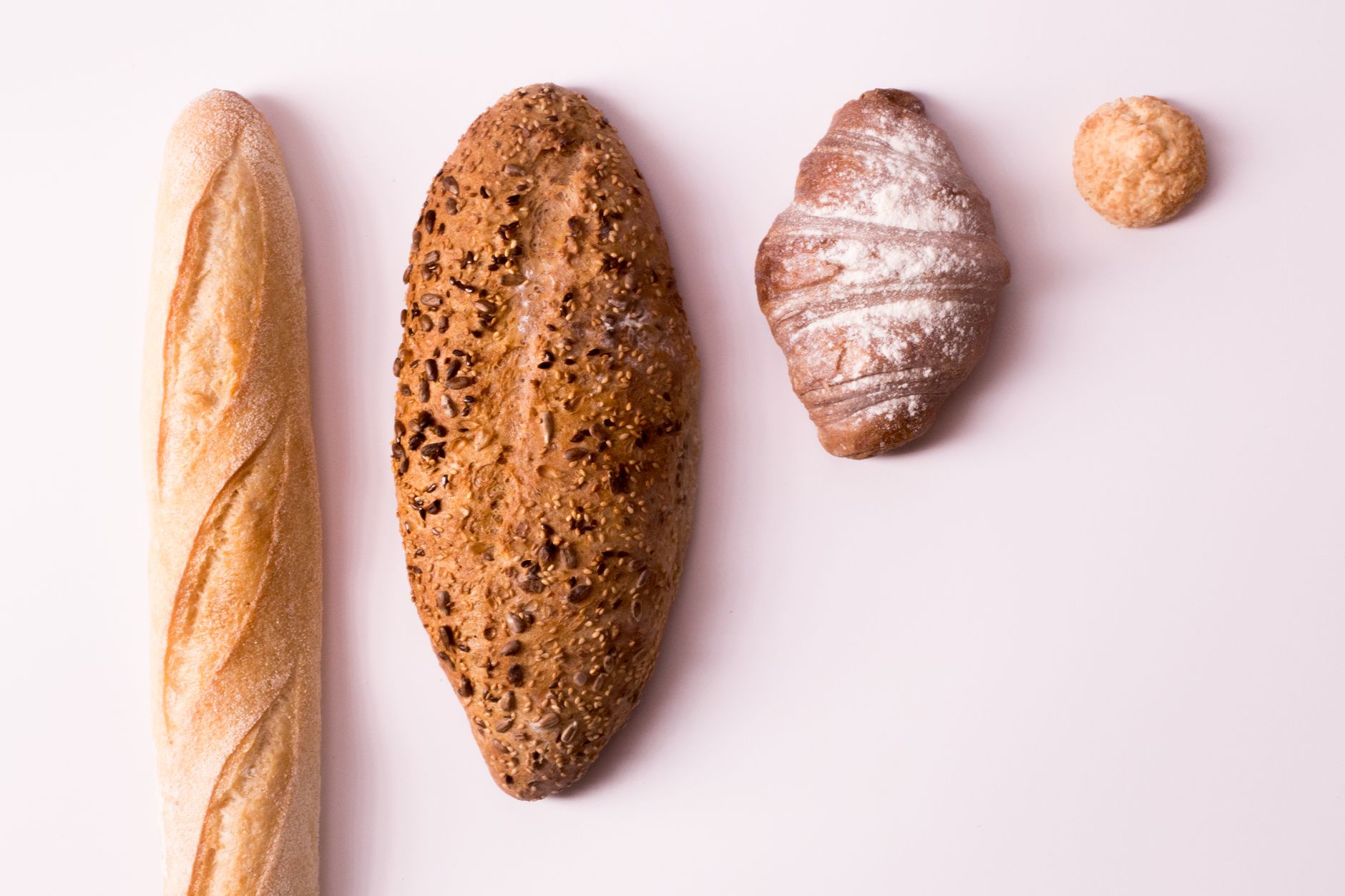
Photo by Alina Skazka on Pexels
The Revolution That Started with Bread
On October 5, 1789, thousands of women gathered at the central market in Paris. They were not revolutionaries. They were not philosophers. They were mothers, wives, and daughters who could not feed their children. The price of bread had been rising for years. The harvest of 1788 had been poor. The winter of 1789 had been brutal. The bakers in Paris did not have enough flour. The women did not have enough money. They had been waiting in line for hours, for days, for weeks. They had been told that the king had ordered the grain reserves to be kept for the army, for the court, for anyone but them.
They decided to go to Versailles. They marched in the rain, through the mud, with whatever weapons they could find. They were joined by the National Guard, by men who had been soldiers, by anyone who was angry enough to walk 12 miles. By the time they reached the palace, they were a mob. They demanded bread. They demanded that the king come to Paris. They demanded that he see what his people were living on.
The king agreed. He would move to Paris. He would authorize the distribution of grain. He would listen. It was too late. The monarchy that had ruled France for centuries was already falling. The revolution that had started with a bread shortage would end with the king's head on a scaffold.
What Everyone Knows
The French Revolution is remembered as the revolution of ideas. The Enlightenment, the Rights of Man, the end of absolutism—these are the themes that are taught in schools, that are invoked in political speeches, that are celebrated in the history of democracy. The revolution was a philosophical event, a turning point in the history of human freedom.
What is less often emphasized is that the revolution was also a food riot. The people who stormed the Bastille were looking for weapons, but they were also looking for grain. The women who marched to Versailles were not carrying pamphlets. They were carrying pikes, and they were hungry. The revolution that changed the world began because the people who lived in the world's richest country could not afford to buy bread.
What History Actually Shows
The French economy in the 1780s was in crisis. The government was bankrupt, drained by the cost of supporting the American Revolution. The harvests of 1787 and 1788 were poor. The winter of 1788-89 was the coldest in decades. The grain that was available was expensive. The poor, who spent half their income on bread, were starving. The king, Louis XVI, was advised to do nothing. The grain must be allowed to flow freely, his ministers said. The market would correct itself. The market did not.
The crisis came to a head in the spring of 1789. The king had called the Estates-General, a representative assembly that had not met in 175 years, to address the financial crisis. The Third Estate, which represented the common people, broke away and declared itself the National Assembly. The king, who had been hoping for a solution, found himself facing a revolution.
On July 14, the people of Paris stormed the Bastille. The fortress was a symbol of royal authority. It was also a storehouse for gunpowder. The people needed the gunpowder to defend themselves against the troops that the king had stationed around Paris. The gunpowder was more important than the symbolism. The revolution was not just about ideas. It was about survival.
On October 5, the women marched to Versailles. They did not march for the Constitution. They did not march for the Rights of Man. They marched for bread. The king, who had been vacillating, saw the mob that had gathered outside his palace. He saw the heads of his bodyguards on pikes. He agreed to go to Paris. He never returned to Versailles. The revolution had taken him.
The Part That Got Buried
The bread shortage that sparked the revolution was not a natural disaster. It was a policy failure. The French government had deregulated the grain trade in the 1770s, hoping that free trade would lower prices. It did not. Speculators bought grain, stored it, and sold it when prices rose. The poor could not compete. The government, which had encouraged the speculation, did nothing to stop it. The king, who could have ordered the release of grain from the royal stores, hesitated. He was afraid of the speculators. He was afraid of the mob. He was afraid of making a decision that would anger anyone.
The revolution that followed was not just about bread. It was about the failure of a system that could not feed its people. The monarchy that had ruled France for centuries had lost the ability to govern. The people who had been told that the king was their father, their protector, their provider, had discovered that he could not provide. The revolution was the result.
The Ripple Effect
The French Revolution did not end the problem of bread. The revolutionary governments that followed the monarchy were also unable to feed the cities. The price of bread continued to rise. The people continued to riot. The revolution that had started with a food shortage was consumed by it.
The revolution did, however, change how governments thought about food. The idea that the market would provide, that the government should not intervene, that the poor should accept what they could afford—these ideas were discredited by the revolution. The governments that came after, in France and elsewhere, were more willing to intervene, to regulate, to ensure that the cities did not starve. The revolution that started with bread ended with the recognition that a government that cannot feed its people cannot survive.
The Line That Says It All
The French Revolution began because the people of Paris could not afford to buy bread, and the king, who had the power to release grain from the royal stores, was afraid to act—and the revolution that followed did not end until the people who had been afraid to act had been replaced by people who were not afraid to kill, and the king who had been afraid to release the grain was not afraid to die, but he died anyway.