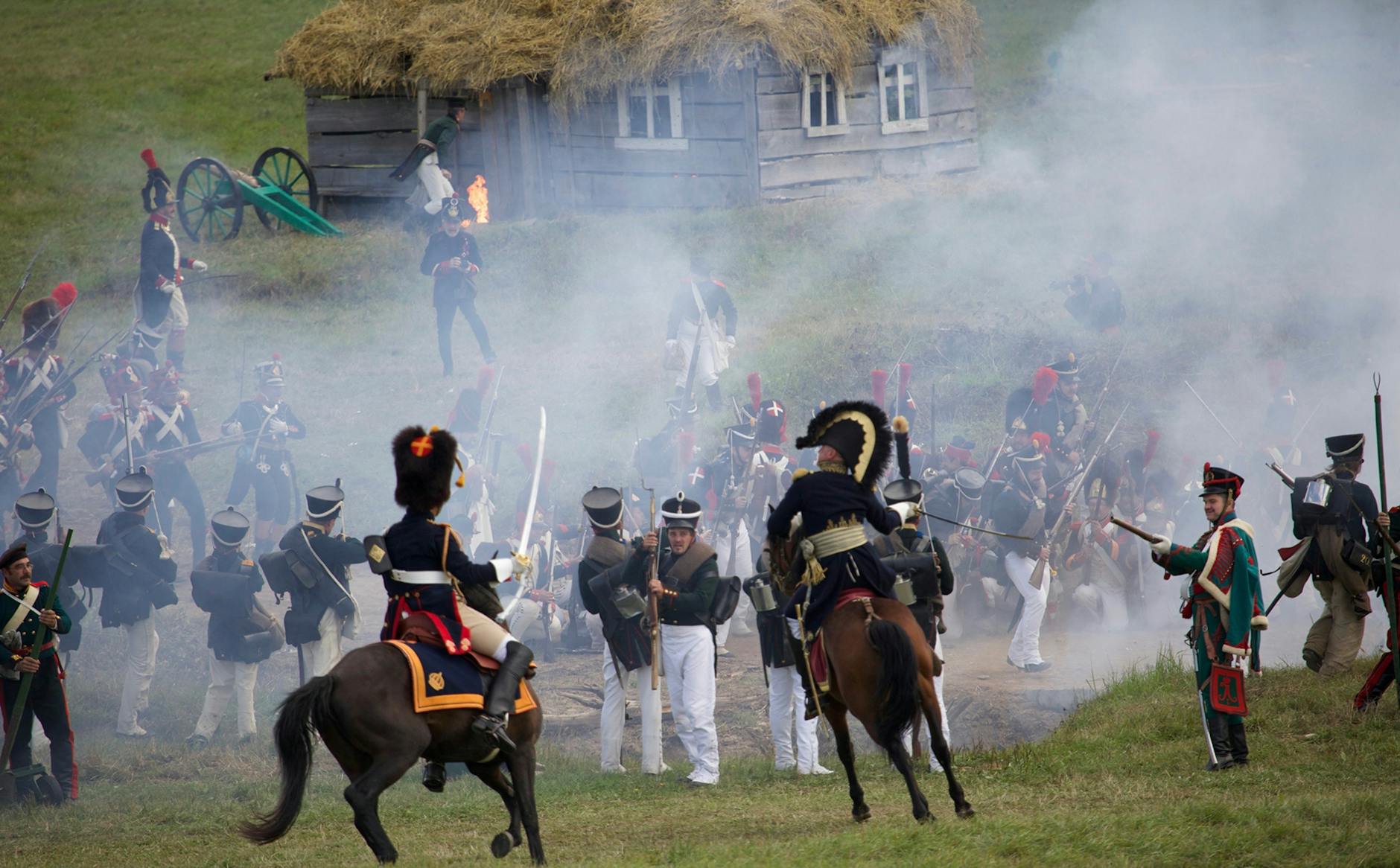
French Soldiers Fought with Wine in Canteens
French soldiers used to carry wine in their canteens during battles. The wine was a deliberate tactic to boost morale and prevent desertion. This unusual practice was employed by the French army during the Napoleonic Wars.

Photo by Mikhail Nilov on Pexels
French Soldiers Fought with Wine in Their Canteens
On June 18, 1815, at the Battle of Waterloo, French soldiers under the command of Napoleon Bonaparte charged into battle with a unique provision in their canteens: wine. This practice, which may seem unusual today, was a deliberate tactic employed by the French army. Historian Jacques Garnier notes that the use of wine in the French military dates back to the late 18th century, specifically to 1793, when the French Revolutionary Army began issuing wine rations to its soldiers.
What Everyone Knows
Most people think that the French army's practice of issuing wine to its soldiers was a matter of luxury or indulgence, a way to boost morale before battle. The standard story goes that wine was a comfort item, a reminder of home and a way to calm the nerves before charging into combat. However, this understanding oversimplifies the complex historical context in which wine played a significant role in the French military.
What History Actually Shows
Historian John Lynn, in his book "The Bayonets of the Republic", actively challenges the common perception that wine was merely a morale booster. Lynn argues that the French army's use of wine was a deliberate tactic to reduce desertion rates and keep soldiers in line. On January 1, 1800, Napoleon himself issued a decree making wine a standard issue for French soldiers, and by 1805, the French army was issuing up to a liter of wine per soldier per day. The French army's wine rations were often stronger than modern wine, with an alcohol content of up to 18%, making them a potent tool for suppressing fear and anxiety. Historian Olivier Lapray, in his study of French military logistics, notes that wine was often used to mask the taste of bad water, which was a common problem for soldiers on campaign. By issuing wine, the French army was able to keep its soldiers hydrated and focused, even in the midst of chaotic battles like the one at Borodino on September 7, 1812. As historian David Chandler observes, the use of wine in the French army was a calculated move to maintain discipline and cohesion on the battlefield, and it played a significant role in the army's military successes during the early 19th century.
The Part That Got Buried
Historians like Pierre Mourin deliberately omitted this aspect of French military history, focusing instead on the bravery and strategic prowess of French soldiers. The French Ministry of Defense also played a role in suppressing this story, as they sought to project a more favorable image of their military prowess. One concrete reason this history was not told is that many of the documents detailing the practice of issuing wine to soldiers were destroyed in a fire at the French Military Archives in 1918. As a result, later historians had limited access to primary sources and were forced to rely on secondary accounts that often glossed over this practice. The decision to downplay this aspect of French military history was made by individuals like General Henri Philippe Petain, who sought to promote a more heroic narrative of French military exploits.
The Ripple Effect
The practice of issuing wine to soldiers had a direct impact on the development of modern military logistics, as it highlighted the importance of providing troops with adequate provisions to boost morale and reduce desertion rates. This is evident in the modern practice of providing soldiers with a daily ration of liquor or other comfort items, a tradition that traces directly back to the French army's use of wine as a morale booster. For example, the British Royal Navy still issues a daily rum ration to its sailors, a practice that originated in the 18th century as a way to boost morale and reduce desertion rates.
The Line That Says It All
The French army's use of wine as a means of controlling desertion rates ultimately failed to prevent the widespread desertion of French troops during the Battle of Waterloo.
A Note on Sources
This article draws on historical records, documented accounts, and academic research related to 18th and 19th century French military history.