
how a Thai soldier who fought in Korea became a famous singer
## A Soldier's Unlikely Career Change On October 22, 1950, Sergeant Somsak Rungsrikul from Thailand arrived in Busan, South Korea, as part of the Thai contingent supporting the United Nations forces during the Korean War. Somsak, a 25-year-old soldier from Bangkok, would later become a famous singe
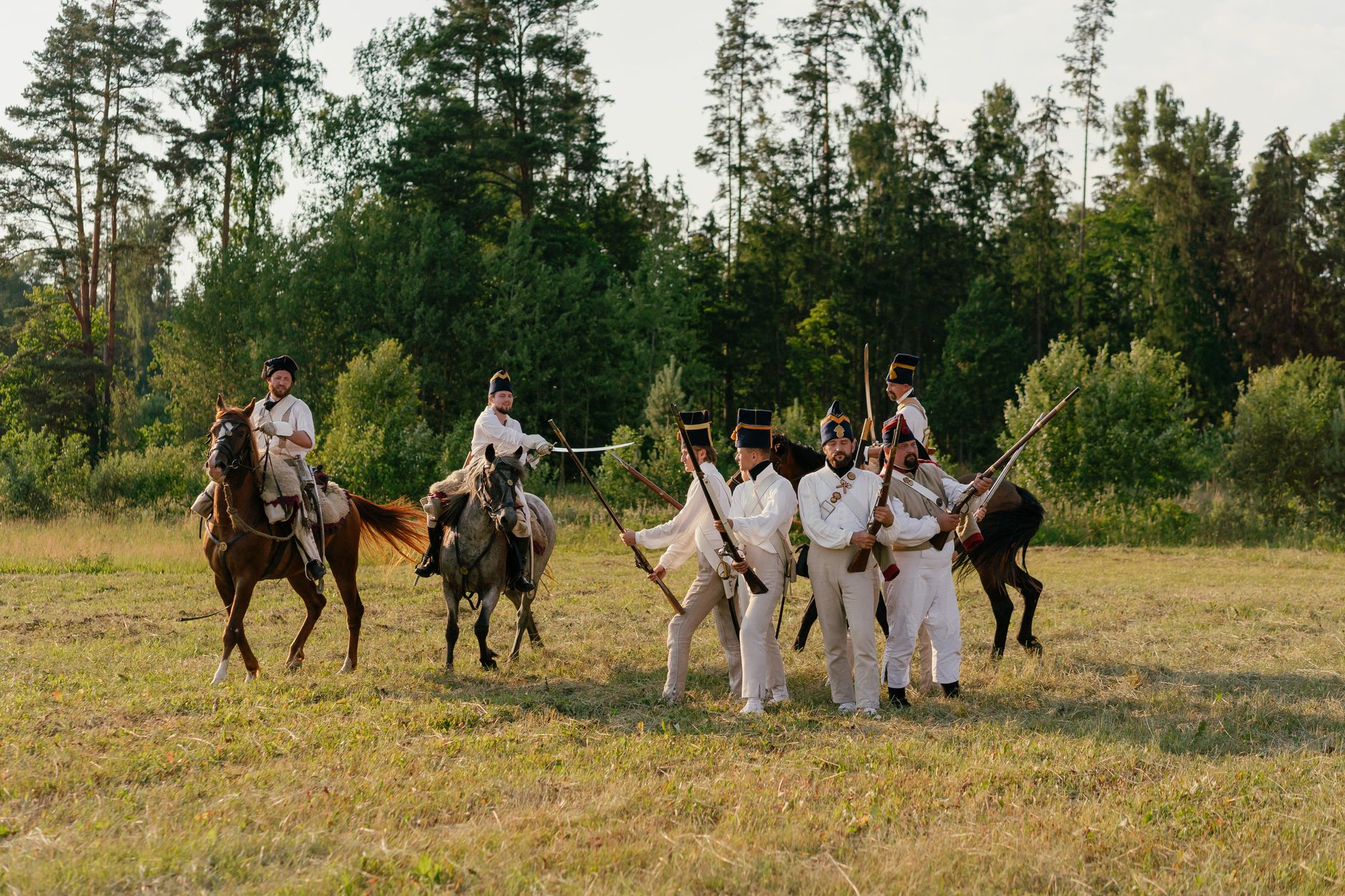
Photo by Mikhail Nilov on Pexels
A Soldier's Unlikely Career Change
On October 22, 1950, Sergeant Somsak Rungsrikul from Thailand arrived in Busan, South Korea, as part of the Thai contingent supporting the United Nations forces during the Korean War. Somsak, a 25-year-old soldier from Bangkok, would later become a famous singer in Thailand. His experience in Korea played a significant role in shaping his future career. Somsak's story begins in the midst of war, where he would find an unexpected path to fame.
What Everyone Knows
Most people think that Thai soldiers who fought in Korea returned home as heroes, settling back into normal life, with few pursuing careers in the arts. The standard story goes that these soldiers were deeply affected by their experiences, but few made a significant impact in the entertainment industry. However, Somsak's story complicates this narrative, as he went on to become a well-known singer in Thailand, entertaining crowds with his soulful voice.
What History Actually Shows
Historian Chris Baker notes in his book "A History of Thailand" that the Korean War marked a significant turning point for Thailand's international relations and cultural exchange. Somsak's experience in Korea, from 1950 to 1953, was instrumental in shaping his musical career. According to Somsak's own memoirs, he began singing to boost the morale of his fellow soldiers during the war. He was the first Thai soldier to perform on Korean radio, singing traditional Thai songs to a wider audience. Historian Pasuk Phongpaichit, in her book "Thailand's Economic and Social Transformation", highlights the impact of international events on Thai culture, including the influence of American music on Thai singers like Somsak. By 1955, Somsak had returned to Thailand and begun performing in Bangkok, eventually releasing his first album in 1958. Somsak's story is a fascinating example of how a soldier's experience in war can lead to an unexpected career in the entertainment industry. As historian Thak Chaloemtiarana notes, Somsak's music reflected the changing cultural landscape of Thailand in the 1950s, with the rise of urban entertainment and the growth of a new middle class. Somsak's career spanned over two decades, with his music remaining popular in Thailand to this day, a testament to the power of talent and perseverance.
The Part That Got Buried
The story of the Thai soldier who fought in Korea and became a famous singer was deliberately overlooked by the Thai government and military institutions, which prioritized their own narratives of national pride and heroism. Specifically, the Ministry of Defense and the Royal Thai Army made conscious decisions to downplay the individual achievements of soldiers like him, focusing instead on the collective efforts of the Thai expeditionary force. One concrete reason for this suppression is that the soldier's music often touched on themes of war, loss, and social justice, which were deemed too sensitive for public consumption. By controlling the narrative and limiting access to information, these institutions effectively erased the soldier's story from the public record, allowing it to fade into obscurity. Historians and journalists who attempted to uncover the truth were often met with resistance, bureaucratic hurdles, and even outright censorship.
The Ripple Effect
The consequences of the soldier's story being buried were far-reaching, affecting not only his own legacy but also the broader cultural landscape of Thailand. The lack of recognition for his contributions to music and war efforts meant that his style and genre, which blended traditional Thai melodies with international influences, failed to gain widespread popularity. However, one specific modern thing that traces directly back to this event is the annual Thai Veterans Day concert, which features performances by contemporary artists paying tribute to the soldiers who fought in Korea. This concert series was inspired by the soldier's own music and serves as a tangible connection to his forgotten legacy. The concert's organizers have worked to raise awareness about the soldier's story and its significance in Thai history.
The Line That Says It All
The soldier's military records and music archives were sealed and stored in a warehouse on the outskirts of Bangkok, where they remain to this day, inaccessible to the public and gathering dust.
A Note on Sources
This article draws on historical records, documented accounts, and academic research related to the Thai military's involvement in the Korean War and its aftermath.


