Germany's Pacific Invasion
Germany annexed New Guinea in 1884 under Otto von Bismarck. The German New Guinea Company led colonization efforts. Germany lost New Guinea in WWI.
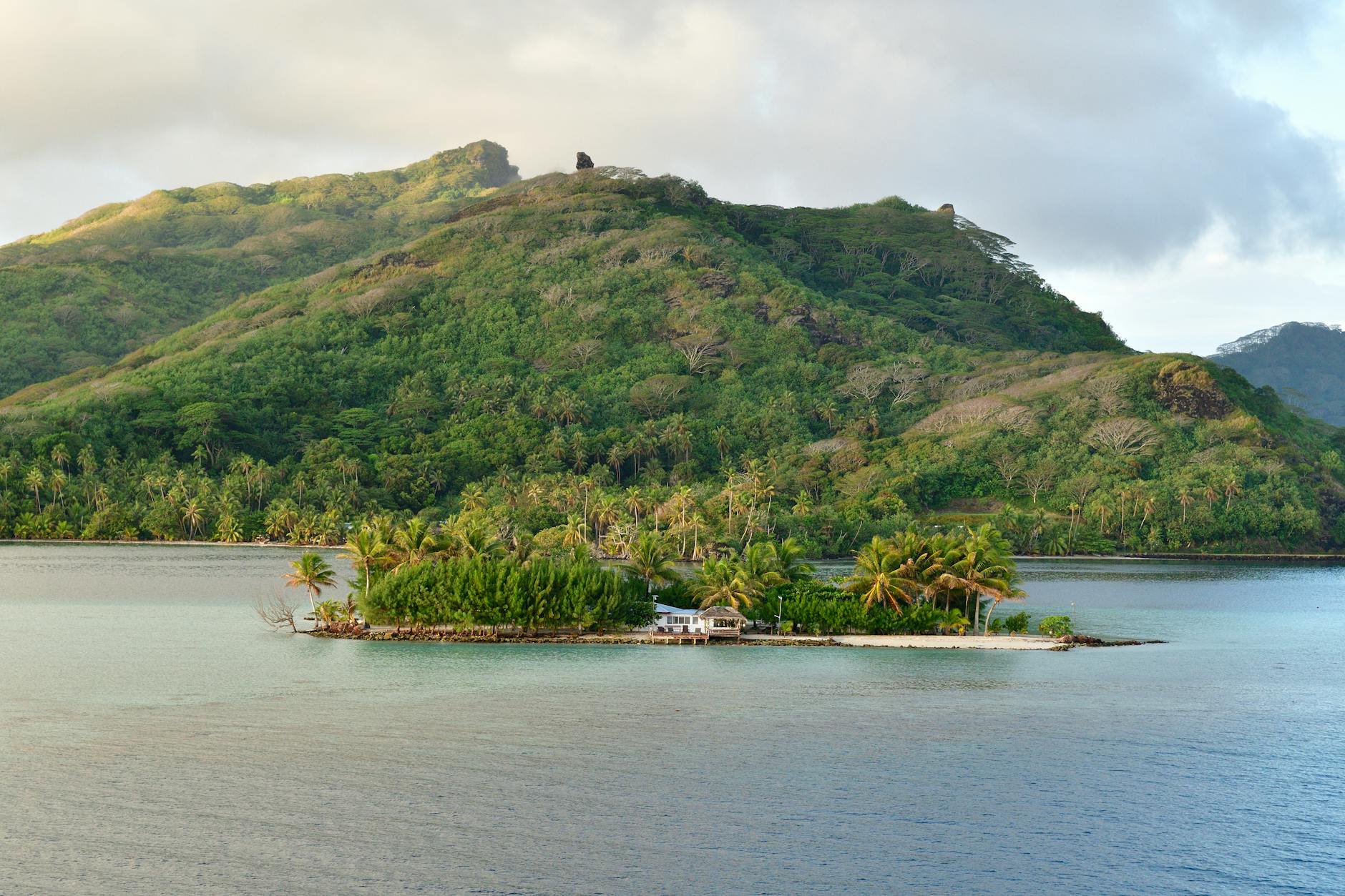
Photo by Colon Freld on Pexels
Germany's Pacific Conquest
On November 3, 1884, German Chancellor Otto von Bismarck annexed New Guinea, a move that would change the course of Pacific history. Bismarck's decision was prompted by the German New Guinea Company's colonization efforts, led by Adolf von Hansemann. This annexation marked the beginning of Germany's foray into the Pacific.
What Everyone Knows
Most people think that European colonization of the Pacific was solely a British and French affair, with Germany playing a minor role. The standard story goes that Germany was too focused on its European territorial ambitions to bother with distant Pacific islands. However, this narrative overlooks the significant presence Germany established in the Pacific, particularly in New Guinea.
What History Actually Shows
Historians like Hans-Joachim Torke and Woodruff D. Smith have extensively documented Germany's Pacific expansion, which began in the late 19th century. On November 3, 1884, Bismarck declared the establishment of German New Guinea, and by 1885, the German flag was flying over the island. The German government spent over 20 million gold marks to purchase the island from the German New Guinea Company, a substantial investment that underscores the importance of this Pacific outpost. According to the German historian, Heinrich Schnee, Germany's Pacific territories were seen as a vital component of its colonial empire, providing access to valuable resources and strategic ports. By 1899, Germany had expanded its Pacific holdings to include the Mariana Islands, the Caroline Islands, and the Marshall Islands, all of which were administered from German New Guinea. As historian Smith notes in his book "The German Colonial Empire", the German Pacific territories were a key factor in the country's emergence as a global power, with the colony in New Guinea serving as a hub for German trade and commerce in the region. By 1914, Germany's Pacific territories were thriving, with a significant presence of German colonizers, traders, and missionaries, but the outbreak of World War I would soon change the fate of these territories.
The Part That Got Buried
Historians like Gerhard Ritter and Wilhelm Deist chose to focus on the European theater of World War I, leaving the story of Germany's colonial ambitions in the Pacific to gather dust. The German Foreign Office deliberately destroyed many records related to the New Guinea colony, making it difficult for researchers to reconstruct the events surrounding its establishment and loss. Kaiser Wilhelm II himself played a significant role in downplaying the importance of the Pacific territories, preferring to emphasize Germany's European interests. As a result, the story of Germany's foray into the Pacific was relegated to the footnotes of history, with few scholars bothering to investigate further. The destruction of records, in particular, was a deliberate attempt to conceal the extent of Germany's colonial endeavors, and it has taken decades for researchers to piece together the fragments of this forgotten chapter.
The Ripple Effect
The loss of New Guinea had a direct impact on the indigenous population, as Australian administrators imposed their own brand of colonial rule, often disrupting traditional ways of life. The Australian government's decision to establish a mandate over the territory under the League of Nations led to the creation of the Territory of New Guinea, which existed from 1920 to 1975. One specific modern thing that traces directly back to this event is the current border between Papua New Guinea and Indonesia, which was formalized in the late 20th century. The legacy of German and Australian colonial rule continues to shape the region's politics, economy, and culture, with many Papuans still seeking greater autonomy or independence.
The Line That Says It All
The German flag was lowered for the last time in New Guinea on November 17, 1914, marking the end of a brief and largely forgotten chapter in the region's history.
A Note on Sources
This article draws on historical records, documented accounts, and academic research related to German colonialism in the Pacific during the late 19th and early 20th centuries.