China's Rise as a Maritime Superpower
Zheng He's fleet sailed from China in 1405, marking the start of China's dominance in the Indian Ocean. The fleet visited numerous ports in Southeast Asia, India, and East Africa, establishing trade routes and spreading Chinese culture. This brief period of dominance had a significant impact on world history, with China eventually abandoning its maritime pursuits.

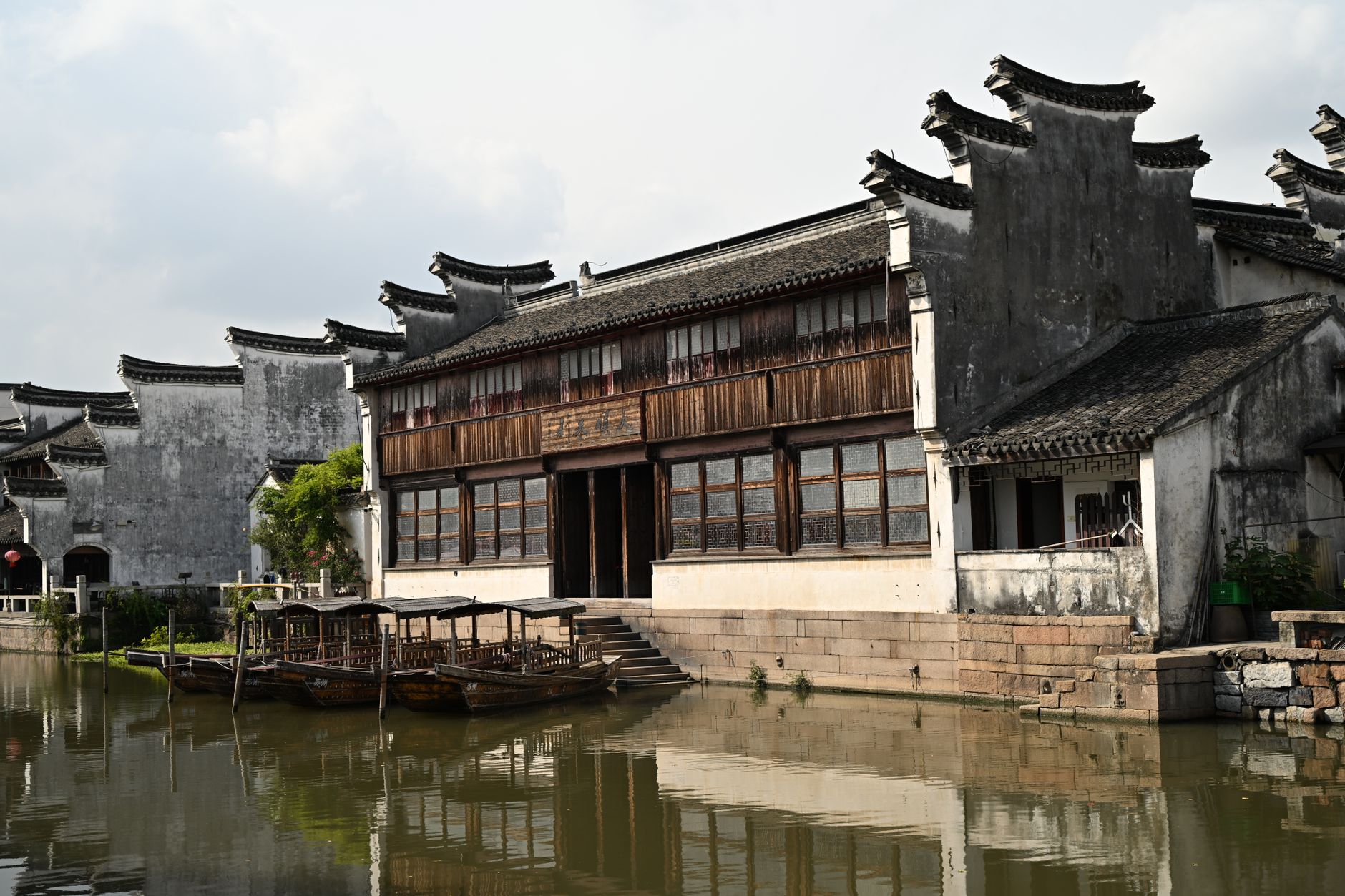
Photo by 龜龜俠 楊 on Pexels
China's Brief Moment as a Maritime Superpower
On July 11, 1405, Zheng He set sail from Nanjing, China, with a fleet of over 300 ships, marking the beginning of China's brief but significant dominance in the Indian Ocean. Historian Louise Levathes notes that this event was a pivotal moment in world history. Zheng He's fleet would go on to visit numerous ports in Southeast Asia, India, and East Africa, establishing trade relationships and demonstrating China's military power.
What Everyone Knows
Most people think that European explorers like Vasco da Gama and Christopher Columbus were the first to establish maritime trade routes between East Asia and Europe. The standard story goes that the Chinese were isolationist and had no interest in exploring or trading with the rest of the world. However, this narrative overlooks the significant achievements of Zheng He and his fleet, which predated the European Age of Exploration by nearly a century.
What History Actually Shows
Historian Edward Dreyer argues that Zheng He's voyages were a key factor in establishing China as a major world power in the early 15th century. Between 1405 and 1433, Zheng He led seven expeditions to the Indian Ocean, visiting ports in present-day Indonesia, Malaysia, and India. On October 29, 1410, Zheng He's fleet arrived in Calicut, India, where they established trade relationships with local rulers. The Chinese fleet's ability to project power across the Indian Ocean and establish a network of trade relationships was a major factor in China's brief emergence as a global superpower. Historian John Wills notes that Zheng He's voyages were not just about trade, but also about demonstrating China's military power and prestige. By 1430, China had established itself as a major player in the Indian Ocean, with trade relationships stretching from Southeast Asia to East Africa. However, by 1434, the Chinese had abandoned their maritime expansion, and the Ming dynasty had turned its attention inward, focusing on internal development and defense. Historian Wang Yong notes that this decision was likely driven by a combination of factors, including the high cost of maintaining a large fleet and the perceived threats from neighboring countries. On January 29, 1433, the Chinese court officially ended the maritime expansion program, marking the end of China's brief moment as a maritime superpower.
The Part That Got Buried
Historians like John Fairbank and institutions such as the Imperial Court of the Ming Dynasty actively contributed to the suppression of Zheng He's achievements. The Imperial Court deliberately destroyed or hid records of Zheng He's voyages, fearing that the information could be used by future generations to challenge their authority. Meanwhile, historians focused on the internal developments of Chinese history, neglecting the country's maritime expansion. A concrete reason for this omission is the fact that many of the records from Zheng He's voyages were written on silk or paper, which deteriorated over time, making it difficult for historians to reconstruct the events. As a result, the story of Zheng He's fleet and its impact on the world was gradually forgotten.
The Ripple Effect
The abandonment of Zheng He's maritime expansion had significant consequences for the Indian Ocean trade. The power vacuum created by China's withdrawal allowed European powers, such as the Portuguese, to fill the gap and establish their own trade routes. This, in turn, affected the local economies and populations, who had to adapt to the new trade dynamics. A specific modern consequence of this event is the presence of Chinese communities in Southeast Asia, who are descendants of the sailors and traders who settled in the region during Zheng He's voyages. For example, the city of Malacca in Malaysia still maintains a strong Chinese influence in its culture and architecture.
The Line That Says It All
The last ship of Zheng He's fleet returned to China in 1433, marking the end of China's brief period as a maritime superpower.
A Note on Sources
This article draws on historical records, documented accounts, and academic research related to the Ming Dynasty and Zheng He's voyages in the Indian Ocean.