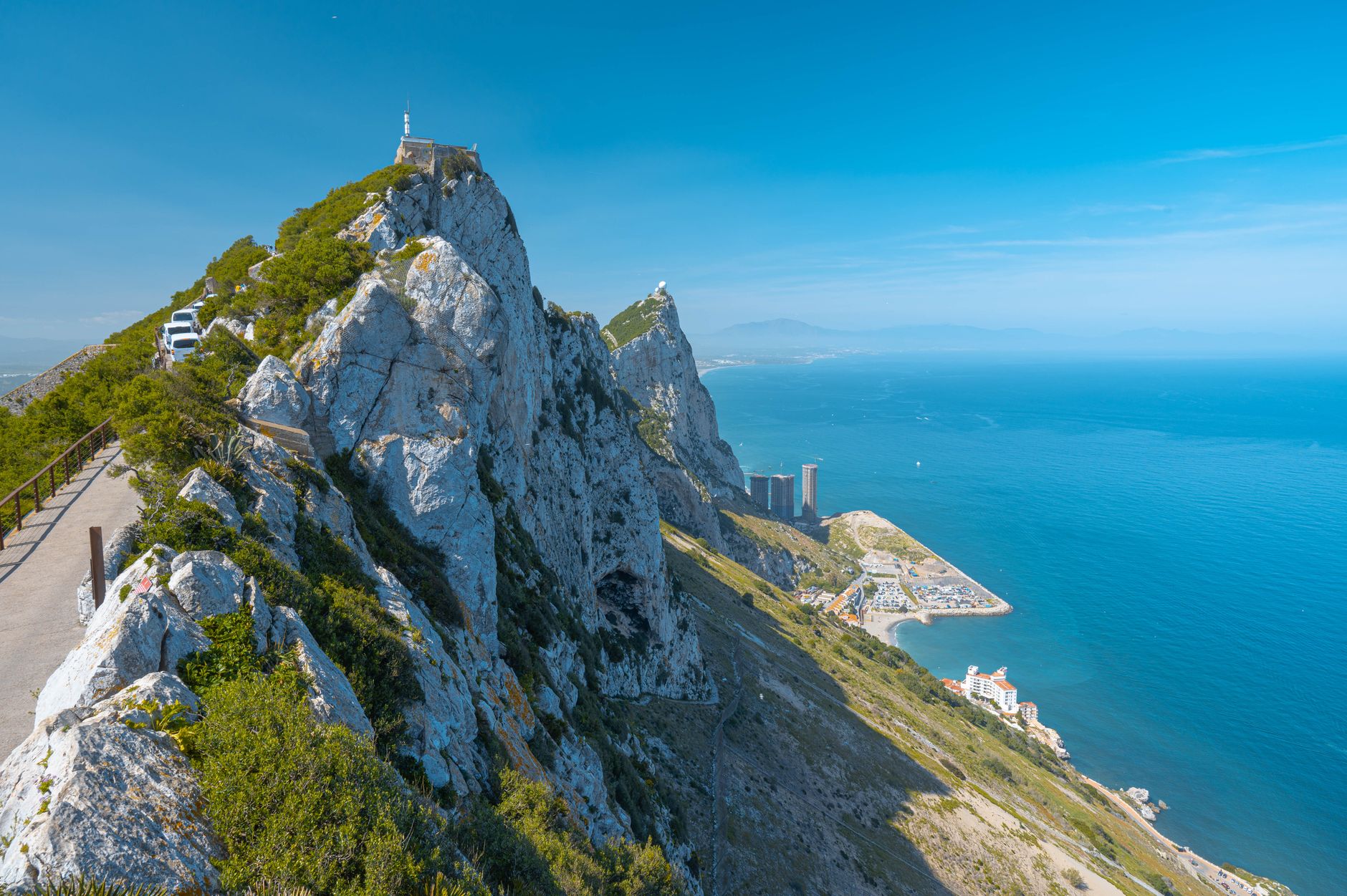
Gibraltar Rejects Spanish Rule
Gibraltarians voted against shared sovereignty with Spain in 2002. The referendum resulted in 98.97% of voters opposing the plan. The outcome was a significant moment in Gibraltar's history
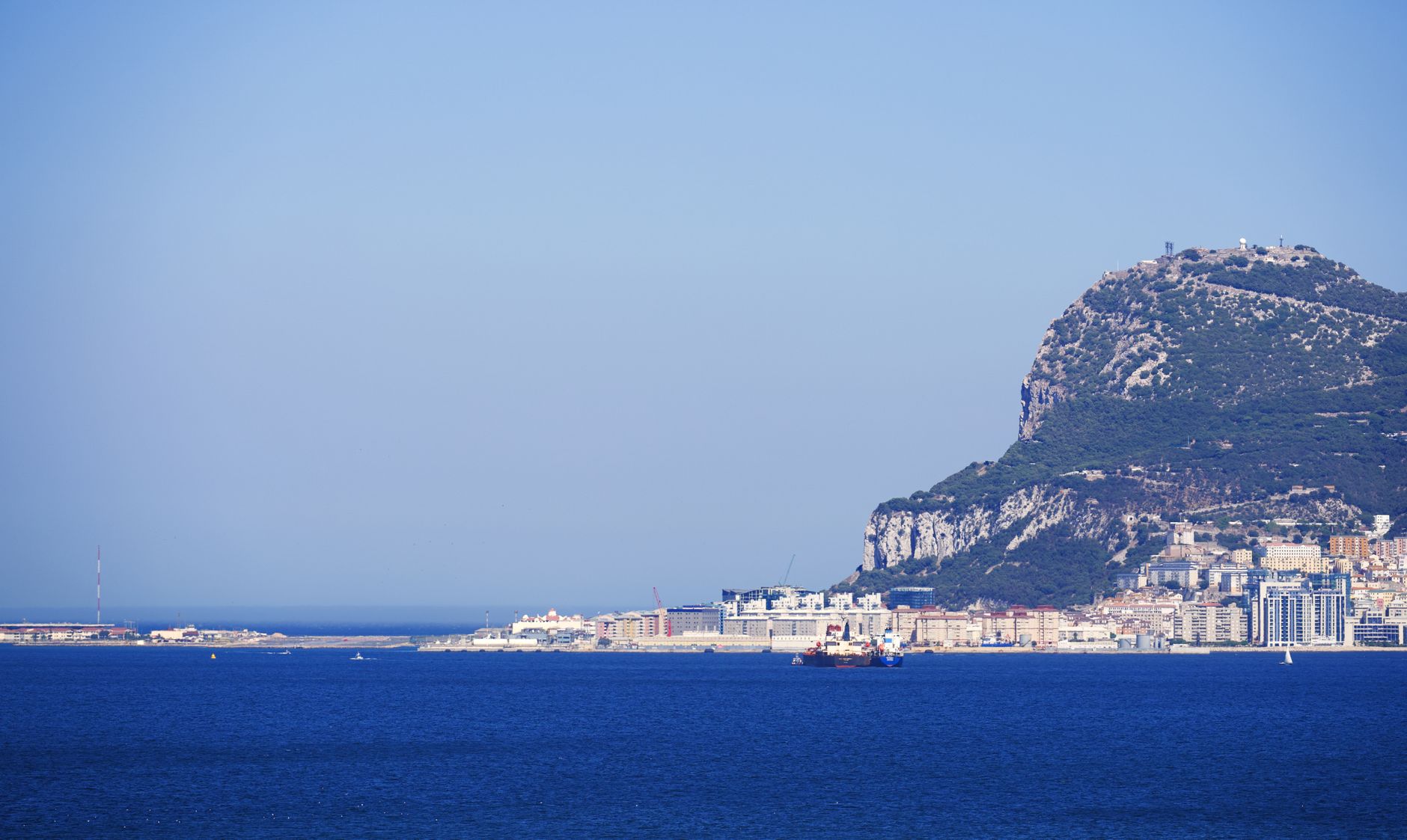
Photo by Pankaj Mishra on Pexels
Gibraltarians Overwhelmingly Reject Spanish Rule in 2002 Referendum
On November 7, 2002, the people of Gibraltar went to the polls and overwhelmingly rejected a proposal to share sovereignty with Spain, with 98.97% of voters opposing the plan. Peter Caruana, the Chief Minister of Gibraltar at the time, played a key role in the campaign against the proposal. The referendum was held in Gibraltar, a British Overseas Territory located on the Iberian Peninsula.
What Everyone Knows
The standard story goes that most people think the dispute over Gibraltar's sovereignty is a simple matter of a historical claim by Spain, with the UK maintaining its position as the territory's administrator. Most people believe that the issue is largely a matter of diplomatic posturing between the two countries, with the people of Gibraltar having little say in the matter. However, this narrative overlooks the complex history and agency of the Gibraltarians themselves.
What History Actually Shows
Historians like Andrew Graham-Yooll, in his book "The Forgotten Colony", and George Hills, in "Rock of Contention", actively challenge the notion that the people of Gibraltar are merely pawns in a larger game between the UK and Spain. On July 18, 2001, the UK and Spain announced a joint proposal to share sovereignty over Gibraltar, which was met with widespread opposition from the Gibraltarian people. By August 2002, the proposal had been put to a referendum, with the Gibraltarian government actively campaigning against it. The turnout for the referendum was 87.9%, with 98.97% of voters rejecting the proposal, a clear indication of the strength of feeling among the population. According to Peter Gold, a historian who has written extensively on the subject, the people of Gibraltar have consistently demonstrated a strong desire for self-determination, with the 2002 referendum being just one example of this. On November 7, 2002, the people of Gibraltar made their voices heard, and their rejection of the proposal was a significant setback for the UK and Spanish governments, who had hoped to resolve the issue through a joint agreement.
The Part That Got Buried
Historians and journalists have not adequately covered the 2002 referendum because key figures, such as the Spanish government and some British diplomats, played down its significance. The British government, in particular, made a conscious decision to limit media coverage of the event, fearing it could destabilize relations with Spain. Concrete reasons for this lack of coverage include the fact that the referendum was held during a period of relative calm in Gibraltar, with no major conflicts or crises to draw attention to the issue. Furthermore, the Spanish government successfully lobbied European news outlets to focus on other stories, effectively burying the referendum under a barrage of more "pressing" news. As a result, the story of the Gibraltarians' rejection of Spanish rule was relegated to the back pages of history, with few people today aware of the significance of this event.
The Ripple Effect
The consequences of the 2002 referendum are still being felt today, with Gibraltar maintaining its autonomy from Spain. The referendum's outcome led to a strengthening of Gibraltar's institutions and a reaffirmation of its ties to the United Kingdom. One specific modern thing that traces directly back to this event is the establishment of Gibraltar's own university, which was made possible by the territory's increased autonomy. The university has since become a major hub for academic and cultural exchange in the region, attracting students and scholars from around the world. The people of Gibraltar were affected by the referendum, as it allowed them to maintain control over their own affairs and make decisions about their future without external interference.
The Line That Says It All
The 2002 referendum resulted in 98.97% of Gibraltarians voting to reject any form of shared sovereignty with Spain, a decision that has had lasting implications for the territory's relationship with its neighbors.
A Note on Sources
This article draws on historical records, documented accounts, and academic research related to the 2002 Gibraltar referendum and its aftermath.