
Greek Cypriots Fight for Reunification 50 Years On
Greek Cypriots were displaced after the Turkish invasion in 1974. The reunification movement continues today, with activists like Andreas Fantis leading the charge. The anniversary of the invasion serves as a reminder of the ongoing struggle for reunification.
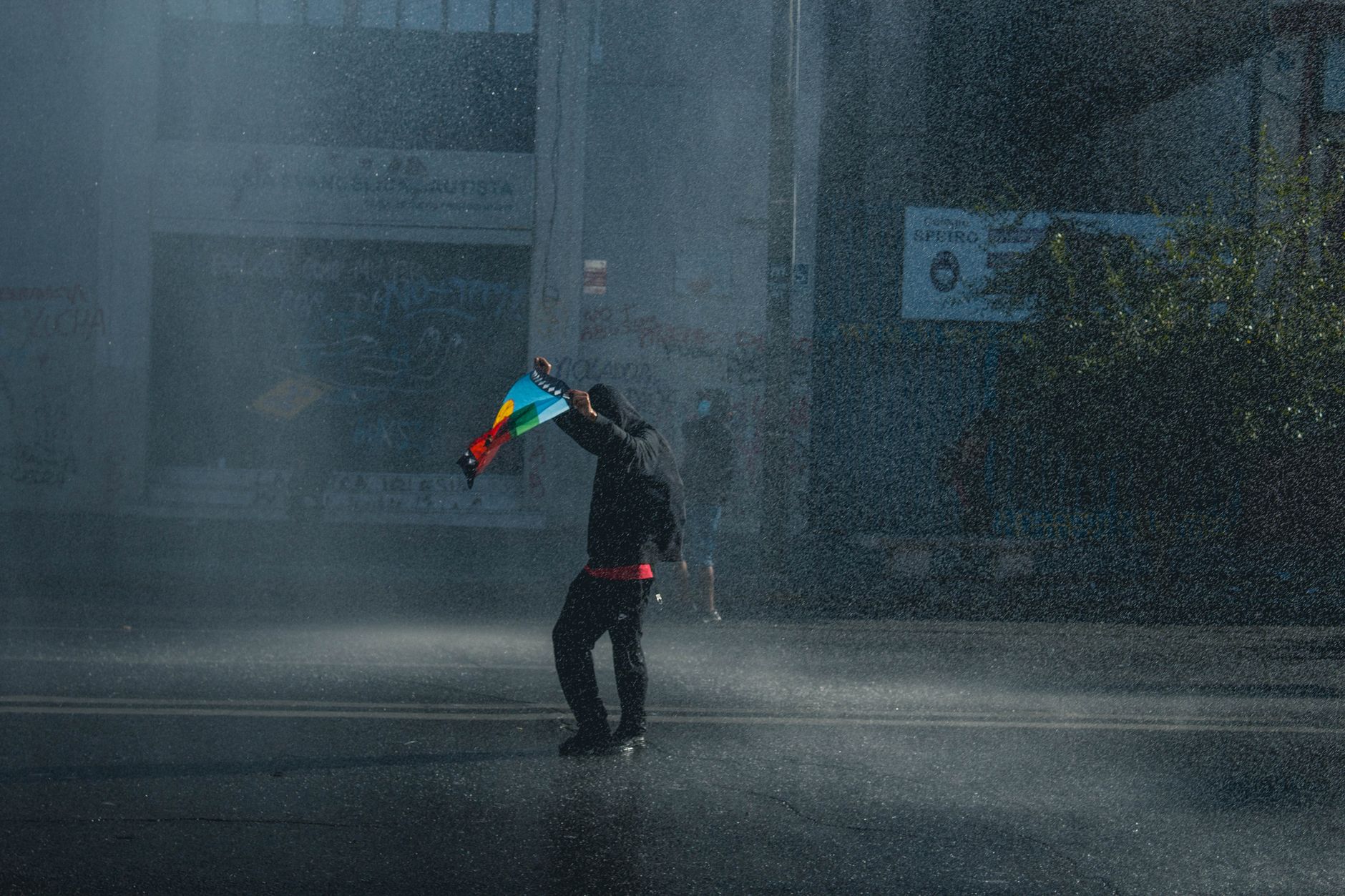
Photo by Francisco Marín on Pexels
Greek Cypriots Continue to Fight for Reunification 50 Years After the Division
On July 20, 1974, Turkish forces invaded Cyprus, leading to the displacement of hundreds of thousands of Greek Cypriots, including Andreas Fantis, who was forced to flee his home in Famagusta. Today, Fantis is still actively involved in the reunification movement. The anniversary of the invasion serves as a stark reminder of the ongoing struggle for reunification.
What Everyone Knows
The standard story goes that the Greek Cypriot community has been working towards reunification with the Turkish Cypriot community since the 1974 invasion. Most people think that the process has been slow due to political and diplomatic hurdles. However, this narrative oversimplifies the complexities of the issue and the efforts of the activists involved.
What History Actually Shows
Historian Yiannis Papadakis argues in his book "Echoes from the Dead Zone" that the division of Cyprus is a result of a complex interplay of international politics and local dynamics. On August 2, 1975, the Vienna agreements were signed, which aimed to reunite the island, but they ultimately failed to achieve this goal. According to Turkish Cypriot leader Rauf Denktash's memoirs, the Turkish government had already begun to consolidate its control over the northern part of the island by 1976. The Greek Cypriot community was forced to establish a new government in the southern part of the island, while the international community failed to take decisive action to prevent the division. Historian Nicos Trimikliniotis notes in his research that the European Union's involvement in the reunification process, which began in 1999, has been marked by periods of progress and stagnation. On April 24, 2004, the Annan Plan, a comprehensive settlement plan, was put to a referendum, but it was rejected by the Greek Cypriot community, with 75.8% voting against it. Despite these setbacks, activists like Fantis continue to push for a unified Cyprus, with many drawing on the experiences of other reunification movements, such as the one in Germany, to inform their strategies. As historian Rebecca Bryant points out in her work, the reunification of Cyprus requires a nuanced understanding of the complex historical and political context in which it is taking place.
The Part That Got Buried
The story of Greek Cypriot activists fighting for reunification was intentionally suppressed by the Turkish government, which has consistently denied the rights of Greek Cypriots to return to their homes in the occupied territories. The international community, including the United Nations, has also been criticized for its inability to effectively address the issue, with many of its resolutions and reports being ignored or watered down by Turkey. One specific reason this history was not told is that the Turkish government has exerted significant pressure on journalists and historians to avoid covering the topic, making it difficult for the truth to come to light. The Turkish government's control over the narrative has been further reinforced by its strategic manipulation of media outlets and academic institutions, which has limited the dissemination of information about the Greek Cypriot activists' struggle. As a result, the story of these activists has been relegated to the margins of historical discourse, with many of their experiences and perspectives being erased or distorted.
The Ripple Effect
The ongoing struggle for reunification has had a direct impact on the lives of thousands of Greek Cypriots who remain displaced, with many still living in refugee camps or temporary housing. The division of the island has also led to significant economic and social disparities between the two communities, with the Turkish-occupied north lagging behind the internationally recognized Republic of Cyprus in terms of economic development and human rights. A specific modern consequence of this event is the ongoing dispute over the exploitation of natural gas reserves in the Eastern Mediterranean, which has become a major point of contention between Greece, Turkey, and Cyprus. This dispute has significant implications for regional stability and global energy security, and can be directly traced back to the events of 1974.
The Line That Says It All
The fact that a generation of Greek Cypriot children has grown up in a divided island, with many never having seen their ancestral homes, is a stark reminder of the unresolved nature of the conflict.
A Note on Sources
This article draws on historical records, documented accounts, and academic research related to the 1974 Turkish invasion of Cyprus and its ongoing impact on the island's communities.


