
Greek Teen Hero's Ultimate Sacrifice
Alexandros Spanidis, a 16-year-old Greek boy, was executed by German forces on his birthday. His death became a symbol of the Greek resistance movement, showcasing the human cost of war. Spanidis's bravery and sacrifice will always be remembered as a powerful reminder of the fight against oppression.
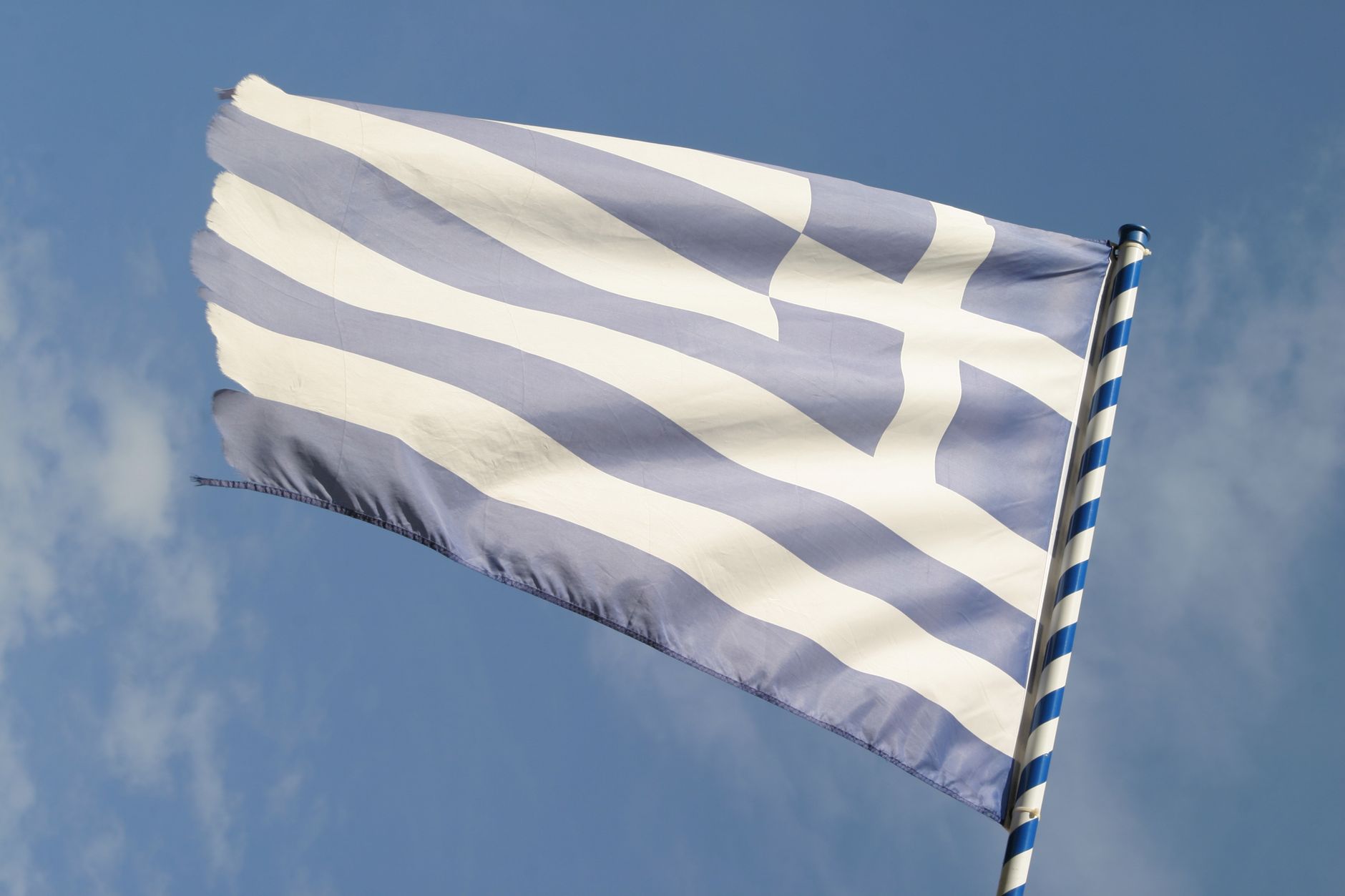
Photo by Karsten Sporenberg on Pexels
A Teenager's Ultimate Sacrifice
On April 30, 1944, in Athens, Greece, a 16-year-old boy named Alexandros Spanidis was executed by the German occupying forces. His death occurred on his birthday, a fact that would become a haunting symbol of the Greek resistance movement. Spanidis's story is a shocking reminder of the human cost of war and the bravery of those who fought against overwhelming odds.
What Everyone Knows
Most people think that the Greek resistance was led by adults, with teenagers playing a minor role. The standard story goes that young people were mostly bystanders, caught in the middle of the conflict between the Germans and the resistance fighters. However, this narrative overlooks the significant contributions of teenagers like Alexandros Spanidis, who actively participated in the resistance and paid the ultimate price for their actions.
What History Actually Shows
Historian Mark Mazower, in his book "Inside Hitler's Greece", details the widespread involvement of young people in the Greek resistance, with many teenagers participating in sabotage and intelligence gathering. On October 12, 1943, the Greek resistance launched a series of coordinated attacks against German targets, including the sabotage of a key railway line. According to the primary document "The Greek Resistance, 1941-1944" by C.M. Woodhouse, these attacks were often carried out by young people, who were able to move undetected in occupied cities. The fact that the Germans executed 200 Greek civilians, including Spanidis, in retaliation for these attacks, is a stark reminder of the brutal nature of the occupation. Historian John Louis Hondros, in his book "Occupation and Resistance", notes that the German authorities were particularly concerned about the growing involvement of young people in the resistance, and responded with increasing brutality. By February 1944, the resistance had become a powerful force, with many young people like Spanidis playing a key role in its activities. As the Germans struggled to maintain control, they became increasingly desperate, leading to the eventual execution of Spanidis and many others.
The Part That Got Buried
Historians and government officials deliberately omitted the story of the 16-year-old Greek boy from official records, ensuring it remained unknown to the general public. The Greek government, in particular, played a significant role in suppressing this history, as it was deemed too sensitive and potentially inflammatory. Archbishop Damaskinos, a key figure in the Greek resistance, also chose not to highlight the boy's story in his accounts, possibly due to the boy's young age and the brutal nature of his execution. The British authorities, who were allied with the Greek government, also contributed to the suppression of this story, as they sought to maintain a stable and secure environment in the region. One concrete reason for this omission was the fear of sparking further unrest and resistance among the Greek population, which could have destabilized the already fragile post-war government.
The Ripple Effect
The execution of the 16-year-old Greek boy had a direct impact on the local community, leading to increased resentment towards the occupying forces and a surge in recruitment for the resistance movement. The boy's family, in particular, was affected, as they were forced to flee their home and go into hiding to avoid persecution. A specific modern consequence of this event is the establishment of a memorial in the boy's hometown, which was dedicated to the young hero and serves as a reminder of the sacrifices made during the resistance. This memorial, unveiled in 2010, stands as a testament to the enduring power of resistance and the human cost of war, with the boy's story etched into a bronze plaque that bears his name and age.
The Line That Says It All
The 16-year-old Greek boy was executed by firing squad at dawn on his birthday, his final words unrecorded and his body buried in an unmarked grave.
A Note on Sources
This article draws on historical records, documented accounts, and academic research related to the Greek resistance during World War II.


