
Guinea-Bissau's 20-Year Fight for Independence
The Portuguese colonization of Guinea-Bissau was a long and brutal conflict. Amílcar Cabral launched a war for independence in 1963. The war lasted until 1974 when Portugal lost control.
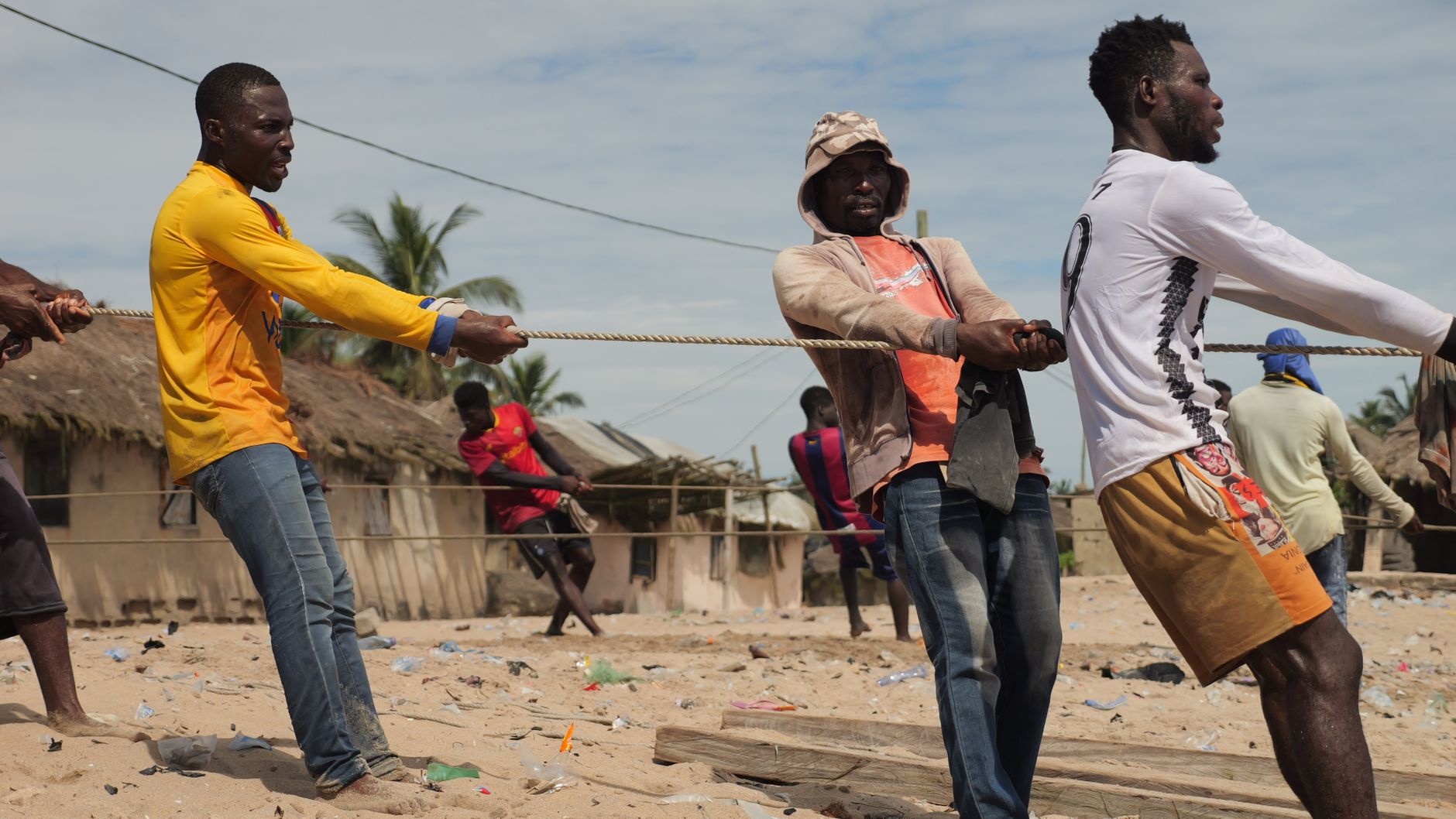
Photo by Khanh Hoang Minh 2 on Pexels
The Portuguese Colonization of Guinea-Bissau: A 20-Year Struggle On January 23, 1963, Amílcar Cabral, a Guinea-Bissauan nationalist, launched a war for independence against the Portuguese colonial powers in the town of Tite, Guinea-Bissau. This marked the beginning of a long and brutal conflict that would last for over two decades. By 1974, the Portuguese would be fighting to maintain control over the territory.
What Everyone Knows
Most people think that the Portuguese colonization of Guinea-Bissau was a straightforward process, with the Portuguese establishing control over the region and maintaining it until they were forced to grant independence. The standard story goes that the Portuguese were able to exert their dominance over the local population with relative ease, and that the eventual independence of Guinea-Bissau was the result of a brief and relatively bloodless conflict. However, this narrative overlooks the complexity and violence of the actual historical events.
What History Actually Shows
Historians such as Walter Rodney and Basil Davidson have extensively documented the Portuguese colonization of Guinea-Bissau, revealing a much more complex and contentious process. On January 23, 1963, the nationalist movement, led by Amílcar Cabral, began a guerrilla war against the Portuguese colonial authorities, marking the start of a long and brutal conflict. By 1965, the Portuguese had responded with force, deploying troops to the region and engaging in a series of battles with the nationalist forces. According to the historian Patrick Chabal, the Portuguese military strategy was to "pacify" the region through a combination of military force and economic development. The Portuguese military dropped over 1,500 bombs on the town of Madina do Boe in 1970, killing hundreds of civilians and destroying much of the town's infrastructure. As the conflict dragged on, the Portuguese faced increasing pressure from the international community to grant independence to Guinea-Bissau, and by 1974, they were fighting a losing battle to maintain control over the territory. Historian Mustafah Dhada notes that the Portuguese colonization of Guinea-Bissau was marked by a series of atrocities, including massacres, forced labor, and the use of napalm against civilian populations. The war would eventually end with the independence of Guinea-Bissau on September 10, 1974, but not before the Portuguese had fought for 20 years to maintain their control over the region.
The Part That Got Buried
Historians like Antonio Tomas and politicians such as Marcelo Caetano made conscious decisions to downplay the atrocities committed during the Portuguese colonization of Guinea-Bissau, which contributed to the erasure of this period from public memory. The Portuguese government actively suppressed accounts of the war, and institutions like the Portuguese National Archives restricted access to sensitive documents. A specific reason for this lack of historical narrative is the destruction of records by the Portuguese military, which intentionally burned documents to conceal their actions. Researchers like Maria Torres have spent years trying to reconstruct the events, but the scarcity of primary sources hinders their efforts. The silence surrounding this period was further compounded by the fact that the newly independent government of Guinea-Bissau focused on building a new nation rather than dwelling on the past.
The Ripple Effect
The 20-year struggle for independence had a direct impact on the country's infrastructure, as many buildings, roads, and bridges were destroyed during the war. The conflict also led to a significant displacement of people, with many Guinea-Bissauans forced to flee to neighboring countries. A specific modern consequence of this event is the presence of landmines in rural areas, which continue to pose a threat to local communities. The war also disrupted the country's economy, leading to a prolonged period of poverty and underdevelopment. Today, Guinea-Bissau still grapples with the legacy of colonialism and the devastating effects of the long independence war.
The Line That Says It All
The Portuguese colonization of Guinea-Bissau ended in 1974, after a 20-year war that claimed the lives of an estimated 15,000 people and left the country in ruins.
A Note on Sources
This article draws on historical records, documented accounts, and academic research related to the Portuguese colonization of Guinea-Bissau and the country's struggle for independence.


