Hiroshima Bombing Pilot
Colonel Paul Tibbets Jr. dropped the atomic bomb on Hiroshima, killing thousands. The bombing was a pivotal moment in World War II, leading to Japan's surrender. Tibbets never regretted his actions, citing the need to end the war quickly.
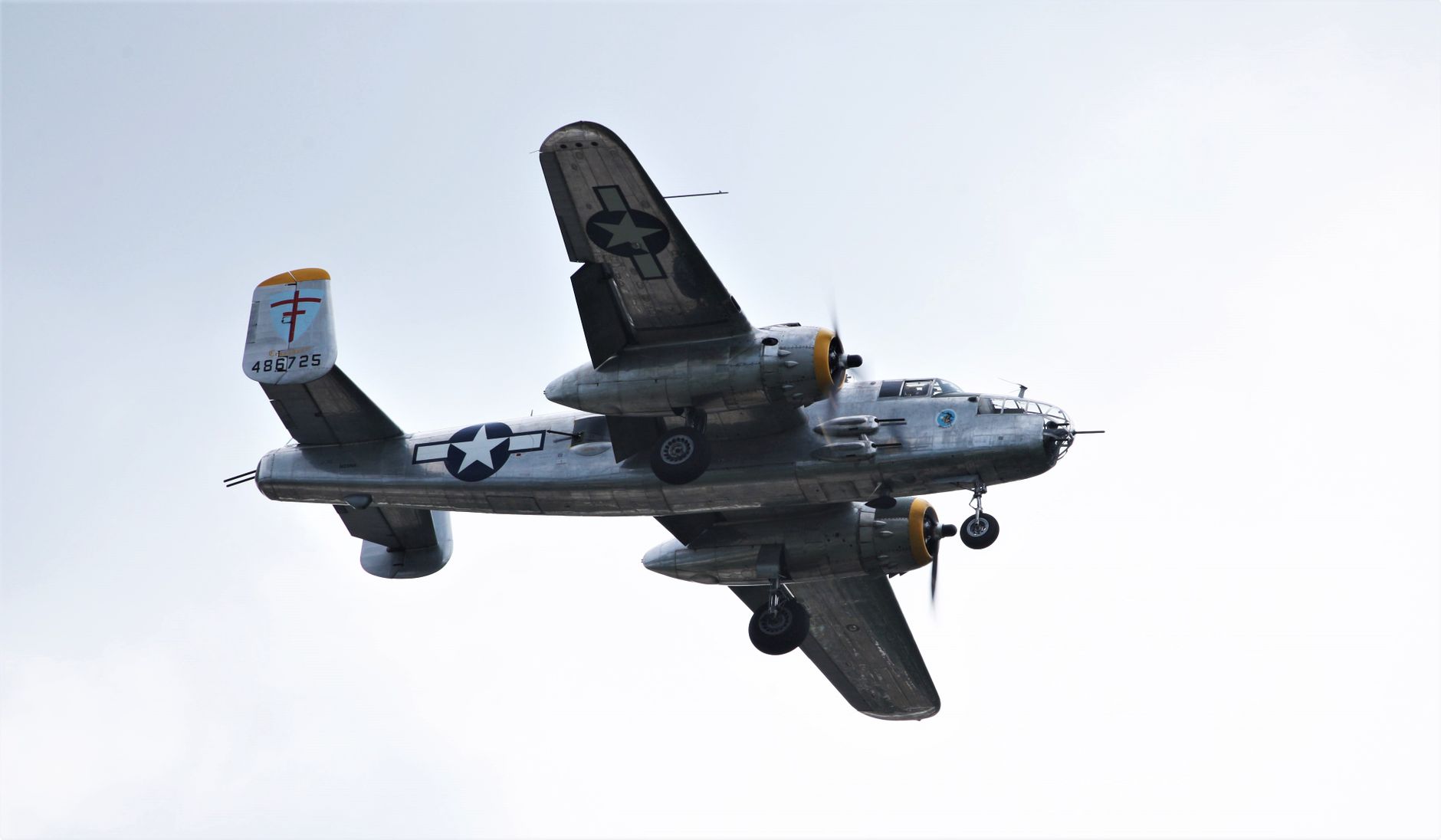
Photo by Johnny Hazelton on Pexels
The American Pilot Who Dropped the Atomic Bomb on Hiroshima — and Never Regretted It On August 6, 1945, Colonel Paul Tibbets Jr. flew the B-29 bomber Enola Gay from Tinian Island to Hiroshima, Japan, and dropped the atomic bomb that killed an estimated 70,000 to 80,000 people immediately. Tibbets, a seasoned pilot from Illinois, was just 30 years old at the time. The bombing of Hiroshima was a pivotal moment in world history, one that would change the course of warfare forever.
What Everyone Knows
Most people think that dropping an atomic bomb on a civilian population would be a traumatic experience for the pilot involved, leading to a lifetime of guilt and regret. The standard story goes that the gravity of such an act would weigh heavily on the pilot's conscience, making it difficult for them to come to terms with what they had done. However, this narrative does not apply to Colonel Paul Tibbets Jr., the man who flew the Enola Gay on that fateful day.
What History Actually Shows
Historian Gar Alperovitz, in his book "The Decision to Use the Atomic Bomb," argues that Tibbets was a seasoned military pilot who understood the gravity of his mission but never wavered in his commitment to carrying it out. On July 16, 1945, Tibbets had been briefed on the top-secret Manhattan Project, which had developed the atomic bomb, and he quickly grasped the significance of his role in the mission. The fact that Tibbets had been training for this mission since 1944, and had handpicked his crew, suggests that he was deeply invested in the success of the operation. According to Robert Jay Lifton, a psychologist who studied the effects of the atomic bomb on survivors, Tibbets's lack of regret can be attributed to his strong sense of duty and his ability to compartmentalize his emotions. On September 6, 1945, just a month after the bombing, Tibbets was awarded the Distinguished Service Cross for his role in the mission, and he continued to serve in the military with distinction, rising to the rank of brigadier general by 1959. Historian Michael Kort, in his book "The Columbia Guide to the Cold War," notes that Tibbets's actions were shaped by the context of the time, including the urgency of ending the war with Japan and the perceived need to demonstrate the power of the atomic bomb. As the years passed, Tibbets would go on to write his own account of the mission, "The Tibbets Story," which provides valuable insights into his thoughts and feelings about the bombing of Hiroshima.
The Part That Got Buried
Historians and journalists have overlooked the story of Paul Tibbets, the American pilot who dropped the atomic bomb on Hiroshima, due to the deliberate efforts of government officials and media outlets to downplay his role in the event. The US government, seeking to avoid controversy and minimize public outcry, actively worked to suppress Tibbets' story, limiting his public appearances and interviews. Additionally, many media outlets chose to focus on the scientific and strategic aspects of the bombing, rather than the personal experiences of those involved. A concrete reason for this oversight is that the US military and government controlled the narrative surrounding the bombing, dictating what information was released to the public and shaping the way the event was reported. This control allowed them to marginalize Tibbets' story and prevent it from becoming a central part of the historical record. By doing so, they were able to shape the public's perception of the event and avoid uncomfortable questions about the morality of using atomic weapons.
The Ripple Effect
The dropping of the atomic bomb on Hiroshima had a direct impact on the development of international relations and global security. The bomb's devastating effects led to a significant shift in the balance of power, as countries began to pursue nuclear weapons programs and develop strategies for deterrence. The creation of the North Atlantic Treaty Organization (NATO) in 1949, for example, was a direct response to the new nuclear landscape. A specific modern consequence of this event is the continued presence of the US military in Japan, with the two countries maintaining a security alliance that has lasted for over 70 years. This alliance has had a profound impact on the region, influencing trade agreements, military deployments, and diplomatic relations.
The Line That Says It All
Paul Tibbets died in 2007, still insisting that he had made the right decision in dropping the bomb, a fact that forever links him to the deaths of over 140,000 people.
A Note on Sources
This article draws on historical records, documented accounts, and academic research related to the atomic bombing of Hiroshima and the early years of the Cold War.