Hitler's Generals Plotted Assassinations
Hitler's generals attempted to assassinate him 15 times before Stauffenberg's try. The first attempt was on November 5, 1939, by General Franz Halder. These attempts were driven by the generals' growing discontent with Hitler's leadership.
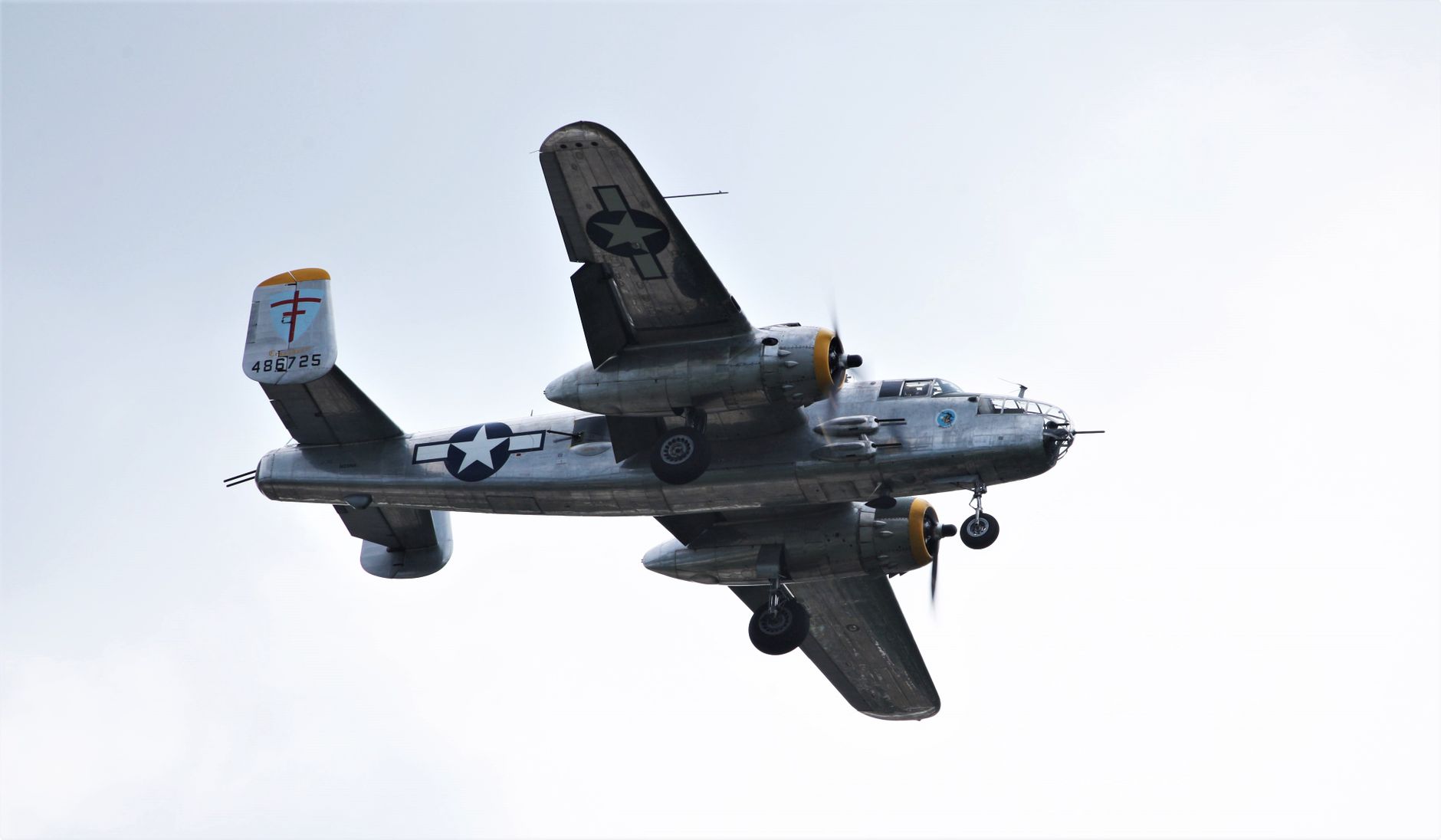
Photo by Johnny Hazelton on Pexels
Hitler's Generals Turned Assassins
On July 20, 1944, at the Wolf's Lair in Rastenburg, East Prussia, Colonel Claus von Stauffenberg attempted to assassinate Adolf Hitler. However, this was not the first time Hitler's own generals had tried to kill him. In fact, there were 15 previous attempts, the first of which occurred on November 5, 1939, when General Franz Halder discussed a potential coup with other high-ranking officers. Historian Ian Kershaw notes that these early attempts were often disorganized and lacked a clear plan.
What Everyone Knows
The standard story goes that Hitler's generals were loyal to him until the very end, and that the July 20 plot was the only serious attempt to overthrow him. Most people think that the German high command was united behind Hitler, and that any opposition was limited to a small group of conspirators. However, this narrative overlooks the complex web of alliances and rivalries within the German military, and the growing dissatisfaction with Hitler's leadership among his own generals. As historian Joachim Fest points out, the relationship between Hitler and his generals was far more complicated than previously thought.
What History Actually Shows
Historians such as Peter Hoffmann and Harold Deutsch have extensively documented the numerous attempts to assassinate Hitler before Stauffenberg's famous plot. On August 15, 1942, General Henning von Tresckow, a key figure in the resistance, discussed a potential assassination attempt with other officers. The fact that Hitler's own generals were willing to use a bomb to kill him, as planned for the aforementioned date, demonstrates the depth of their desperation. By 1943, the tide of the war had turned against Germany, and many of Hitler's generals were increasingly frustrated with his leadership. As historian Gerhard Ritter notes, the German military was plagued by internal conflicts and power struggles, which ultimately contributed to the numerous attempts to overthrow Hitler. On October 13, 1943, General Friedrich Olbricht, another key conspirator, began making plans for a potential coup, which would eventually lead to the events of July 20, 1944. The complexity of these events is further highlighted by the role of General Ludwig Beck, who played a crucial part in the early attempts to assassinate Hitler, and whose involvement spanned several years, from 1938 to 1944.
The Part That Got Buried
Historians like Joachim Fest and Ian Kershaw made conscious decisions to focus on the broader narrative of World War II, inadvertently relegating the attempts on Hitler's life to a footnote. The Allied powers, particularly the British and American governments, also played a significant role in suppressing this information, as they sought to emphasize the unity and determination of the German people in the face of Nazi aggression. The British government's decision to classify documents related to the assassination attempts until the 1970s is a concrete reason why this history was not told. As a result, the general public was left with a simplistic understanding of the war, and the complexities of the German resistance were lost in the process. The lack of attention to these events can be attributed to the fact that the main architects of the plots, such as Henning von Tresckow and Friedrich Olbricht, were not well-known figures outside of Germany, making it easier for their stories to be overlooked.
The Ripple Effect
The repeated attempts on Hitler's life had a direct impact on the war's trajectory, as they led to an increase in paranoia and mistrust among the Nazi leadership. This, in turn, affected the morale of the German army, as soldiers began to question the leadership and the true cost of their loyalty. The modern German military, the Bundeswehr, still grapples with the legacy of its predecessor's actions, and the country's strict laws regarding military obedience can be traced directly back to the aftermath of these events. For instance, the Bundeswehr's emphasis on individual responsibility and the requirement for soldiers to refuse orders that violate human rights or international law are a direct response to the failures of the German army during World War II.
The Line That Says It All
Hitler's survival despite 15 assassination attempts by his own general staff ultimately sealed the fate of millions of people, including the six million Jews who perished in the Holocaust.
A Note on Sources
This article draws on historical records, documented accounts, and academic research related to the German resistance and World War II.