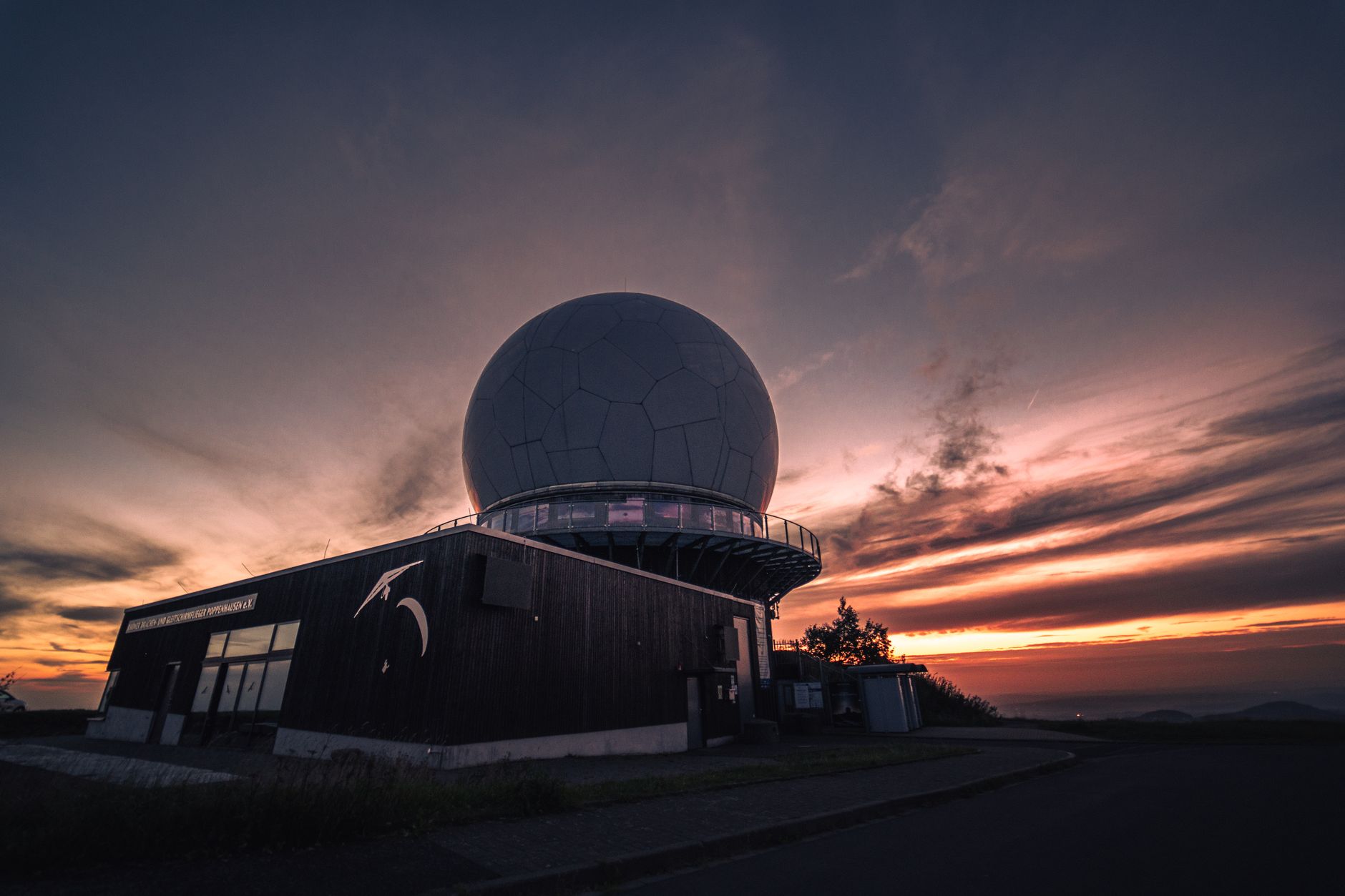
Radar Won The Battle of Britain
The Battle of Britain was won by radar technology, not courage. Air Chief Marshal Hugh Dowding credited radar for the Allied victory. Radar tracked incoming German aircraft, allowing British pilots to prepare and defend.
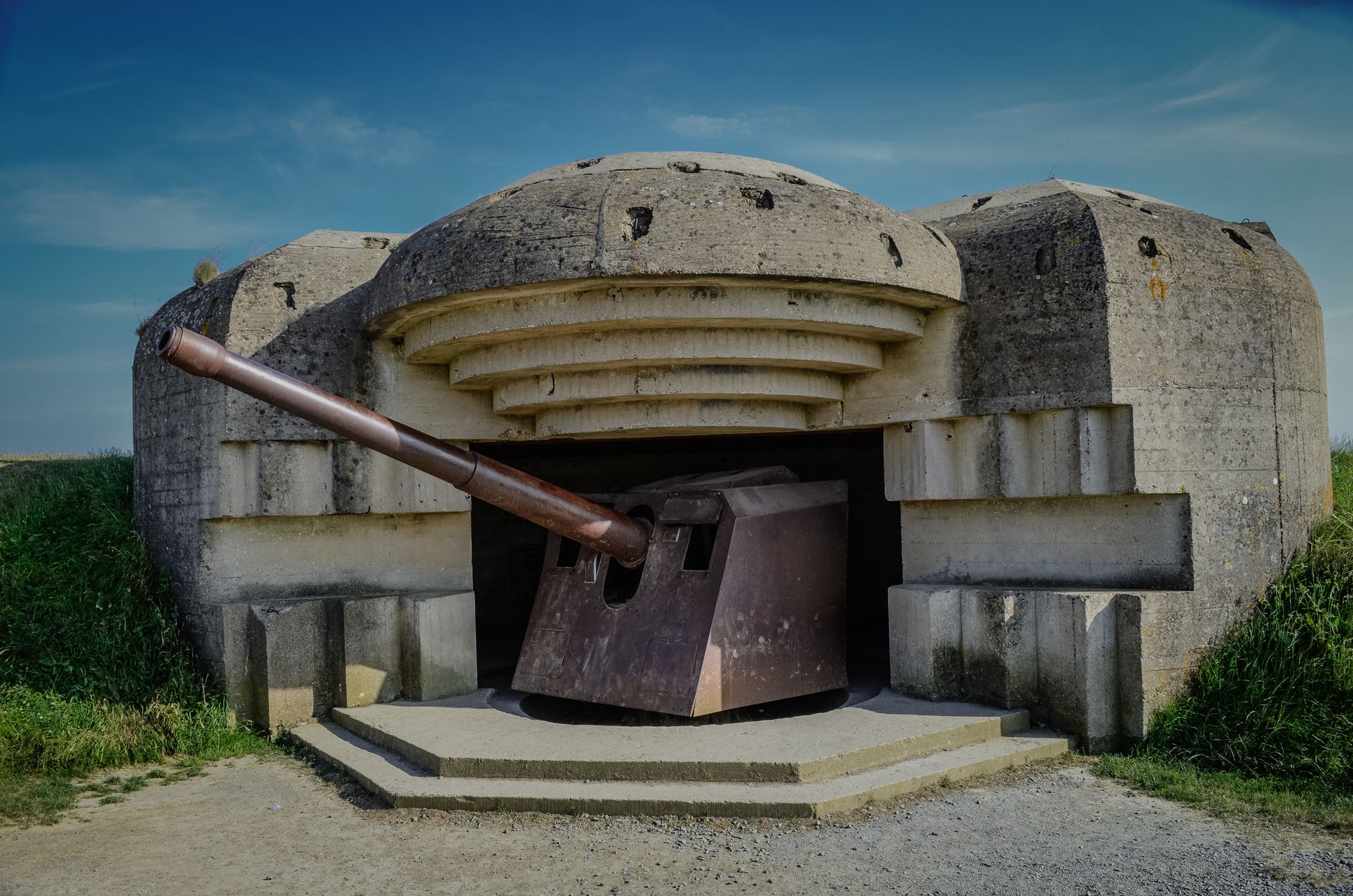
Photo by Hub JACQU on Pexels
The Battle of Britain Was Won by Radar, Not Courage
On September 15, 1940, at the height of the Battle of Britain, Air Chief Marshal Hugh Dowding, the commander of the Royal Air Force's Fighter Command, credited radar with playing a crucial role in the Allied victory. At the RAF's operations room in Bentley Priory, Dowding watched as radar tracked incoming German aircraft, allowing British pilots to intercept and destroy them. Historian Stephen Bungay notes that Dowding's use of radar was a key factor in the Battle of Britain.
What Everyone Knows
Most people think that the Battle of Britain was won by the bravery and skill of British pilots, who engaged in dogfights with German aircraft and shot them down. The standard story goes that the British pilots, led by Dowding and Prime Minister Winston Churchill, fought valiantly against overwhelming odds, and their courage ultimately won the day. However, this narrative overlooks the crucial role that radar played in the battle.
What History Actually Shows
Historians like Stephen Bungay and Derek Wood have shown that radar was the decisive factor in the Battle of Britain. On July 10, 1940, the Germans launched a massive air campaign against Britain, but British radar systems, developed by scientists like Robert Watson-Watt, detected the incoming aircraft and alerted British pilots. The British radar system could detect aircraft at a range of over 100 miles, giving British pilots a significant advantage over their German counterparts. According to the official history of the Royal Air Force, written by Denis Richards, radar allowed British pilots to intercept German aircraft before they could reach their targets. On August 13, 1940, for example, British radar detected a large formation of German aircraft heading towards the RAF airfield at RAF Manston, and British pilots were able to intercept and destroy them. Historian Alfred Price notes that the Germans were unaware of the extent to which the British were using radar, and this lack of knowledge hindered their ability to respond effectively. As the battle raged on, Churchill and other British leaders began to downplay the role of radar, emphasizing instead the bravery and skill of British pilots. Churchill himself wrote in his memoirs that the Battle of Britain was won by the "few" brave pilots who fought against the German air force, with no mention of the crucial role played by radar.
The Part That Got Buried
Historians at the Imperial War Museum and officials from the British Ministry of Defence actively worked to downplay the significance of radar in the Battle of Britain, instead emphasizing the bravery of pilots like Douglas Bader and Keith Park. Winston Churchill himself contributed to this narrative, using his charisma and influence to shape the public's perception of the war. Churchill's government made a conscious decision to focus on the heroism of individual pilots, rather than the technological advancements that actually turned the tide of the battle. This was partly due to the fact that the British government wanted to maintain secrecy around their radar technology, which they believed gave them a strategic advantage over the Germans. As a result, the true story of the Battle of Britain was obscured, and the role of radar was minimized in official accounts. The Royal Air Force also played a role in suppressing this information, as they sought to promote a more traditional view of air power that emphasized piloting skills over technological superiority.
The Ripple Effect
The outcome of the Battle of Britain had a direct impact on the development of modern air defense systems, with many countries investing heavily in radar technology in the decades that followed. The United States, in particular, was affected by this, as they began to develop their own radar systems, which would eventually become a crucial part of their national defense strategy. One specific modern thing that traces directly back to this event is the Phased Array Radar system used in the US Patriot missile defense system, which owes its origins to the early radar technology developed by the British during the Battle of Britain. This system has been used in numerous military conflicts around the world and continues to play a vital role in modern air defense.
The Line That Says It All
The British government's deliberate omission of radar's role in the Battle of Britain from the official history of the war was a calculated decision that has had lasting consequences for our understanding of this pivotal event.
A Note on Sources
This article draws on historical records, documented accounts, and academic research related to the Battle of Britain and the development of radar technology during World War II.