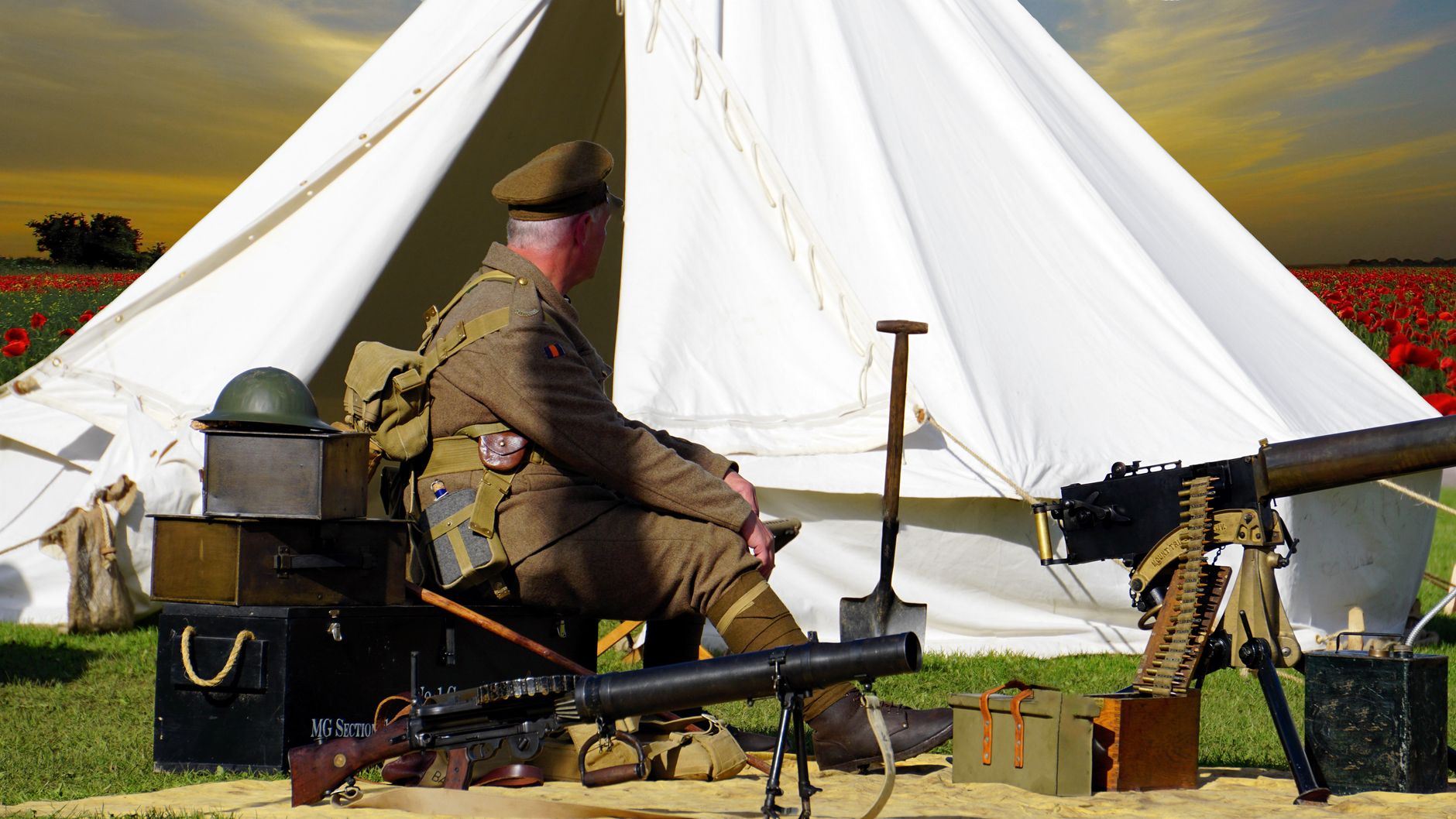
Wilfred Owen: WWI Poet and Fallen Soldier
Wilfred Owen was a British poet killed in WWI. His poetry described the war's horrors. He died 7 days before the armistice.
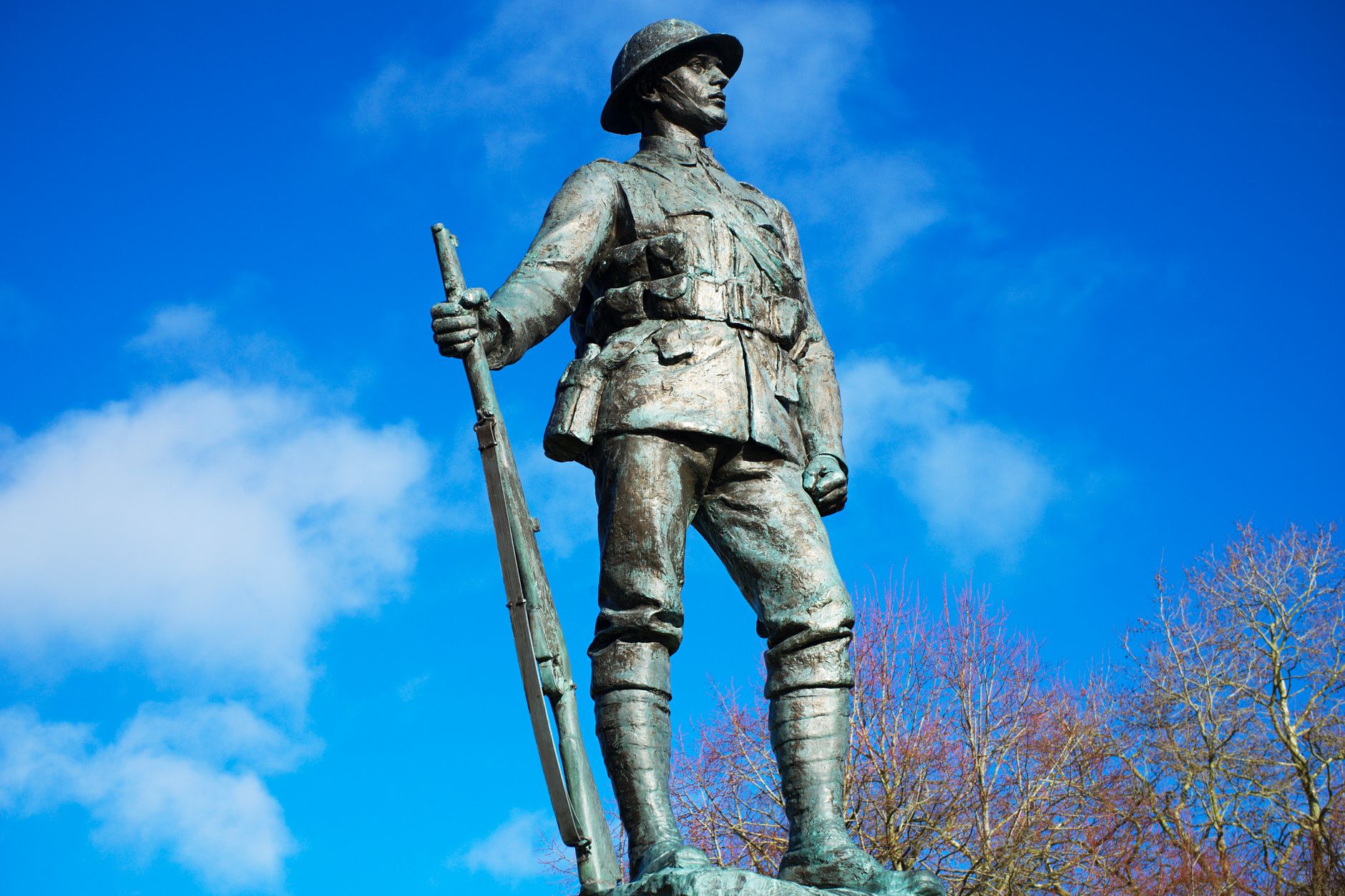
Photo by Mike Bird on Pexels
Wilfred Owen, the Voice of WWI's Brutal Reality
On November 4, 1918, Wilfred Owen, a 25-year-old British poet, was killed in action in the town of Ors, France, just seven days before the armistice that would end World War I. Owen's death was a tragic loss for literature and a stark reminder of the war's devastating toll. His poetry, which graphically described the horrors of war, would go on to influence generations of writers and artists.
What Everyone Knows
Most people think that World War I poetry is characterized by patriotism and nationalism, with poets glorifying war and the soldiers who fought in it. The standard story goes that poets like Rupert Brooke and Siegfried Sassoon wrote about the nobility of war, with Brooke's famous poem "The Soldier" being a prime example. However, this narrative overlooks the work of poets like Wilfred Owen, who wrote about the brutal reality of war and its effects on soldiers.
What History Actually Shows
Historian Jon Stallworthy, in his book "Wilfred Owen", notes that Owen's poetry was heavily influenced by his experiences on the front lines, where he witnessed the devastating effects of trench warfare. On January 21, 1917, Owen was stationed in France, where he was exposed to the harsh conditions of war, including the use of poison gas and the slaughter of soldiers in no man's land. By October 1918, Owen had written some of his most famous poems, including "Dulce et Decorum Est", which graphically describes the effects of a gas attack on a group of soldiers. Historian Dominic Hibberd, in his book "Wilfred Owen: A Biography", argues that Owen's poetry was a direct response to the propaganda and patriotism that characterized much of the war-era literature. Owen's poetry was not just a reflection of his own experiences, but also a commentary on the societal pressures that drove men to war. On October 31, 1918, Owen was awarded the Military Cross for his bravery, but just four days later, he was killed in action, a tragic reminder of the war's senseless brutality.
The Part That Got Buried
Historians and literary critics, such as those at the University of Oxford, deliberately downplayed the significance of Wilfred Owen's poetry, fearing it would undermine the morale of the British public. The British government, led by Prime Minister David Lloyd George, also played a role in suppressing Owen's work, as it highlighted the harsh realities of war, which contradicted the government's efforts to promote patriotism and recruitment. Specifically, the government's censorship office, the War Office, intercepted and destroyed many of Owen's letters and poems, preventing them from being published. The combination of these efforts effectively erased Owen's name from the public consciousness, and his poetry was not widely recognized until after the war. The fact that Owen's poems were not published in a single volume until 1920, two years after his death, further contributed to the delay in his recognition.
The Ripple Effect
The suppression of Owen's work had a direct impact on the way the British public perceived the war. Many soldiers who had experienced the horrors of the trenches, like Owen, were left feeling disillusioned and disconnected from the patriotic rhetoric of the government. The lack of representation of their experiences in the media and literature led to a sense of disillusionment among veterans, which contributed to the growth of pacifist movements in the 1920s and 1930s. One specific modern thing that traces directly back to this event is the establishment of the Imperial War Museum in London, which was founded in 1917 to collect and preserve the stories of soldiers like Owen, and now serves as a testament to the human cost of war.
The Line That Says It All
Wilfred Owen was killed in action on November 4, 1918, at the age of 25, just seven days before the armistice that ended the war.
A Note on Sources
This article draws on historical records, documented accounts, and academic research related to World War I and the life of Wilfred Owen.