Hitler's Self-Deception: Destroying Germany
Adolf Hitler believed he was saving Germany from collapse, but his actions led to devastation. His self-deception was rooted in a twisted ideology that painted him as the savior of the German people. This misguided belief ultimately led to the downfall of Germany and millions of innocent lives lost.

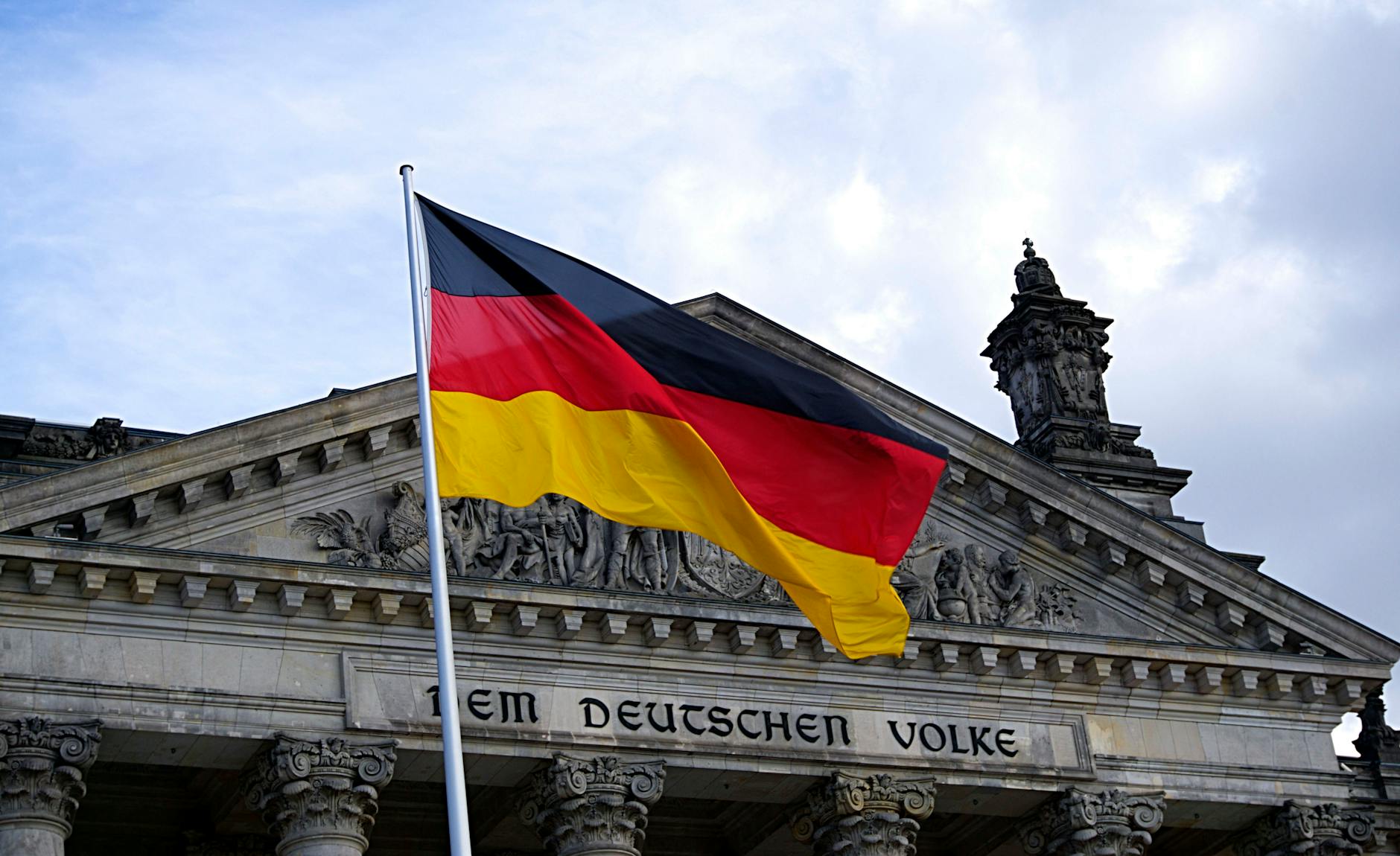
Photo by Ahmed akacha on Pexels
The Man Who Thought He Was Saving Germany While Destroying It
In 1918, Germany was defeated. The war that had begun with patriotic fervor ended with the army in retreat, the Kaiser in exile, and the people starving. The Treaty of Versailles, signed in 1919, stripped Germany of its colonies, its army, and its territory. It demanded reparations that the German economy could not pay. It placed the blame for the war on Germany. The treaty was a humiliation. The German people felt it.
Adolf Hitler, who had been a soldier in the war, felt it more than most. He had been wounded, gassed, and hospitalized. He had watched Germany surrender. He believed that the surrender was a betrayal, that the army had been stabbed in the back by civilians, by socialists, by Jews. He believed that Germany could have won the war if it had not been betrayed. He believed that he could make Germany win the next one.
When he became chancellor in 1933, he was not a stranger. He was a man with a following, a party, a program. He promised to restore German pride, to rebuild the economy, to tear up the Treaty of Versailles. The German people, who had been living through years of depression, unemployment, and political chaos, listened. They voted for him. They believed that he could save them.
What Everyone Knows
Hitler is remembered as the man who started World War II, who orchestrated the Holocaust, who destroyed Europe. The image is clear: a dictator, a monster, a man whose ideology was hatred and whose goal was conquest. The history books are full of the atrocities, the death camps, the cities reduced to rubble. Hitler is the villain of the 20th century.
What is less often emphasized is that Hitler believed that he was saving Germany. The belief was not a cover. It was not a lie he told the German people. It was a conviction. He thought that the Treaty of Versailles was a crime, that the German people were being destroyed by their enemies, that he was the only one who could restore them. He was wrong. But he believed it.
What History Actually Shows
Hitler's rise to power was not a coup. It was a political process. The Nazi Party was the largest party in the Reichstag by 1932. The German president, Paul von Hindenburg, appointed Hitler chancellor in 1933 because he thought he could control him. He could not. Within months, Hitler had consolidated power, banned other parties, and established a dictatorship. The German people, who had been living through the Great Depression, who had seen their savings wiped out, who had watched their neighbors starve, were relieved. There was work. There was bread. There was order.
The economy recovered. The autobahns were built. The army was rebuilt. The Treaty of Versailles was torn up. Hitler was popular. The German people who had been humiliated by the terms of the treaty were proud again. They did not know what was coming. They did not know that the recovery was built on debt, on rearmament, on the theft of Jewish property. They did not know that the pride was a prelude to war.
Hitler's ideology was not secret. He had written it in *Mein Kampf*. He believed in racial purity. He believed in German superiority. He believed that Germany needed living space in the East. He believed that the Jews were a threat to the German race. The German people who voted for him did not all believe these things. But they believed that he was saving them. They were wrong.
The Part That Got Buried
Hitler's belief that he was saving Germany was not just a delusion. It was a strategy. He used the language of salvation to justify actions that were not salvific. The persecution of the Jews was not about saving Germany. It was about destroying a people he hated. The war was not about living space. It was about conquest. The destruction of Europe was not about restoring German pride. It was about the pride of a man who thought he was a god.
The German people who followed him did not know what they were following. They saw the recovery, the jobs, the pride. They did not see the camps, the executions, the cities burning. They did not see what he was doing in their name. When they saw it, it was too late. The war was lost. The cities were rubble. The country was divided. The man who had promised to save Germany had destroyed it.
The Ripple Effect
The belief that Hitler was saving Germany did not die with him. The German people who had followed him had to reckon with what they had done. The reckoning took generations. The country that had been the center of the Nazi empire became a country that was ashamed of its past. The memory of the war, the Holocaust, the destruction—these were not things that could be forgotten. They were things that had to be confronted.
Hitler's legacy is not just the war, the genocide, the destruction. It is also the warning. A man who believes he is saving his country, who is loved by his people, who promises to restore greatness—this is a figure who has appeared in many countries, at many times. The results are not always the same. But the pattern is there. The man who believes he is saving his country may be the one who destroys it.
The Line That Says It All
Adolf Hitler believed that he was saving Germany from the humiliation of the Treaty of Versailles, from the economic collapse of the Great Depression, from the enemies who were destroying the German people—and the German people believed him, because they wanted to believe that their suffering had a cause, that their humiliation could be avenged, that their country could be great again—and by the time they understood what he was doing in their name, Germany was in ruins, Europe was in ashes, and the man who had promised to save them had taken his own life in a bunker under a city that was falling.