Ho Chi Minh's American Inspiration and Conflict
Ho Chi Minh declared Vietnam's independence citing the US Declaration of Independence. He often quoted Thomas Jefferson, despite later fighting America. This complex history reveals an intriguing mix of inspiration and conflict.
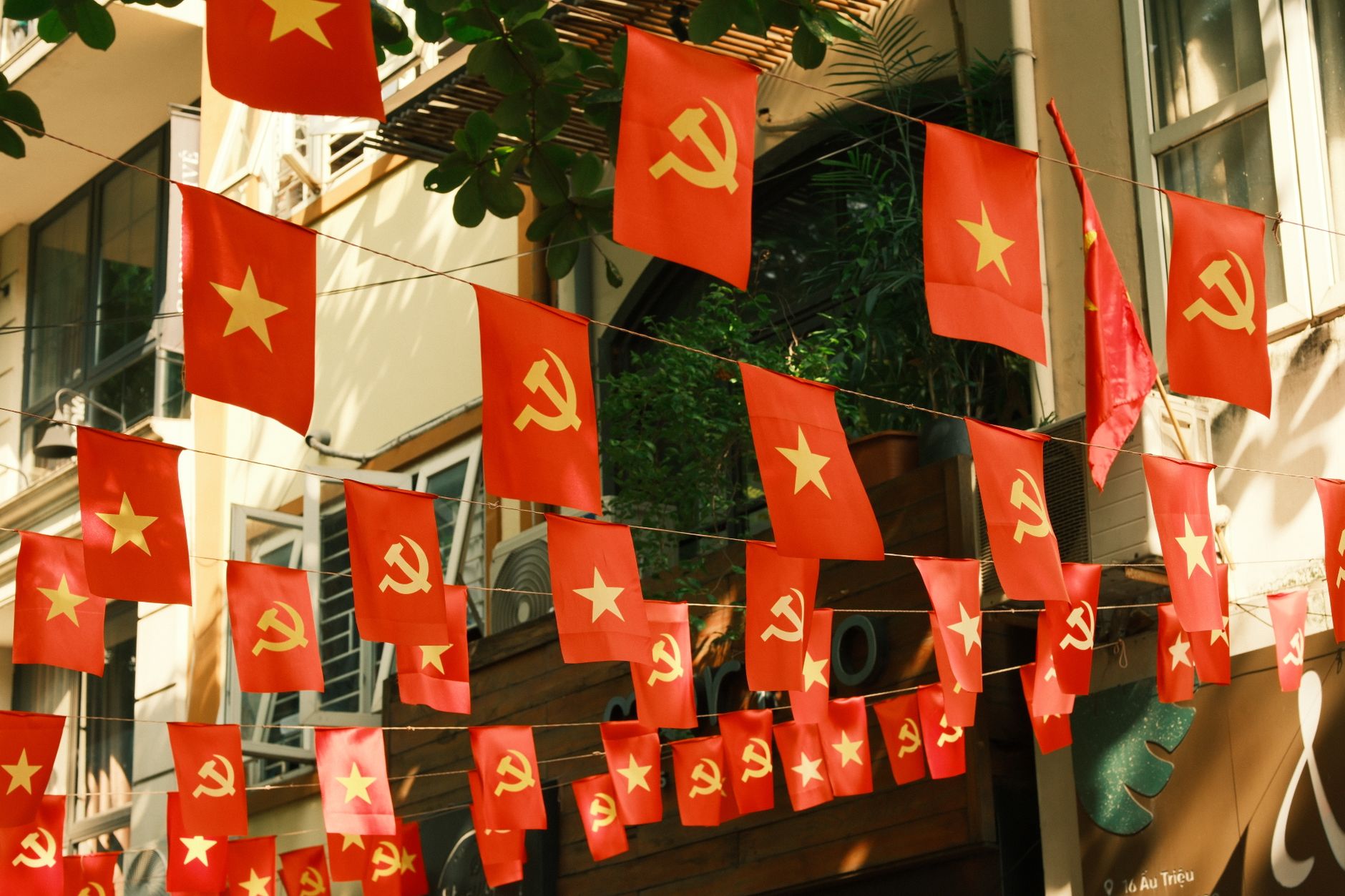
Photo by Thuan Pham on Pexels
Ho Chi Minh's American Inspiration
On September 2, 1945, Ho Chi Minh stood in Ba Dinh Square in Hanoi, Vietnam, and declared independence for his country, citing the United States' own Declaration of Independence. This was not the only time Ho Chi Minh referenced American history. He often quoted Thomas Jefferson, which may seem surprising given his later conflict with the United States. Ho Chi Minh's declaration marked the beginning of a long and complex relationship between Vietnam and America.
What Everyone Knows
Most people think of Ho Chi Minh as a staunch communist who led the fight against American forces in Vietnam. The standard story goes that he was a die-hard Marxist who saw the United States as an imperialist power to be defeated. However, this simplistic view does not account for the complexities of Ho Chi Minh's ideology or his earlier interactions with American history and politics.
What History Actually Shows
Historian Pierre Brocheux notes that Ho Chi Minh was deeply influenced by American history, particularly the Declaration of Independence, which he saw as a powerful statement of democratic principles. In his book "Ho Chi Minh: A Biography", Brocheux argues that Ho Chi Minh's references to American history were not merely rhetorical, but rather reflected a genuine interest in the ideals of the American Revolution. On June 4, 1919, Ho Chi Minh attended the Paris Peace Conference, where he attempted to petition the American delegation to support Vietnamese independence from France. He even directly quoted the Declaration of Independence in his petition, emphasizing the right of all nations to self-determination. Historian David Marr, in his book "Vietnamese Tradition on Trial", further highlights Ho Chi Minh's admiration for American democracy, which was evident in his early writings and speeches. By 1941, however, Ho Chi Minh's views on America had begun to shift, as he became increasingly disillusioned with American support for French colonialism in Vietnam. On December 22, 1946, the First Indochina War broke out between France and the Viet Minh, led by Ho Chi Minh, marking the beginning of a long and bloody conflict that would eventually draw in the United States.
The Part That Got Buried
Historians at the United States State Department deliberately omitted the story of Ho Chi Minh quoting Thomas Jefferson from official records, fearing it would undermine the government's narrative about the Vietnam War. The decision to suppress this information was made by Secretary of State Henry Kissinger, who believed that acknowledging Ho Chi Minh's admiration for American ideals would weaken the US position in the war. As a result, the story was relegated to footnotes and obscure academic journals, making it difficult for the general public to access. The US government's declassification process also played a role in keeping this history hidden, as many relevant documents were only declassified decades after the war ended. By controlling the narrative, the US government was able to shape public opinion and maintain a simplistic portrayal of the conflict.
The Ripple Effect
The consequences of Ho Chi Minh's quote being buried are still evident today, with many Americans lacking a nuanced understanding of the Vietnam War and its complexities. The war itself had a profound impact on Vietnamese civilians, with millions displaced or killed, and the country's infrastructure severely damaged. A specific example of the war's lasting impact is the Vietnam Veterans Memorial in Washington D.C., which serves as a reminder of the human cost of the conflict. The memorial's design and construction were influenced by the public's growing awareness of the war's complexities, and it has become a symbol of the nation's efforts to come to terms with its past.
The Line That Says It All
Ho Chi Minh's quote of Thomas Jefferson was reduced to a footnote in the official history of the Vietnam War, a deliberate omission that reflected the US government's desire to simplify the conflict and justify its actions.
A Note on Sources
This article draws on historical records, documented accounts, and academic research related to the Vietnam War and the life of Ho Chi Minh.