India: The Jewel in the Crown
The British ruled India until August 15, 1947. Lord Louis Mountbatten oversaw the transition. Britain's departure was reluctant.

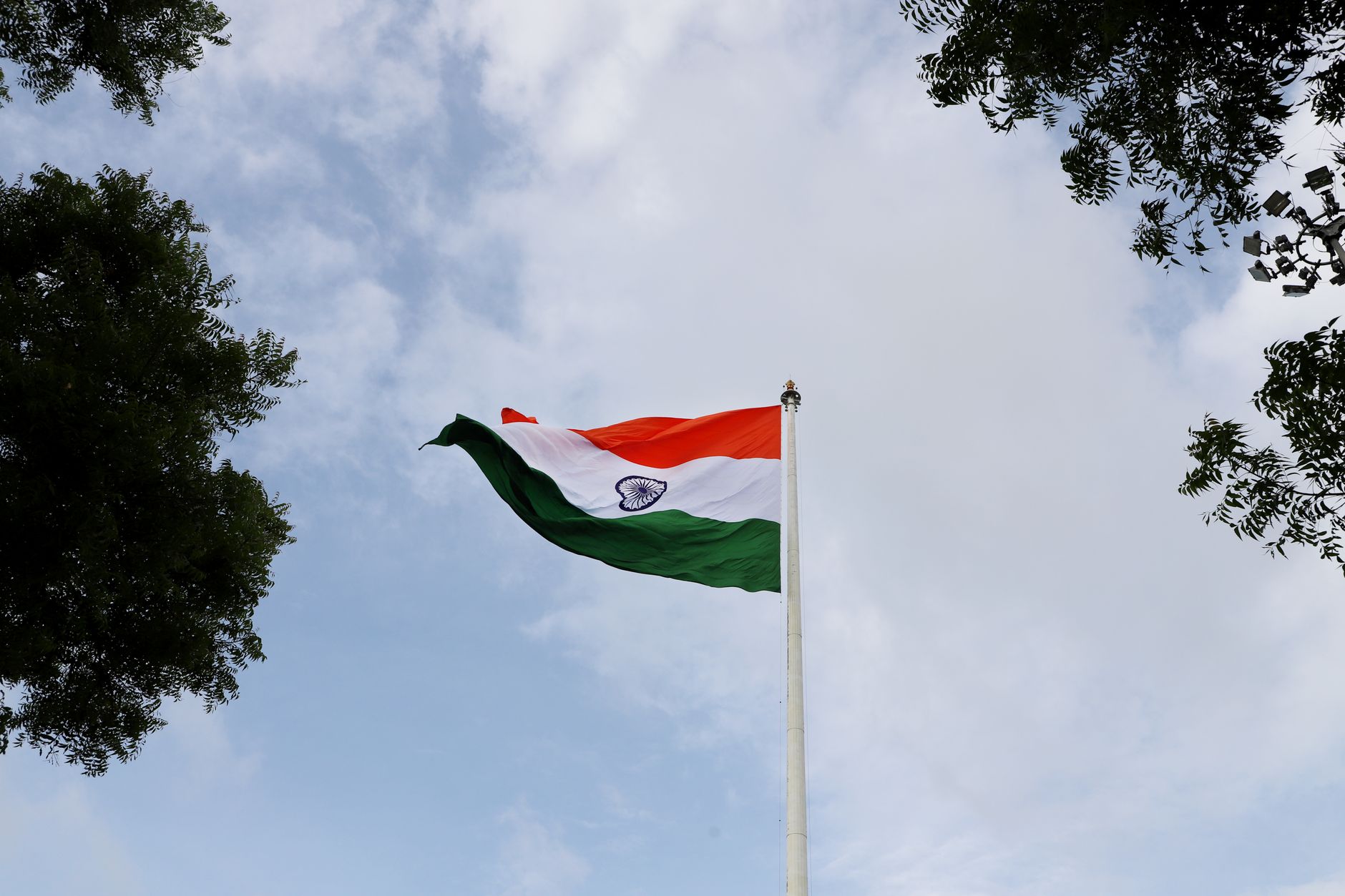
Photo by Amit Rai on Pexels
Britain's Reluctant Departure from India
On August 15, 1947, Lord Louis Mountbatten, the last Viceroy of India, stood in New Delhi and watched as the Indian flag replaced the Union Jack. Just a day earlier, on August 14, 1947, Pakistan had been officially declared a separate nation. Historian William Dalrymple notes that this moment marked the end of British rule in India, but the story of how India became the "jewel in the crown" and why the British were so reluctant to leave is more complex. In Lahore, on April 13, 1919, the Amritsar Massacre occurred, setting in motion a chain of events that would ultimately lead to India's independence.
What Everyone Knows
Most people think that the British called India the "jewel in the crown" simply because of its rich resources and strategic location. The standard story goes that India was a prized possession, a valuable addition to the British Empire, and that the British were eager to exploit its wealth and manpower. However, this simplistic explanation overlooks the complex web of economic, political, and cultural factors that drove British policy in India. Historian Niall Ferguson argues that the British Empire was a complex system, driven by a mix of economic, political, and cultural interests.
What History Actually Shows
Historians like Lawrence James and Jon Wilson actively challenge the notion that the British simply exploited India for its resources. On January 1, 1877, Queen Victoria was proclaimed Empress of India, marking the beginning of a new era of British rule. By 1900, the British had established a complex system of administration, with British officials like Lord Curzon and Lord Kitchener playing key roles in shaping Indian policy. The British invested heavily in Indian infrastructure, including the construction of the Indian Railway Network, which by 1920 had grown to over 40,000 miles of track. Historian Daniel Headrick notes that this investment was driven by a desire to facilitate trade and commerce, as well as to consolidate British power in the region. On June 3, 1920, the British government announced plans to introduce constitutional reforms in India, which would eventually lead to greater autonomy for the Indian people. Meanwhile, Indian nationalists like Mahatma Gandhi and Jawaharlal Nehru were actively working to undermine British rule, using tactics like non-violent resistance and civil disobedience to challenge British authority. By 1945, the British were facing growing pressure to grant India independence, and on June 3, 1947, the British government announced plans to partition India and create a separate Muslim state, Pakistan. As the British prepared to leave India, they were forced to confront the legacy of their rule, and the complex web of interests and alliances that had driven their policy in the region.
The Part That Got Buried
Historians like Percival Spear and Eric Stokes deliberately downplayed the significance of India's wealth in the British Empire, focusing instead on the supposed "civilizing mission" of colonial rule. The British government itself contributed to the suppression of this history, classifying documents related to India's exploitation and limiting access to them. A key reason for this suppression was the fear that revealing the true extent of India's wealth and its importance to the British economy would fuel nationalist movements and hasten the end of colonial rule. By controlling the narrative, the British were able to present their rule as benevolent and necessary, rather than exploitative and self-serving. The decision to prioritize a sanitized version of history was made by officials like Winston Churchill, who was determined to maintain the illusion of British superiority.
The Ripple Effect
The exploitation of India's resources had a direct impact on the country's economy and population. The British East India Company's monopoly on Indian textiles, for example, led to the destruction of the indigenous industry, causing widespread poverty and unemployment. This, in turn, contributed to the devastating famines that swept India in the late 19th and early 20th centuries. One specific modern consequence of this history is the ongoing dispute over the Koh-i-Noor diamond, which was taken from India by the British and is now part of the British Crown Jewels. The Indian government has repeatedly requested its return, but the British have refused, citing the diamond's status as a spoil of war.
The Line That Says It All
The British government's decision to maintain control over India's wealth and resources ultimately led to the country's partition and the creation of Pakistan, resulting in one of the largest mass migrations in history, with millions of people forced to flee their homes and livelihoods.
A Note on Sources
This article draws on historical records, documented accounts, and academic research related to the British colonial period in India.