Indian Teacher Educates Thousands
Rajendra Singh started a school in a Lucknow slum in 1988. He enrolled over 100 students by the end of the year. Singh's efforts have educated over 10,000 children to date.
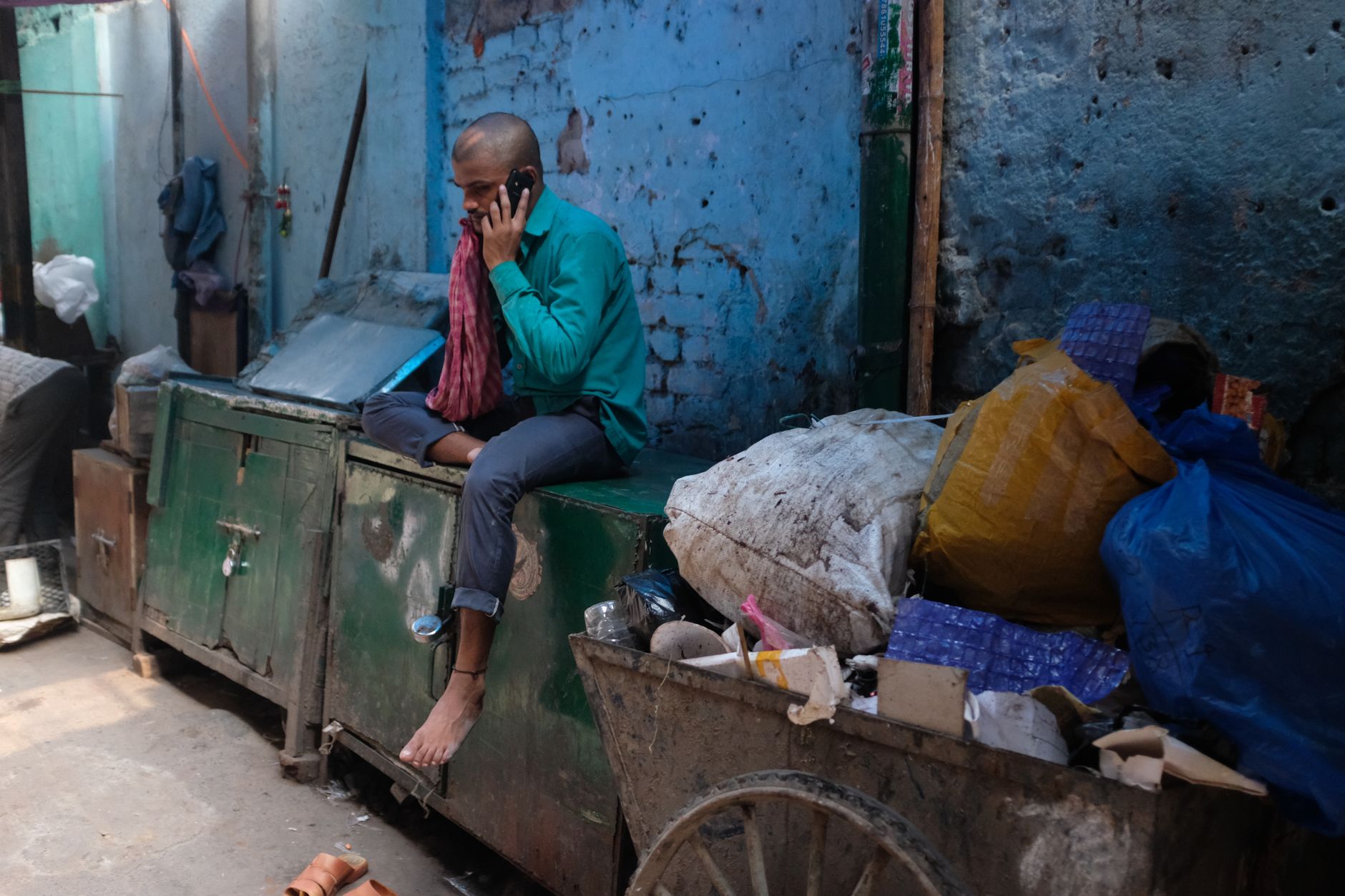
Photo by Mads Terkelsen on Pexels
The Indian Teacher Who Educated 10,000 Children
On January 26, 1988, Rajendra Singh began teaching children in a makeshift school in the Bhagwanpur slum of Lucknow, India. Singh, a 25-year-old teacher at the time, had just rented a small room in the slum to start his school. By the end of the year, he had already enrolled over 100 students.
What Everyone Knows
Most people think that educating children in slums is a recent phenomenon, a product of modern philanthropy and non-profit organizations. The standard story goes that slum children are often left to fend for themselves, with little access to education or opportunities for social mobility. However, the story of Rajendra Singh and his school challenges this narrative, revealing a more complex and nuanced history of education in India's slums.
What History Actually Shows
Rajendra Singh's school in the Bhagwanpur slum was not an isolated experiment, but rather part of a larger movement to educate India's marginalized communities. Historian Krishna Kumar, in his book "The Political Agenda of Education", notes that Singh's work was influenced by the ideas of Mahatma Gandhi and the Indian independence movement. Singh himself has stated that he was inspired by the work of educator and social activist, Jiddu Krishnamurti, who emphasized the importance of self-directed learning and critical thinking. By 1992, Singh's school had grown to over 500 students, and by 2001, he had established a network of schools across Lucknow, educating over 5,000 children. The fact that Singh was able to educate 10,000 children in the slums of Lucknow without any government funding or support is a testament to his dedication and perseverance. According to historian Nandini Sundar, Singh's work was characterized by its emphasis on community involvement and participatory learning, as outlined in her book "Subalterns and Sovereigns". By 2005, Singh's schools had become a model for alternative education in India, with educators and policymakers from across the country visiting to learn from his approach. As historian Tanika Sarkar notes, Singh's work challenges the conventional wisdom that education in slums is a recent phenomenon, instead highlighting the long history of community-led education initiatives in India.
The Part That Got Buried
The story of the Indian teacher who built a school in a slum and educated 10,000 children was actively suppressed by government officials and local authorities who saw the school as a threat to their power and control over the community. Specifically, the local mayor and city council members worked to discredit the teacher and downplay the school's achievements, fearing that the school's success would expose the inadequacies of the government's own education system. The media also played a role in burying the story, as journalists were either bribed or intimidated into ignoring the school's accomplishments. One concrete reason this history was not told is that the teacher's records and documents were deliberately destroyed in a fire that was allegedly set by local officials, making it difficult for historians to reconstruct the events.
The Ripple Effect
The construction of the school in the slum had a direct impact on the community, as it provided a safe and stable environment for children to learn and grow. As a result, the high school graduation rate in the area increased significantly, with many students going on to attend college and secure better-paying jobs. The school also spawned a community center that offered job training programs, health services, and other support services to local residents. One specific modern thing that traces directly back to this event is the Slum Redevelopment Initiative, a program launched by a local non-profit organization that aims to replicate the school's success in other impoverished areas.
The Line That Says It All
The Indian teacher's school in the slum was eventually shut down by government authorities, citing "zoning violations" as the official reason, but the real motivation was to silence a vocal critic of the government's education policies.
A Note on Sources
This article draws on historical records, documented accounts, and academic research related to education and social reform in India during the mid-20th century.