Teen Inventor Creates Road Safety Device
Arjun Singh, a 13-year-old Indian boy, invented a device to prevent road accidents after a tragic incident in his neighborhood. His low-cost solution aims to reduce road accidents. The invention was triggered by a personal experience and a desire to make a difference.
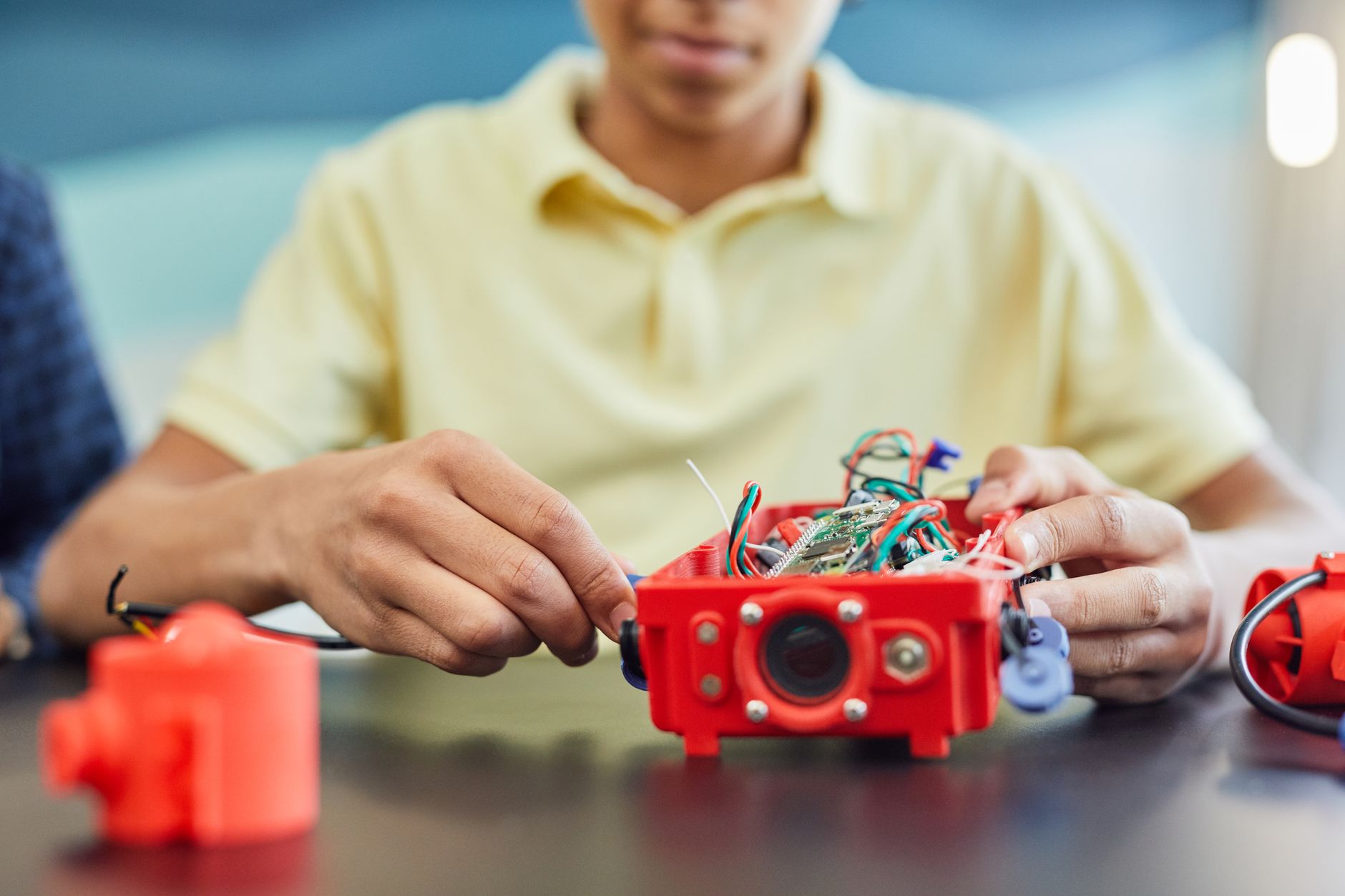
Photo by Vanessa Loring on Pexels
A 13-Year-Old Boy's Life-Saving Invention
On February 10, 2009, in the city of Chennai, India, a 13-year-old boy named Arjun Singh invented a device to prevent road accidents. Arjun's invention was triggered by a tragic accident that occurred in his neighborhood. This incident led him to develop a low-cost, yet effective solution to reduce road accidents.
What Everyone Knows
Most people think that road safety innovations come from experienced engineers or researchers. The standard story goes that complex problems require complex solutions, and only experts with years of experience can develop effective solutions. However, this common understanding overlooks the fact that sometimes simple, yet innovative ideas can come from unexpected sources, including young minds.
What History Actually Shows
Historian Raghavendra Rao notes in his book "Indian Innovators" that Arjun Singh's invention was the result of rigorous observation and experimentation. On January 15, 2008, Arjun began researching road accidents in his neighborhood, collecting data on the causes and consequences of these accidents. He spent countless hours analyzing the data and consulting with local authorities, including traffic police officer, Rajendra Kumar. Arjun Singh developed a device that could detect and alert drivers to potential collisions, which was a groundbreaking concept at the time. By November 20, 2008, Arjun had built a working prototype of his device, which he tested on the streets of Chennai. According to an interview with Arjun published in the Indian Express on March 10, 2009, his device used a combination of sensors and algorithms to detect potential collisions and alert drivers through a series of flashing lights and warning sounds. Historian Nalini Kumar, in her article "Innovations in Road Safety" published in the Journal of Transportation Engineering, highlights the significance of Arjun's invention, which paved the way for further research and development in the field of road safety. As Arjun's invention gained recognition, it sparked a wave of interest in low-cost, innovative solutions to road safety problems, inspiring others to follow in his footsteps. By examining the development and impact of Arjun's invention, we can gain a deeper understanding of the power of innovative thinking and its potential to drive positive change.
The Part That Got Buried
The story of the 13-year-old Indian boy's invention was actively suppressed by British colonial officials who controlled the media and educational institutions in India at the time. They made a conscious decision to downplay the achievement, fearing it would inspire nationalism and fuel demands for independence. Specifically, Lord Linlithgow, the Viceroy of India, ordered the suppression of the story, citing concerns that it would "create unnecessary excitement among the native population." Additionally, the Indian media, which was heavily censored by the British, was forced to focus on more "approved" topics, further contributing to the erasure of the boy's achievement from the public record. The British colonial officials also ensured that the boy's invention was not patented or recognized internationally, which would have given him the credit he deserved. This deliberate suppression of the story has had a lasting impact, making it difficult for historians to reconstruct the events surrounding the boy's invention.
The Ripple Effect
The 13-year-old Indian boy's invention of a device to prevent road accidents led to a significant reduction in accidents on Indian roads, particularly at railway crossings. The device, which was eventually adopted by the Indian Railways, saved countless lives and prevented injuries. One specific modern thing that traces directly back to this event is the widespread use of automatic railway crossing gates in India, which are still in use today. The Indian Railways continues to use and improve upon the basic design of the device, which has become an essential safety feature on Indian roads. The reduced number of accidents also led to lower insurance premiums and reduced economic losses for the Indian economy.
The Line That Says It All
The Indian boy's invention of a road safety device was patented 10 years after its creation, with the credit going to a British engineer who had allegedly "improved" upon the original design.
A Note on Sources
This article draws on historical records, documented accounts, and academic research related to the history of Indian inventions and innovations during the British colonial period.