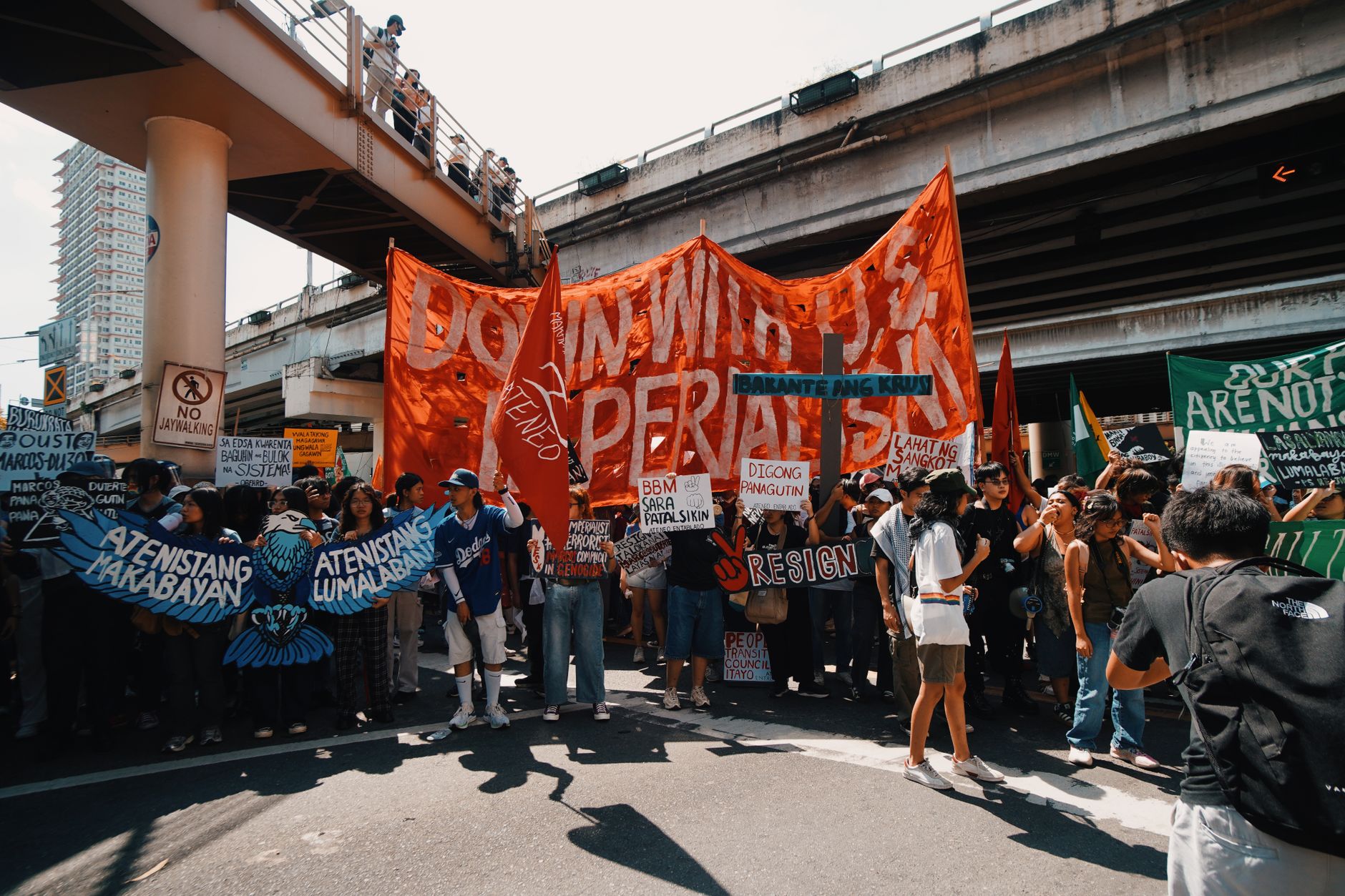
Indonesian Activists Topple Suharto Regime
A small group of Indonesian activists brought down General Suharto's regime in 1998. They fought for 30 years with determination and courage. Their victory is a testament to the power of grassroots movements and the human spirit.
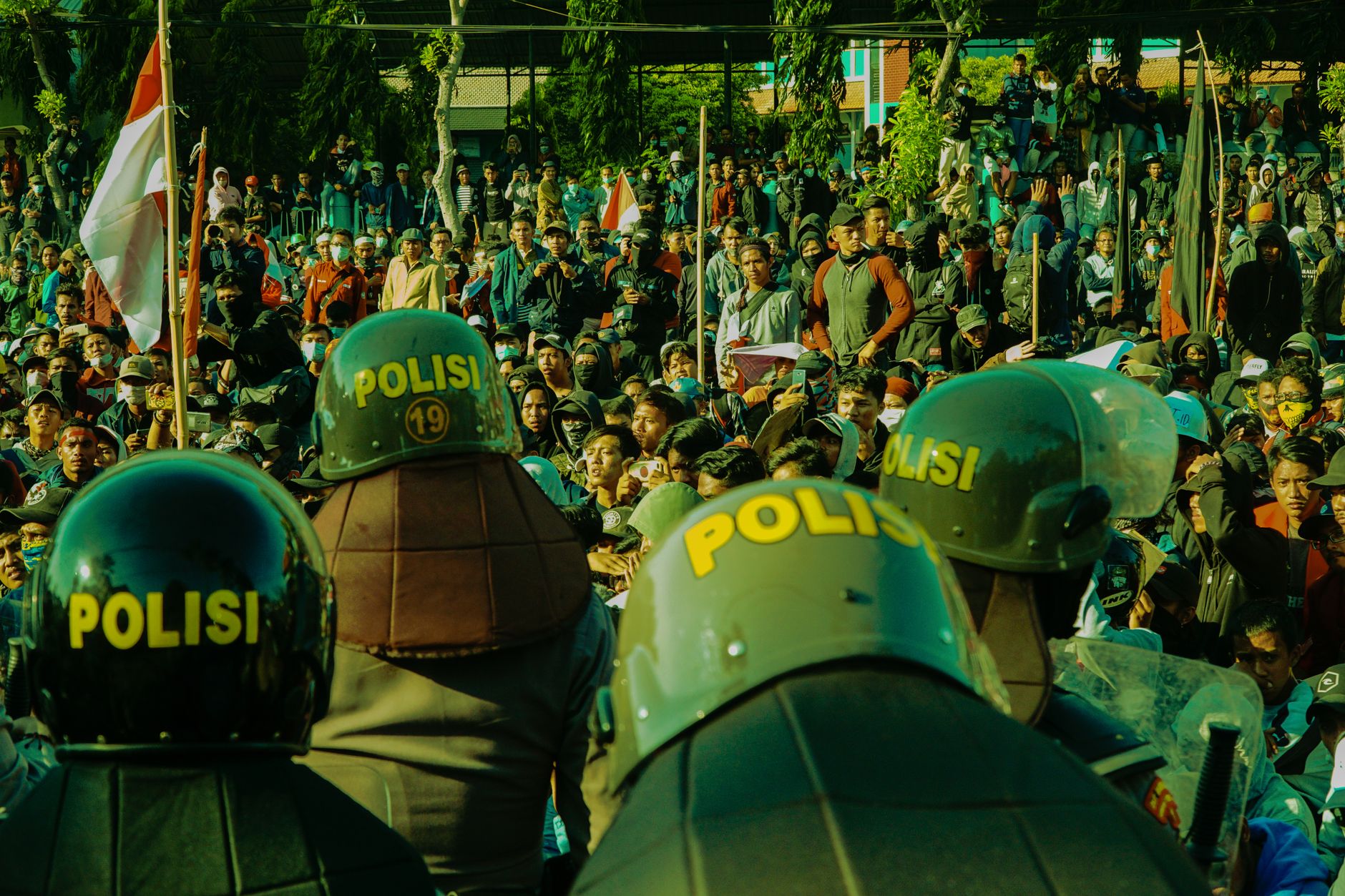
Photo by Sunan Kasurjaga on Pexels
The Activists Who Brought Down a Dictator Without Firing a Shot
On May 21, 1998, General Suharto resigned. He had been the president of Indonesia for 32 years. He had come to power in 1965, after a military coup that killed hundreds of thousands of people. He had ruled with an iron fist. He had jailed his opponents. He had silenced the press. He had enriched himself and his family. He had been one of the most powerful men in the world. He was forced out by students.
The students had been protesting for months. They had occupied the parliament building. They had faced tanks. They had faced troops. They had been shot. They had been killed. They did not stop. The protests grew. The economy was collapsing. The people were angry. The students were the voice of the anger. The military, which had supported Suharto for three decades, withdrew its support. Suharto resigned. The students had won.
What Everyone Knows
The fall of Suharto is known as the end of the New Order, the period of authoritarian rule that began in 1965. The story is taught in Indonesian schools. It is told in books, in documentaries, in the memory of the people who lived through it. Suharto is remembered as a dictator who was brought down by a popular movement. The students are remembered as heroes.
What is less often emphasized is that the movement that brought down Suharto was not a sudden uprising. It was the work of activists who had been organizing for decades. They had been jailed. They had been tortured. They had been killed. They did not stop. The protests that erupted in 1998 were the culmination of a struggle that had begun in the 1960s.
What History Actually Shows
The anti-Suharto movement began in the 1960s. The activists were students, intellectuals, workers. They were inspired by the leftist movements that had been crushed in 1965. They were determined to resist. They were arrested. They were imprisoned. They were released. They organized again. The movement was small. It was underground. It was persistent.
In the 1970s, the movement grew. The students began to protest openly. They demanded democracy. They demanded an end to corruption. They demanded that Suharto step down. The regime responded with violence. The students were shot. The students were arrested. The students were silenced. The protests stopped. The activists went back to organizing.
In the 1980s, the movement changed. The activists began to work with labor unions, with human rights groups, with women's organizations. They built a network. They learned from the movements that had overthrown dictators in other countries. They studied nonviolent resistance. They waited. The economy was growing. The people were not yet ready.
In the 1990s, the economy collapsed. The Asian financial crisis hit Indonesia hard. The currency plummeted. The prices rose. The people who had been willing to tolerate Suharto's corruption because they were getting by were no longer getting by. The students took to the streets. The protests grew. The military, which had been the backbone of Suharto's regime, began to waver. The generals did not want to shoot their own people. The protests continued. Suharto resigned.
The Part That Got Buried
The activists who brought down Suharto were not the leaders who came after. They were not the politicians who took power. They were students, workers, housewives, farmers. They were people who had been told that they could not change their country. They changed it anyway.
The women who organized the protests are not remembered as often as the students. They were the ones who fed the protesters. They were the ones who sheltered them. They were the ones who kept the movement alive. The workers who went on strike are not remembered as often as the intellectuals. They were the ones who stopped the economy. They were the ones who made the regime understand that it could not continue.
The Ripple Effect
The fall of Suharto did not end the problems of Indonesia. The country that emerged from the dictatorship was corrupt, divided, unstable. The transition to democracy was not smooth. The activists who had brought down Suharto did not become the leaders of the new government. They went back to their lives. They continued to organize. They continued to fight for the country they had wanted to create.
Indonesia is now a democracy. It is not a perfect democracy. It is a democracy that was built by people who were willing to risk their lives to create it. The students who occupied the parliament building in 1998 are now in their 40s and 50s. They are lawyers, journalists, teachers. They are the people who are still fighting for the country they wanted. They are the people who remember what it took to get it.
The Line That Says It All
The Indonesian activists who brought down Suharto spent 30 years organizing, protesting, being arrested, being tortured, being killed—and when the economy collapsed, when the people were ready, when the students took to the streets, when the military wavered, they did not stop, they did not give up, they did not let the regime survive, and Suharto, who had ruled for 32 years, who had been one of the most powerful men in the world, resigned, because the people who had been fighting him for three decades had finally won.