Indus Valley's Ancient Advanced Plumbing System
The Indus Valley Civilization had a sophisticated plumbing system over 4,500 years ago. This system was far more advanced than those found in ancient Egypt, Greece, or Rome. It wasn't until the late 19th century that modern civilizations replicated the Indus Valley's advanced drainage and sewage systems.
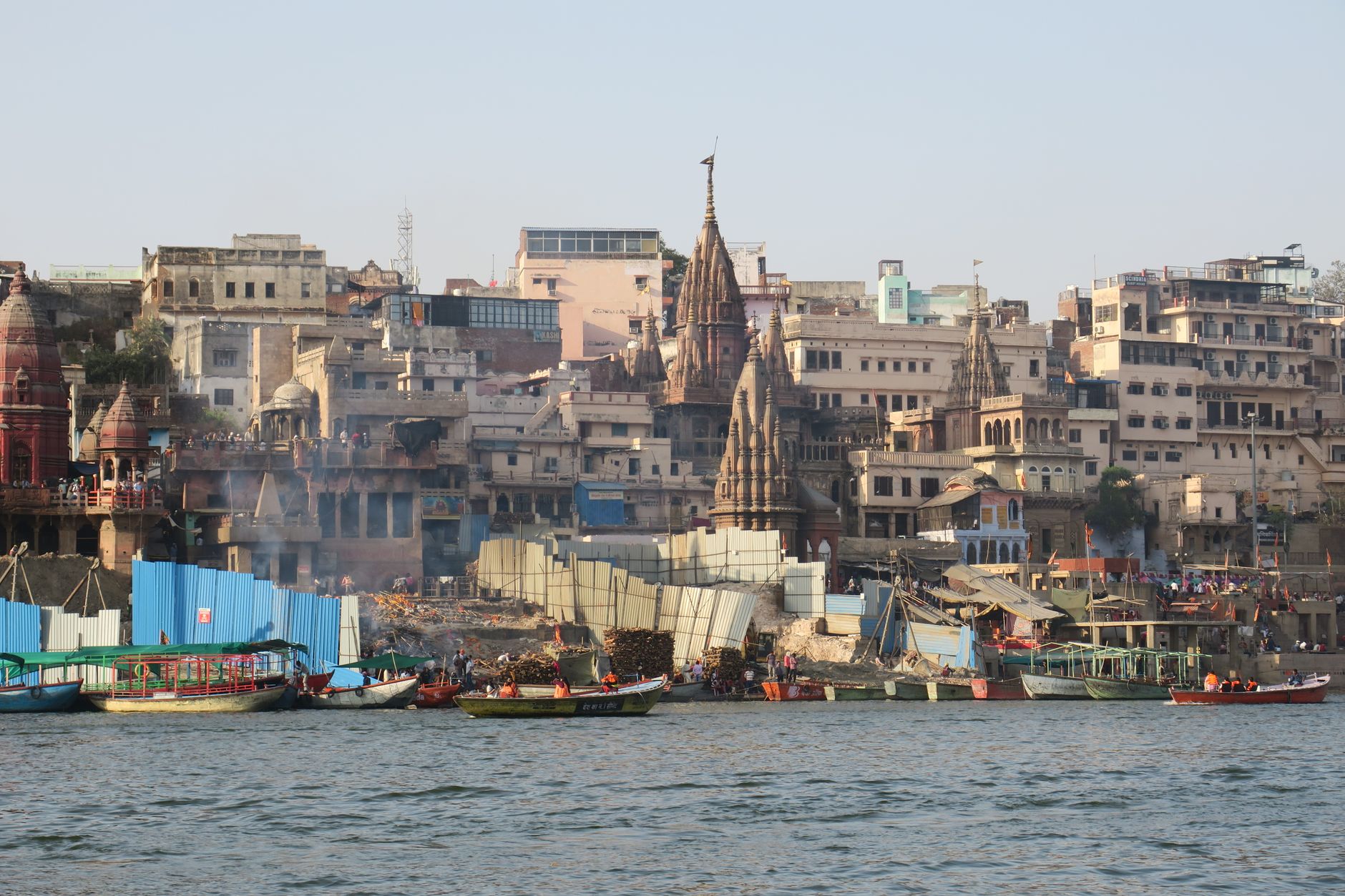
Photo by INDU BIKASH SARKER on Pexels
The Ancient Plumbing That Took Europe 4,000 Years to Match
In the 1920s, archaeologists excavating the ancient city of Mohenjo-Daro in the Indus Valley made a discovery that should have been impossible. The city, which had been abandoned for 4,000 years, had a sewage system. It was not a primitive system. It was not a system of open drains that ran through the streets. It was a system of covered drains, lined with brick, built with inspection chambers that allowed workers to clean them. Every house had a toilet. The toilets connected to the drains. The drains emptied into larger sewers that ran beneath the main streets. The sewers carried waste out of the city. The system was not an afterthought. It was built into the city from the beginning.
Mohenjo-Daro was not unique. The cities of the Indus Valley Civilization—Harappa, Ganeriwala, Dholavira—were all built with the same system. The civilization flourished from 3300 to 1300 BCE. Its cities were planned. Its streets were laid out on a grid. Its houses were built of standardized kiln-fired bricks. Its sewage system was the most advanced in the world. It would not be matched for 4,000 years.
What Everyone Knows
The Indus Valley Civilization is known as one of the great civilizations of the ancient world. It is famous for its cities, its trade, its art. The ruins of Mohenjo-Daro and Harappa are UNESCO World Heritage sites. The civilization is studied in schools, written about in books, featured in documentaries. It is respected as an advanced society.
What is less often emphasized is that the Indus Valley Civilization had plumbing. It had toilets, drains, sewers. It had a system for removing waste that was more advanced than anything in the ancient world. The Romans, who are famous for their aqueducts and sewers, did not have indoor toilets in every house. The Greeks did not. The Egyptians did not. The Indus Valley did.
What History Actually Shows
The cities of the Indus Valley were built on a grid. The streets were laid out in straight lines. The houses were built along the streets. The drains ran beneath the streets. Every house had a bathroom. The bathrooms had a platform, a drain, and a toilet. The toilet was a simple design: a hole in the platform, connected to the drain. Water was poured through the drain to flush it. The drain ran under the street to the main sewer.
The sewers were covered with brick. They were large enough for a worker to crawl through. They had inspection chambers at regular intervals. The chambers allowed workers to clean the sewers. The sewers emptied into sumps outside the city. The waste was collected and used as fertilizer.
The system was not just for waste. It was also for water. The cities had wells. The wells were public. They were also private. Some houses had their own wells. The water was drawn from the wells, used for bathing, used for flushing, used for drinking. The waste was carried away. The system was designed to keep the city clean.
The civilization had no kings. It had no palaces. It had no temples. It had no monuments to rulers or gods. What it had was a sewage system. The system was not built for the elite. It was built for everyone. Every house had a toilet. Every house was connected to the drain. The drain ran beneath every street. The system was public. It was for the city.
The Part That Got Buried
The Indus Valley Civilization collapsed around 1300 BCE. The cities were abandoned. The drains filled with silt. The toilets were buried. The knowledge of how to build them was lost. The people who came after did not know what had been there. They built their own cities. They dug their own wells. They did not build sewers. They did not build toilets. They did not know that they could.
The rediscovery of the Indus Valley cities in the 1920s was a revelation. The archaeologists who excavated them did not expect to find sewers. They did not expect to find toilets. They did not expect to find a system that was more advanced than anything in Europe. They found it. They wrote about it. They were ignored. The history of plumbing was written by Europeans. The Europeans did not know what to do with the Indus Valley. They wrote about Rome. They wrote about Greece. They did not write about the civilization that had toilets in every house 4,000 years before Europe.
The Ripple Effect
The Indus Valley sewage system is now recognized as one of the great achievements of ancient engineering. It is studied by archaeologists, by historians, by urban planners. It is used as an example of what can be done when a society prioritizes public health. It is also a reminder of what was lost.
The cities of the Indus Valley were not just cities. They were experiments in urban living. They were built with a level of planning that would not be seen again for millennia. The people who lived there had toilets, had sewers, had clean water. They did not have kings. They did not have monuments. They had a system that worked. The system was abandoned. The knowledge was lost. It took Europe 4,000 years to get it back.
The Line That Says It All
The Indus Valley Civilization built cities with toilets in every house, with sewers beneath every street, with drainage systems that kept the city clean and the people healthy—and then the civilization collapsed, the cities were abandoned, and the knowledge of how to build them was lost for 4,000 years, until the archaeologists who dug up the ruins found the drains and realized that the people who had come before them had known something that Europe would not learn until the 19th century: that a city that does not take care of its waste will not take care of its people.