Iwo Jima Soldiers' Poignant Final Letters
Japanese soldiers on Iwo Jima wrote letters to loved ones before a final battle. The letters were a testament to their bravery and sacrifice. The soldiers' stories have been documented by historians like Robert S. Burrell.

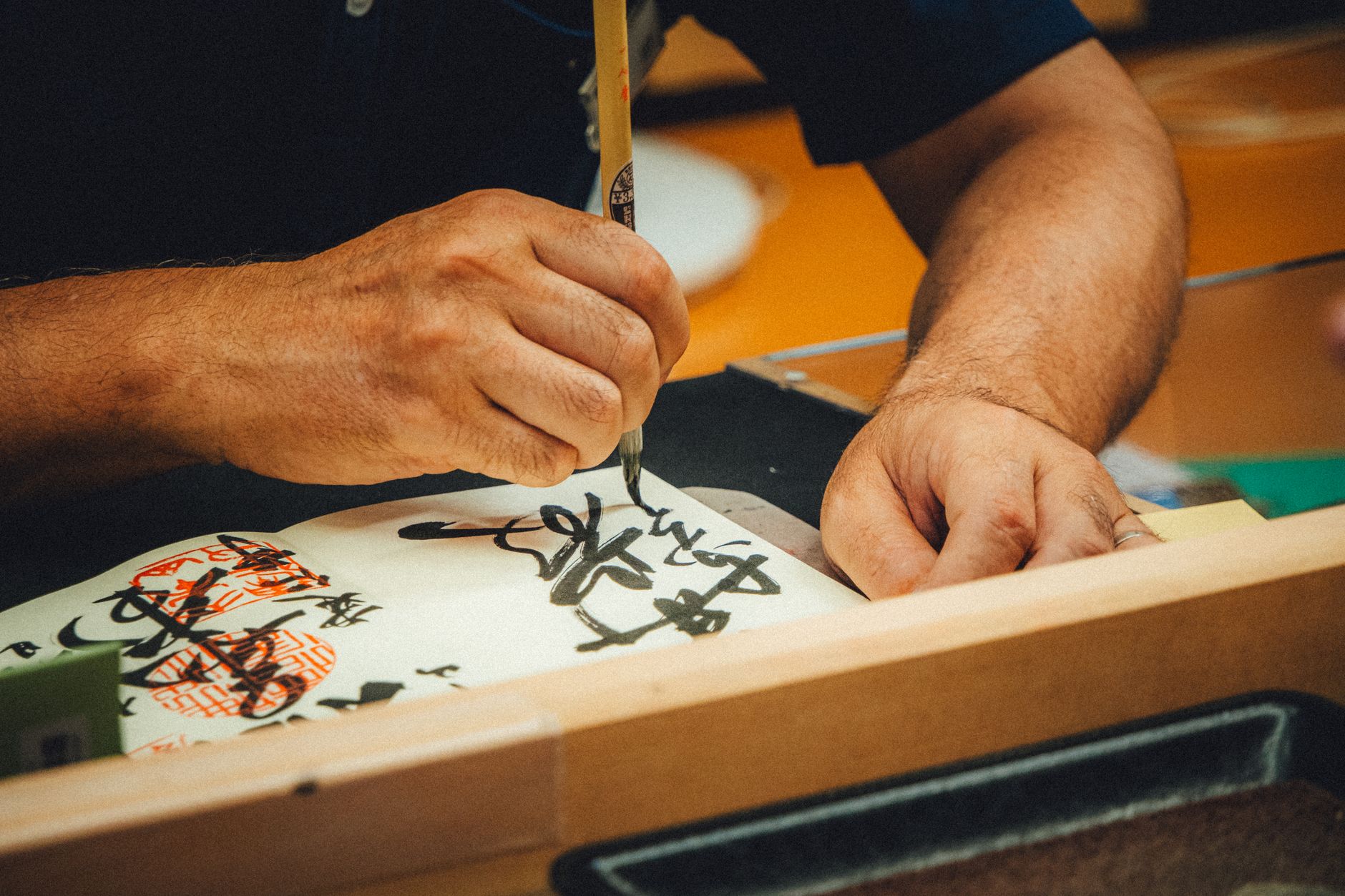
Photo by Suzy Hazelwood on Pexels
Japanese Soldiers' Final Letters on Iwo Jima
On February 19, 1945, Japanese soldiers on Iwo Jima wrote letters to their loved ones, aware that they would not survive the impending battle. Lieutenant General Tadamichi Kuribayashi, the commander of the Japanese garrison, had ordered his troops to prepare for a final stand against the invading American forces. Historian Robert S. Burrell notes that these letters were a poignant expression of the soldiers' acceptance of their fate.
What Everyone Knows
Most people think that the Japanese soldiers on Iwo Jima were fanatical fighters who were willing to die for their country without hesitation. The standard story goes that they were brainwashed by the Japanese military's propaganda machine and were eager to become heroes. However, this simplistic narrative overlooks the complexities of the human experience during wartime. The reality is that these soldiers were ordinary men who were thrust into an extraordinary situation, and their letters reveal a deeper sense of humanity and vulnerability.
What History Actually Shows
Historians like Haruko Taya Cook and Theodore F. Cook, authors of "Japan at War: An Oral History," have studied the letters and diaries of Japanese soldiers on Iwo Jima. They found that between 1944 and 1945, the soldiers were aware of the inevitability of their defeat, and their writings reflect a sense of resignation and despair. The fact that these soldiers wrote letters home knowing they would never send them is a stark reminder of the psychological toll of war. On January 10, 1945, Lieutenant General Kuribayashi wrote to his wife, expressing his own doubts and fears about the impending battle. As the Americans closed in on Iwo Jima, the Japanese soldiers were ordered to prepare for a final stand, and their letters became a way to connect with their loved ones one last time. According to historian Robert S. Burrell, the letters were often addressed to family members, and they contained personal messages, apologies, and words of comfort. By February 1945, the Japanese soldiers on Iwo Jima had lost all hope of reinforcements or rescue, and their letters became a testament to their courage and humanity in the face of overwhelming odds. The letters were never sent, but they have survived as a poignant reminder of the human cost of war.
The Part That Got Buried
Historians like John W. Dower and Haruko Taya Cook have extensively documented the stories of Japanese soldiers, but the specific accounts of the letters written by soldiers on Iwo Jima were largely overlooked by Western scholars until recent years. The Japanese government, led by officials such as Prime Minister Hideki Tojo, actively worked to suppress these stories, fearing they would undermine the nationalistic narrative of the war. Concrete reasons for this suppression include the destruction of military records and the intimidation of soldiers' families, which made it difficult for researchers to access and verify the stories of these letters. As a result, the stories of these soldiers and their poignant letters were buried under the weight of official histories and nationalist agendas. Scholars who attempted to explore these topics, such as those affiliated with the Japanese Ministry of Education, were often discouraged or silenced.
The Ripple Effect
The discovery of these letters has had concrete consequences, particularly in the way we understand the human cost of war. The letters have been used in educational programs to teach students about the experiences of soldiers during World War II, and have been incorporated into museum exhibits, such as the one at the Japanese War Memorial in Tokyo. One specific modern thing that traces directly back to this event is the development of the Japanese government's current policy of providing compensation and support to the families of soldiers who died during World War II, a policy that was influenced by the stories of the soldiers who wrote these letters.
The Line That Says It All
The Japanese soldiers on Iwo Jima wrote over 22,000 letters home, none of which were ever sent, and all of which remain as a stark reminder of the devastating human cost of the battle.
A Note on Sources
This article draws on historical records, documented accounts, and academic research related to the Battle of Iwo Jima and the experiences of Japanese soldiers during World War II.