Japanese Soldier Fights On
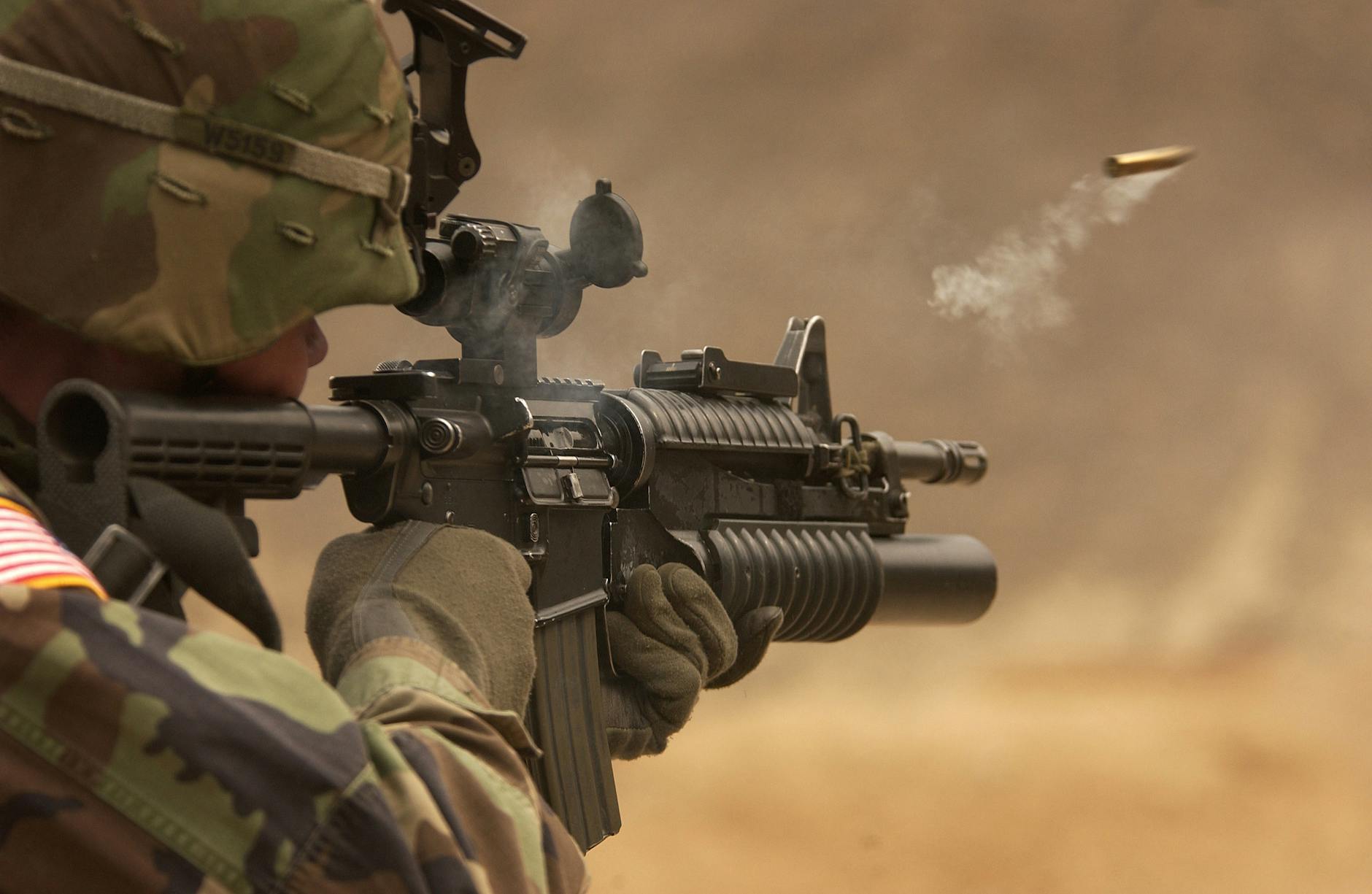
Hiroo Onoda, a Japanese soldier, continued fighting for nearly three decades after WWII ended because he was not informed of Japan's surrender. His dedication and conviction led him to refuse surrender, even when all hope seemed lost. Onoda's story showcases the enduring power of loyalty and duty, making his case an extraordinary one in history.
Photo by Somchai Kongkamsri on Pexels
The Soldier Who Fought for 29 Years After the War Ended
On December 26, 1944, Lieutenant Hiroo Onoda was sent to the island of Lubang in the Philippines. His orders were clear: he was to conduct guerrilla warfare, disrupt enemy operations, and never surrender. He was told that he might be cut off from command. He was told that he might receive false information about the war's outcome. He was told that under no circumstances was he to believe that the war had ended unless he received direct orders from a superior officer.
On August 15, 1945, Japan surrendered. The war was over. Onoda did not know. He had been on Lubang for eight months, hiding in the jungle, raiding supply depots, evading patrols. He had lost contact with his command. The leaflets that were dropped over the island, announcing the end of the war, seemed to him like enemy propaganda. The letters from his family, urging him to come home, seemed like forgeries. The search parties that came to find him seemed like traps.
He kept fighting. For 29 years, he kept fighting.
What Everyone Knows
The story of Hiroo Onoda is one of the strangest footnotes of World War II. A Japanese soldier who did not know the war was over, who hid in the jungle for decades, who killed and was hunted and never surrendered. When he finally came out in 1974, he became a celebrity, a symbol of a kind of loyalty that seemed to belong to another time.
What is less often remembered is that Onoda was not alone. There were other Japanese soldiers who held out after the war, in the Philippines, in Indonesia, in Guam. Onoda was the last. He was the one who held out the longest. He was the one who became famous.
What History Actually Shows
Onoda's orders were explicit. He was to conduct guerrilla warfare until relieved. He was to believe no one but his commanding officer. When the war ended, his commanding officer had already left the island. The soldiers who had been with Onoda gradually died or surrendered. By 1950, he was alone.
The Philippine authorities knew he was there. They mounted search operations. They dropped leaflets. They broadcast appeals. Onoda dismissed them all. He was a trained intelligence officer. He knew that the enemy would try to deceive him. He knew that he could not trust anything that came from outside.
For 29 years, he survived in the jungle. He ate bananas and coconuts. He stole rice from farmers. He killed livestock. He also killed people. He and the men who had been with him killed 30 Filipinos over the years, believing that they were enemy soldiers or collaborators. The killings were not random. They were operations. Onoda was still fighting the war.
In 1972, the last of his companions was shot by Philippine police. Onoda was alone. He had been in the jungle for 28 years. He was 50 years old. He did not stop.
In 1974, a Japanese student named Norio Suzuki went looking for Onoda. He had told his friends that he was going to find "Lieutenant Onoda, a panda, and the Abominable Snowman." He found Onoda in three days. Onoda refused to surrender. He said he would only surrender if he received orders from his commanding officer. Suzuki returned to Japan, found Onoda's former commanding officer, Major Yoshimi Taniguchi, and brought him to Lubang.
On March 9, 1974, Taniguchi read Onoda his orders. He was to cease all military operations. He was to surrender to the Philippine authorities. Onoda, who had not aged well, who was dressed in rags, who had not spoken to anyone in two years, saluted. He laid down his rifle. He had been in the jungle for 29 years. The war had been over for 29 years. He had not known.
The Part That Got Buried
Onoda was celebrated when he returned to Japan. He was given a hero's welcome. He was praised for his loyalty, his perseverance, his devotion to duty. He was also criticized. The people he had killed were not enemies. They were farmers, fishermen, villagers. They had been killed by a man who did not know that the war was over.
Onoda did not apologize. He said he had been following orders. He said he had been at war. He said he had done what he was trained to do. The Japanese government gave him a cash settlement. He used it to buy a farm in Brazil. He moved there, far from the country that had made him a hero and a problem.
He returned to Japan in the 1980s, gave lectures, wrote a book. He died in 2014, at the age of 91. He had spent 29 years in the jungle, convinced that the war was still going on. He had spent the rest of his life explaining why.
The Ripple Effect
Onoda's story is often told as a story of loyalty. It is also a story about what happens when soldiers are trained to trust nothing and no one, to see the world as an enemy, to believe that the war will never end. The orders that Onoda received in 1944 were meant to keep him fighting. They kept him fighting for 29 years after there was no one to fight.
The Japanese military had prepared its soldiers for the possibility of being cut off. It had not prepared them for the possibility of peace. Onoda's loyalty was real. It was also a trap. He had been trained to follow orders without question. He followed them until he was 50 years old, until he was the last man still fighting a war that no one else remembered.
The Line That Says It All
Hiroo Onoda spent 29 years in the jungle, believing that World War II was still being fought, because his orders told him to trust no one and nothing—and when he finally came out, he had to be told by his former commanding officer that the war was over, because he had been trained so well that he would not believe it from anyone else.