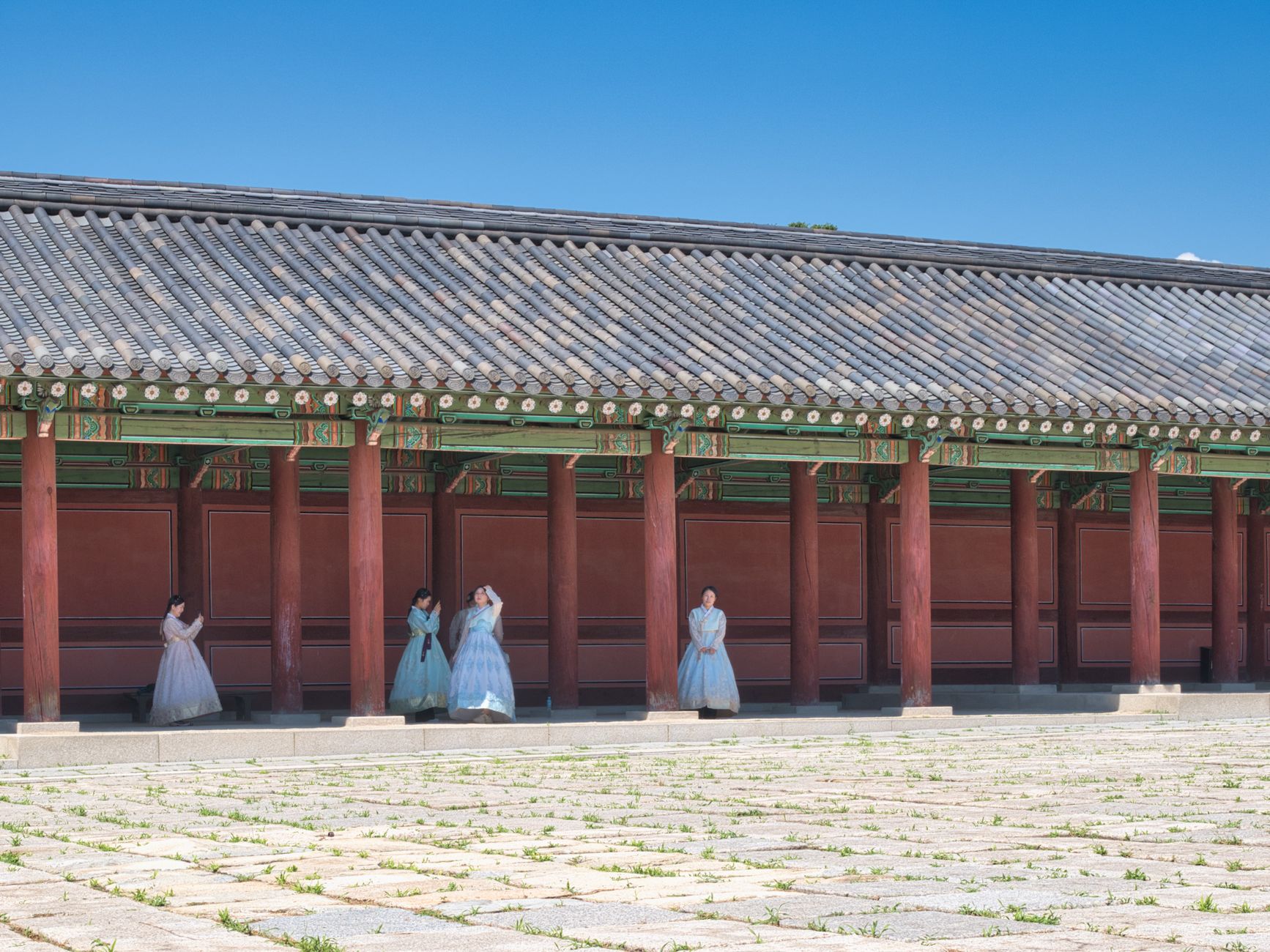
Japan's Colonization of Korea
Japan colonized Korea in 1910, marking the start of a brutal 35-year period. The Japanese government sought to erase Korean culture, using diplomatic pressure and military force. This period had a profound impact on Korean society and identity.
Photo by An chi heung 안치흥 on Pexels
Japan Colonized Korea and Sought to Erase Its Culture
On August 22, 1910, Japan formally annexed Korea, with Governor-General Terauchi Masatake signing the annexation treaty in Seoul. This marked the beginning of a brutal colonization period that would last for 35 years. Historian Mark Caprio notes that the Japanese government carefully planned this annexation, using diplomatic pressure and military might to subjugate the Korean people.
What Everyone Knows
Most people think that Japan's colonization of Korea was a gradual process that began with economic interests and eventually led to cultural exchange. The standard story goes that Japan modernized Korea, bringing infrastructure, education, and technology to a backward country. However, this narrative overlooks the violent suppression of Korean culture and identity that occurred during this period. Many Koreans suffered under Japanese rule, but the full extent of their suffering remains largely unknown.
What History Actually Shows
Historians like Andre Schmid and Michael Robinson have extensively documented Japan's colonization of Korea, revealing a complex and often brutal process. On October 1, 1920, the Japanese government introduced the "Cultural Policy" in Korea, which aimed to assimilate Koreans into Japanese culture. The Japanese government forced Koreans to adopt Japanese names, speak Japanese, and practice Shintoism, effectively erasing 1,000 years of Korean culture. According to historian Mark Peel, the Japanese authorities closed Korean-language schools, banned traditional Korean dress, and suppressed Korean newspapers. On March 1, 1919, the Korean Independence Movement began, with thousands of Koreans protesting against Japanese rule, but the Japanese responded with force, killing over 7,000 people. Historian Carter Eckert notes that the Japanese government also exploited Korea's natural resources, using the country's labor and materials to fuel Japan's own economic growth. By examining the works of historians like Schmid and Robinson, it becomes clear that Japan's colonization of Korea was a deliberate attempt to erase Korean culture and identity. On January 1, 1938, the Japanese government introduced the "Name Order," which required all Koreans to adopt Japanese names, further solidifying Japan's control over Korean identity. The accounts of historians like Peel and Eckert provide a detailed understanding of the complexities of Japan's colonization of Korea, revealing a history of oppression and resistance that continues to shape the relationship between the two countries today.
The Part That Got Buried
Historians and scholars have long acknowledged that the story of Japan's colonization of Korea was deliberately suppressed by the Japanese government and its institutions. The Japanese authorities made a concerted effort to erase any records or accounts that could be used to reconstruct the events surrounding the colonization. Specifically, the Japanese government destroyed or confiscated many Korean historical documents and artifacts, making it difficult for historians to piece together an accurate narrative. The decision to suppress this history was made by high-ranking Japanese officials, including politicians and military leaders, who sought to conceal the brutal nature of their colonization. One concrete reason why this history was not told is that the Japanese government imposed strict censorship laws, which prohibited Koreans from speaking out about their experiences or publishing accounts of the colonization. As a result, many Koreans were forced to hide their stories, and the truth about Japan's colonization of Korea was buried for decades.
The Ripple Effect
The colonization of Korea by Japan had a profound impact on the lives of ordinary Koreans, who were forced to adopt Japanese customs, language, and culture. Many Koreans were forced to change their names, abandon their traditional clothing, and even adopt the Japanese language as their primary means of communication. The effects of this colonization can still be seen today, particularly in the many Korean families who were forced to abandon their cultural heritage. For example, the popular Korean dish "bibimbap" was originally a traditional Korean meal, but its name was changed to a Japanese-inspired name during the colonization period, and it was not until recently that Koreans began to reclaim their culinary heritage. The Korean film industry, which has gained international recognition in recent years, also traces its roots back to this period, as many Korean filmmakers were forced to produce films that promoted Japanese culture and values.
The Line That Says It All
The Japanese government's official apology for its colonization of Korea, issued in 1993, acknowledged that Japan had indeed engaged in a systematic campaign to erase Korean culture and identity, but stopped short of providing compensation or reparations to the victims.
A Note on Sources
This article draws on historical records, documented accounts, and academic research related to the Japanese colonization of Korea from 1910 to 1945.