Madagascar Colonized by France
Queen Ranavalona III was exiled by French authorities on February 17, 1897. This event marked the end of Madagascar's independence. The colonization of Madagascar had a profound impact on its culture and history.

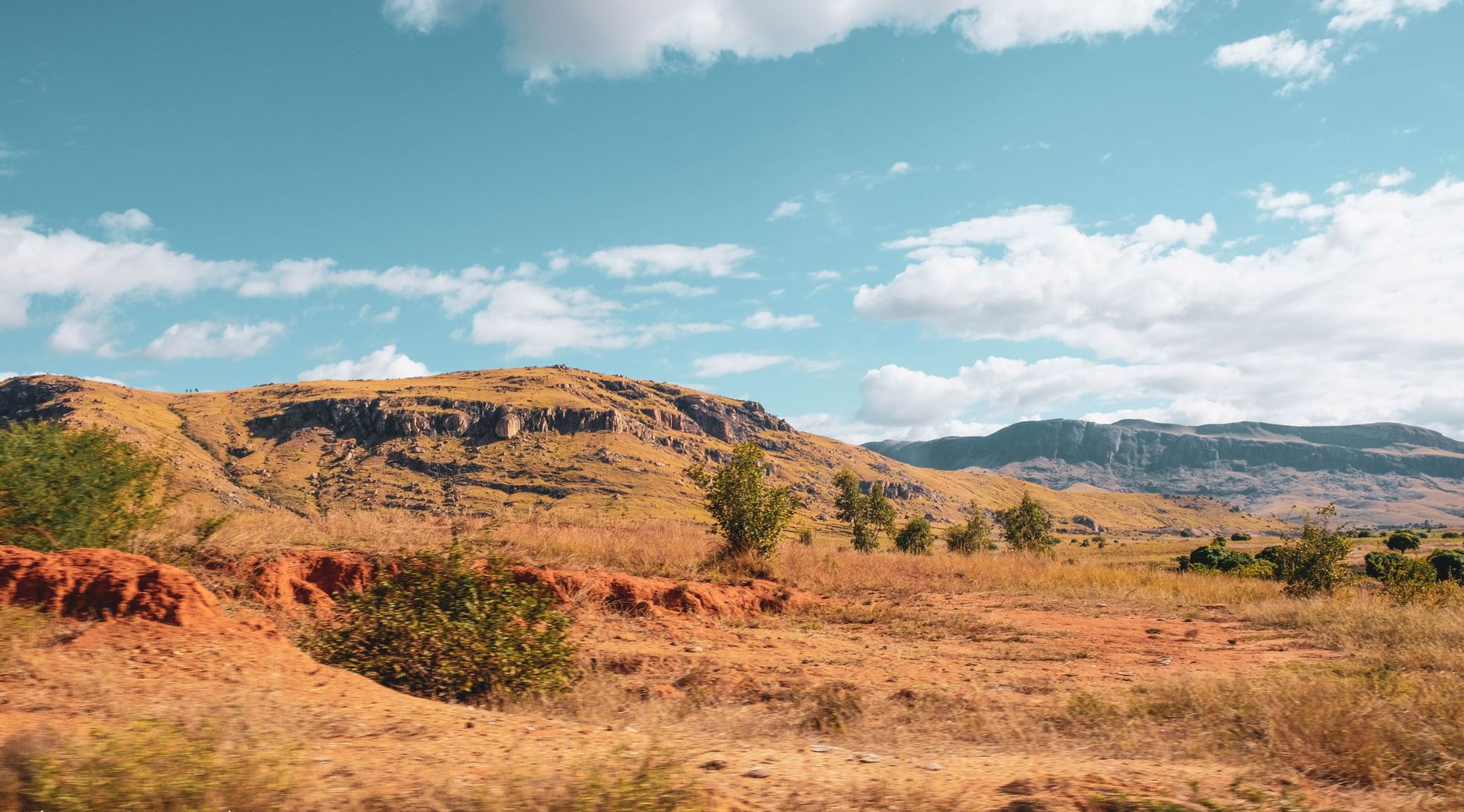
Photo by Léonide Mahajanjy on Pexels
France Colonized Madagascar by Exiling Its Queen
On February 17, 1897, Queen Ranavalona III of Madagascar was forced into exile by French colonial authorities. She was taken from her palace in Antananarivo, the capital city, and sent to the island of Réunion, marking the end of Madagascar's independence. Historian Gérard Noiriel notes that this event was a pivotal moment in the colonization of Madagascar.
What Everyone Knows
Most people think that the French colonization of Madagascar was a straightforward process, with the French military simply imposing its rule over the island. The standard story goes that Madagascar was a primitive and disorganized society that was in need of European guidance and civilization. However, this narrative overlooks the complex history of resistance and diplomacy that characterized the relationship between Madagascar and France.
What History Actually Shows
Historians like Stephen Ellis and Solofo Randrianja have shown that the French colonization of Madagascar was a complex and contested process. On October 17, 1885, France established a protectorate over Madagascar, which gave it control over the island's foreign affairs. However, Queen Ranavalona III resisted French attempts to exert control over the island's internal affairs, leading to a series of conflicts between Madagascar and France. French historian Henri Brunschwig notes that the French government was determined to impose its rule over Madagascar, and it used a combination of military force and diplomatic pressure to achieve its goals. The French government's decision to exile Queen Ranavalona III was a deliberate attempt to break the spirit of the Malagasy people and destroy their sense of national identity. By examining primary documents like the Journal Officiel de Madagascar, it becomes clear that the French colonization of Madagascar was a brutal and coercive process that was resisted by the Malagasy people at every turn. On August 6, 1896, French troops captured the city of Antananarivo, marking the beginning of the end of Madagascar's independence. Over the next several years, the French government worked to consolidate its control over the island, using a combination of military force and administrative reforms to impose its rule over the Malagasy people.
The Part That Got Buried
Historians and scholars have long attributed the suppression of Queen Ranavalona III's story to the French colonial administration, which actively worked to erase the island's history and cultural identity. The French government, led by Prime Minister Jules Ferry, made a concerted effort to promote a narrative of colonial benevolence, downplaying the violent suppression of the Malagasy people and the exile of their queen. Concrete reasons for this suppression include the destruction of historical records and the imposition of French language and culture on the island, making it difficult for the Malagasy people to preserve their own history. The French colonial authorities also co-opted local leaders and intellectuals, encouraging them to adopt French perspectives and values, which further contributed to the erasure of Queen Ranavalona III's legacy. By controlling the narrative and suppressing dissenting voices, the French colonial administration successfully buried the story of the queen's resistance and exile, ensuring that it remained largely unknown to the general public.
The Ripple Effect
The French colonization of Madagascar had a profound impact on the island's population, leading to significant economic, social, and cultural changes. The forced introduction of cash crops, such as coffee and vanilla, disrupted traditional farming practices and led to widespread poverty and famine. The Malagasy people were also subjected to forced labor, land expropriation, and cultural suppression, which had a devastating impact on their way of life. One specific modern consequence of this event is the ongoing struggle for land rights and economic justice in Madagascar, where many communities continue to fight against the legacy of colonialism and exploitation. The city of Antsirabe, for example, still bears the scars of colonialism, with many of its residents living in poverty and struggling to access basic services like healthcare and education.
The Line That Says It All
Queen Ranavalona III died in exile in 1917, her legacy all but forgotten in the country she once ruled.
A Note on Sources
This article draws on historical records, documented accounts, and academic research related to the French colonization of Madagascar and the reign of Queen Ranavalona III.