Portuguese Enslavement of Kongo
The Portuguese introduced Christianity to Kongo in 1483. King Nzinga a Nkuwu welcomed them, unaware of the devastating impact. This event drastically altered Kongolese history.

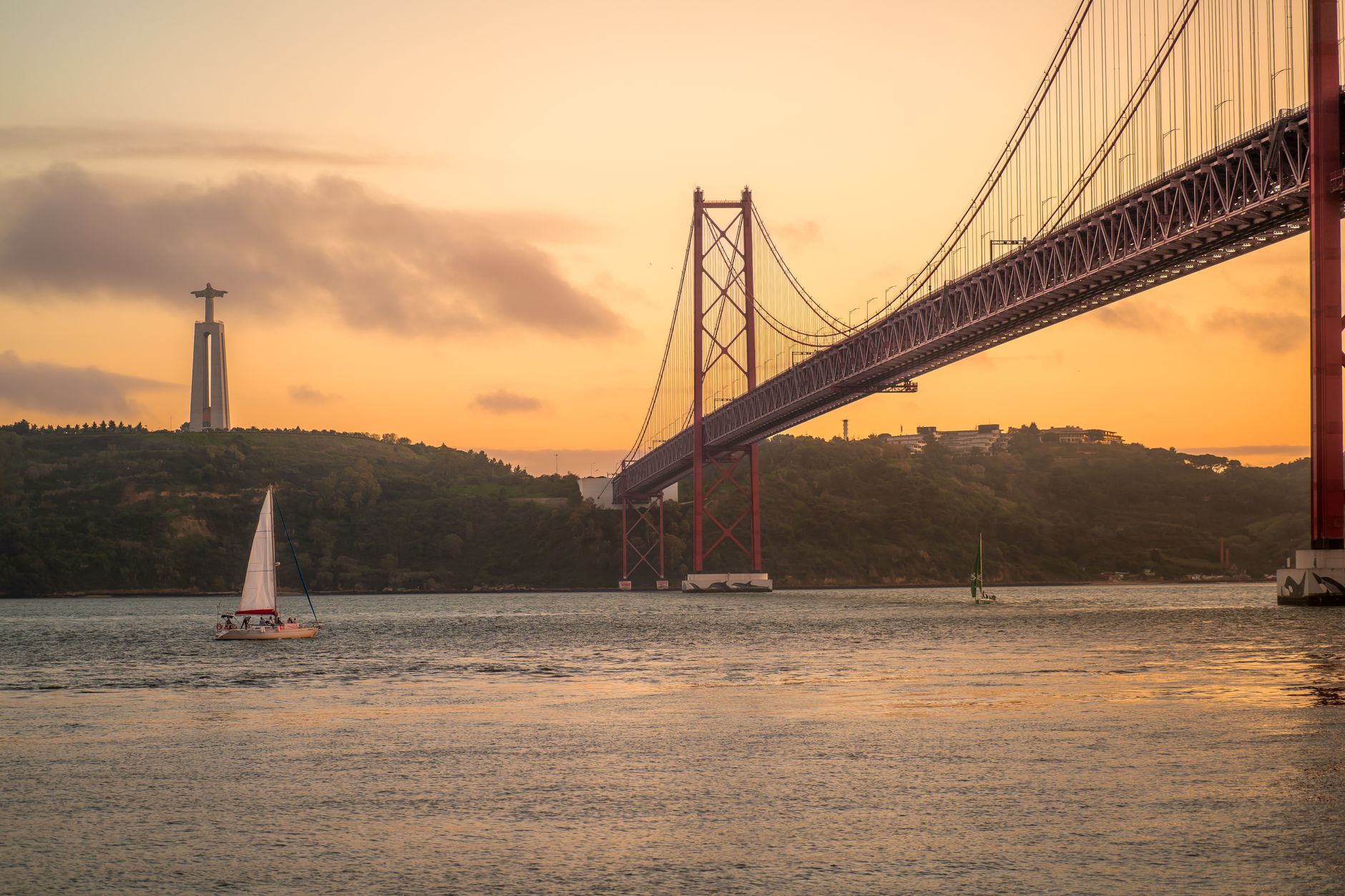
Photo by Dominik Gryzbon on Pexels
The Portuguese Introduced Christianity to Kongo and Then Enslaved Its People
On May 25, 1483, Portuguese explorer Diogo Cão arrived in the Kingdom of Kongo, located in present-day Angola, and initiated a relationship that would drastically alter the course of Kongolese history. King Nzinga a Nkuwu, also known as João I, welcomed the Portuguese and their Christian faith, unaware of the devastating consequences that would follow. By 1491, the Portuguese had established a significant presence in the kingdom.
What Everyone Knows
Most people think that the introduction of Christianity to Kongo was a straightforward process of evangelization, with the Portuguese bringing their faith and values to the region. The standard story goes that the Kongolese people willingly adopted Christianity, and the Portuguese established a peaceful and mutually beneficial relationship with the kingdom. However, this simplistic narrative ignores the complex and often fraught dynamics at play.
What History Actually Shows
Historian John Thornton, in his book "The Kongolese Saint Anthony", argues that the Portuguese introduction of Christianity to Kongo was a calculated move to gain influence and control over the kingdom. By 1509, the Portuguese had established a strong presence in the kingdom, with many Kongolese nobles converting to Christianity. The Portuguese used Christianity as a tool to manipulate and control the Kongolese monarchs, often playing on their desire for European alliances and trade agreements. According to the accounts of Portuguese historian Rui de Pina, the Portuguese crown actively encouraged the enslavement of Kongolese people, with King Manuel I issuing a decree in 1512 allowing for the capture and sale of slaves in the kingdom. By 1526, the Kongolese king, Afonso I, was writing to the Portuguese crown, pleading for an end to the slave trade that was devastating his kingdom. Historian Linda Heywood, in her book "Njinga of Angola", notes that the Portuguese exploitation of Kongo's resources and people was relentless, with the kingdom becoming a major source of slaves for the Portuguese colonies in Brazil and the Caribbean. As the Portuguese continued to exert their control over the kingdom, the Kongolese people found themselves trapped in a system of slavery and exploitation, with their Christian faith offering little protection against the brutality of their colonizers.
The Part That Got Buried
Historians at European universities, such as those in Portugal and Belgium, have long been aware of the complex and often fraught history between the Portuguese and the Kongolese, but they have not always been eager to share this knowledge with the general public. The Portuguese government, in particular, has played a significant role in suppressing this story, as it is a painful reminder of the country's involvement in the transatlantic slave trade. One concrete reason this history was not told is that many of the documents related to the Portuguese colonization of Kongo were destroyed or intentionally hidden, making it difficult for researchers to reconstruct the full story. The Catholic Church, which was instrumental in the introduction of Christianity to Kongo, has also been reluctant to acknowledge its role in the enslavement of the Kongolese people. By controlling the narrative and limiting access to information, these institutions have effectively buried a significant part of history.
The Ripple Effect
The introduction of Christianity to Kongo and the subsequent enslavement of the Kongolese people had a profound impact on the region and its inhabitants. The transatlantic slave trade, which was fueled in part by the Portuguese colonization of Kongo, led to the forced migration of millions of Africans to the Americas, where they were subjected to brutal treatment and forced to work on plantations. One specific modern thing that traces directly back to this event is the Afro-Brazilian cultural heritage, which is a direct result of the enslaved Kongolese people who were brought to Brazil by the Portuguese. The cultural practices, music, and art of Afro-Brazilian communities are a testament to the resilience of the Kongolese people and their ability to maintain their cultural identity in the face of adversity.
The Line That Says It All
The Portuguese colonization of Kongo and the subsequent enslavement of its people resulted in the deaths of millions of Africans and the destruction of a thriving kingdom.
A Note on Sources
This article draws on historical records, documented accounts, and academic research related to the Portuguese colonization of Kongo and the transatlantic slave trade.