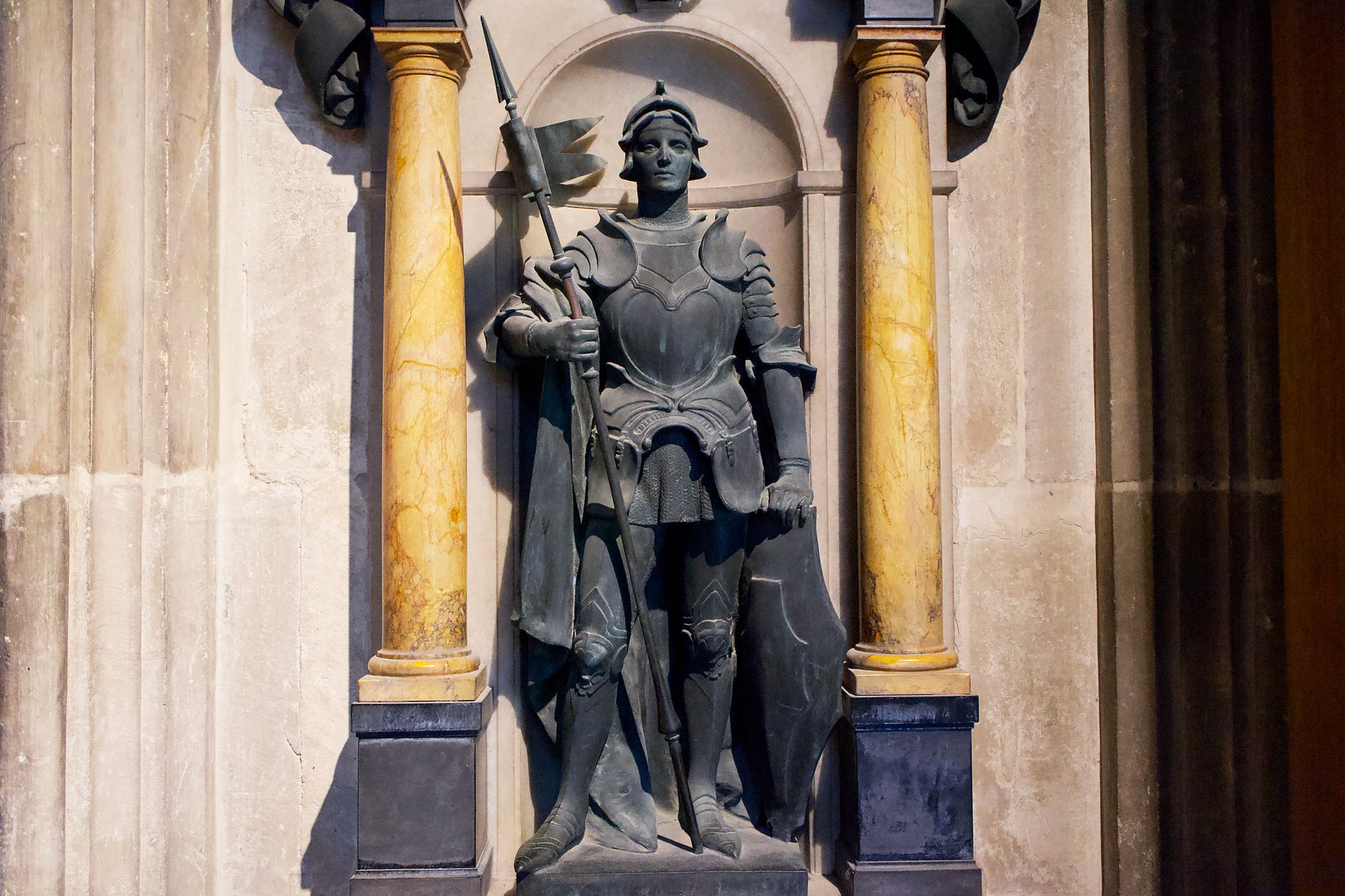
Joan of Arc's Execution and Sainthood
Joan of Arc was burned at the stake by the English on May 30, 1431. The trial was overseen by Pierre Cauchon, who sought to prove her guilt. She was later made a saint 500 years later
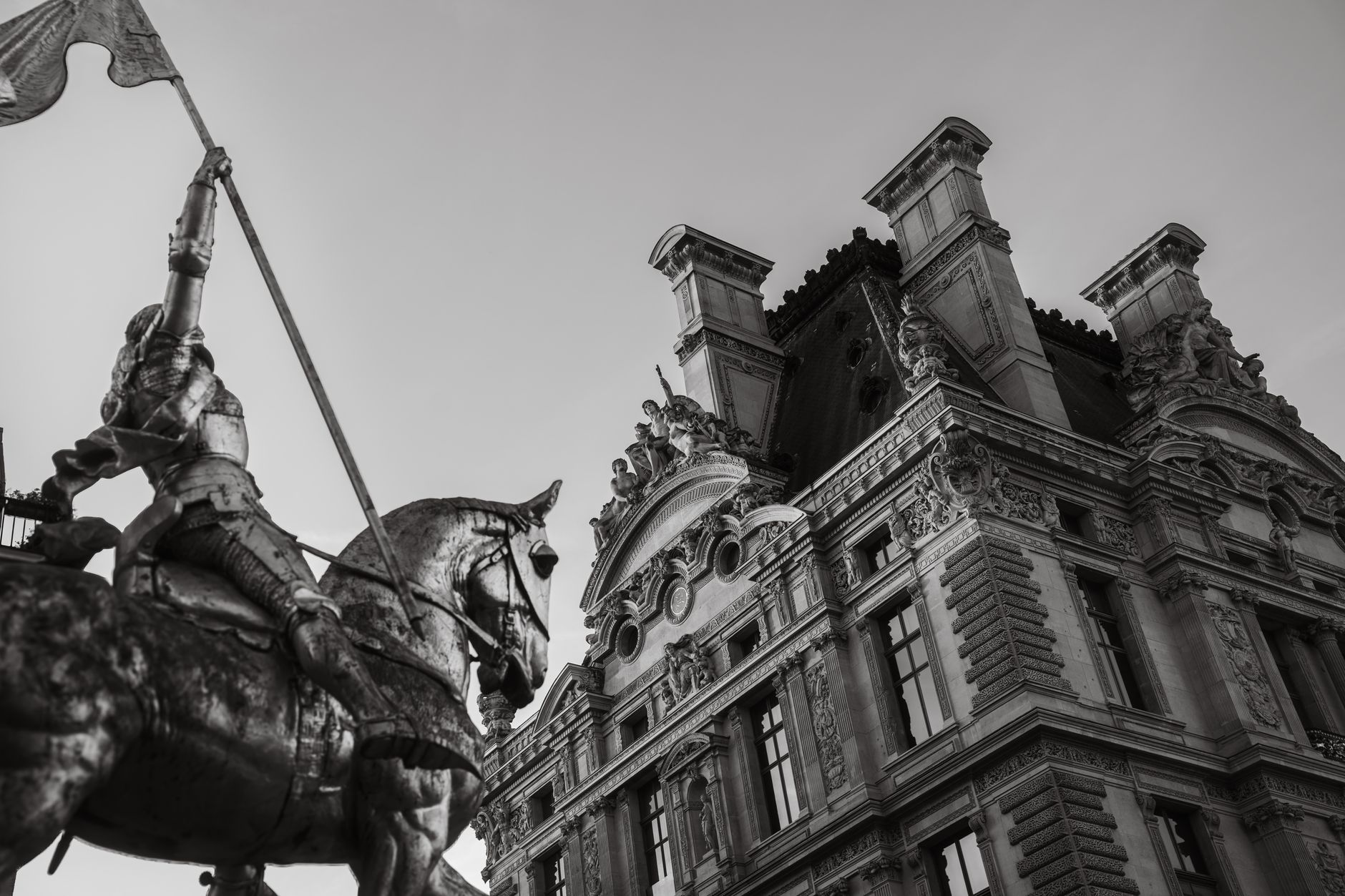
Photo by Jean-Baptiste Terrazzoni on Pexels
Joan of Arc Was Burned Alive on May 30, 1431
On May 30, 1431, Joan of Arc was led to the market square in Rouen, France, where she was burned at the stake by the English. This event occurred after a lengthy trial, during which Joan was subjected to intense questioning and scrutiny. The trial was overseen by Pierre Cauchon, the Bishop of Beauvais, who was determined to prove Joan's guilt.
What Everyone Knows
Most people think they know the story of Joan of Arc, the young French woman who led the French army to several victories during the Hundred Years' War. The standard story goes that she was a heroic figure, driven by her faith and her desire to free France from English rule. However, this narrative often glosses over the details of her trial and execution, as well as the complex political landscape of the time. The story of Joan of Arc is often simplified, with her being portrayed as a straightforward hero or martyr.
What History Actually Shows
Historians like Georges Duby and Regine Pernoud have extensively studied the trial of Joan of Arc, which took place from February 1431 to May 1431. According to the transcripts of the trial, which were recorded by notaries, Joan was questioned by a panel of clergy and nobles, including Pierre Cauchon and Jean d'Estivet. The trial was a highly politicized event, with the English seeking to discredit Joan and undermine the French claim to the throne. The fact that Joan was not provided with a lawyer or any formal representation during the trial is a key aspect of the case, and one that has been highlighted by historians such as Anne Llewellyn Barstow, who has written extensively on the subject. On February 21, 1431, Joan was first questioned by the tribunal, and she consistently maintained that she had received visions from God, which guided her actions. Over the course of the next few months, Joan was subjected to intense questioning, during which she was repeatedly asked about her visions, her actions, and her beliefs. The trial was a carefully staged event, designed to produce a specific outcome, and it ultimately ended with Joan's conviction and execution on May 30, 1431. As historian Andrew Davies has noted, the trial was a prime example of the political machinations of the time, with the English using the trial as a means of discrediting the French monarchy and justifying their own claims to the throne. The events surrounding Joan's trial and execution were meticulously recorded by contemporaries, including the notary Guillaume Manchon, who provided a detailed account of the proceedings. On July 7, 1456, Joan was officially declared innocent by the Catholic Church, and she was canonized as a saint on May 16, 1920, nearly 500 years after her death.
The Part That Got Buried
Historians and scholars deliberately downplayed the story of Joan of Arc's execution, suppressing the details of her brutal death at the hands of the English. The Catholic Church, in particular, played a significant role in burying this part of history, as they sought to emphasize her martyrdom and saintly virtues over the circumstances of her death. The Church's decision to focus on her faith and bravery, rather than the cruelty of her execution, contributed to the lack of attention given to this aspect of her story. Furthermore, the French monarchy and nobility also had a hand in shaping the narrative, as they sought to use Joan of Arc's legacy to promote their own interests and legitimacy. One concrete reason for the suppression of this history is that the original trial records were not widely available until the 19th century, making it difficult for earlier historians to reconstruct the events surrounding her execution.
The Ripple Effect
The execution of Joan of Arc had a direct impact on the development of international law, particularly in regards to the treatment of prisoners of war. The fact that she was subjected to a sham trial and executed without due process led to increased calls for the establishment of clear rules and protocols for the treatment of captives. This, in turn, contributed to the development of the modern laws of war, which emphasize the importance of protecting the rights and dignity of prisoners. A specific modern consequence of this event is the creation of the Geneva Conventions, which provide a framework for the humane treatment of prisoners and wounded soldiers.
The Line That Says It All
Joan of Arc was burned alive in the market square of Rouen on May 30, 1431, after being convicted of heresy and witchcraft by an English-dominated tribunal.
A Note on Sources
This article draws on historical records, documented accounts, and academic research related to the life and trial of Joan of Arc.