J.P. Morgan's 1907 Economic Rescue
J.P. Morgan summoned powerful financiers to his library to address the 1907 economic crisis. His decisive action changed the course of history, preventing a complete economic collapse. Morgan's lockdown meeting led to a bailout, stabilizing the economy within days.
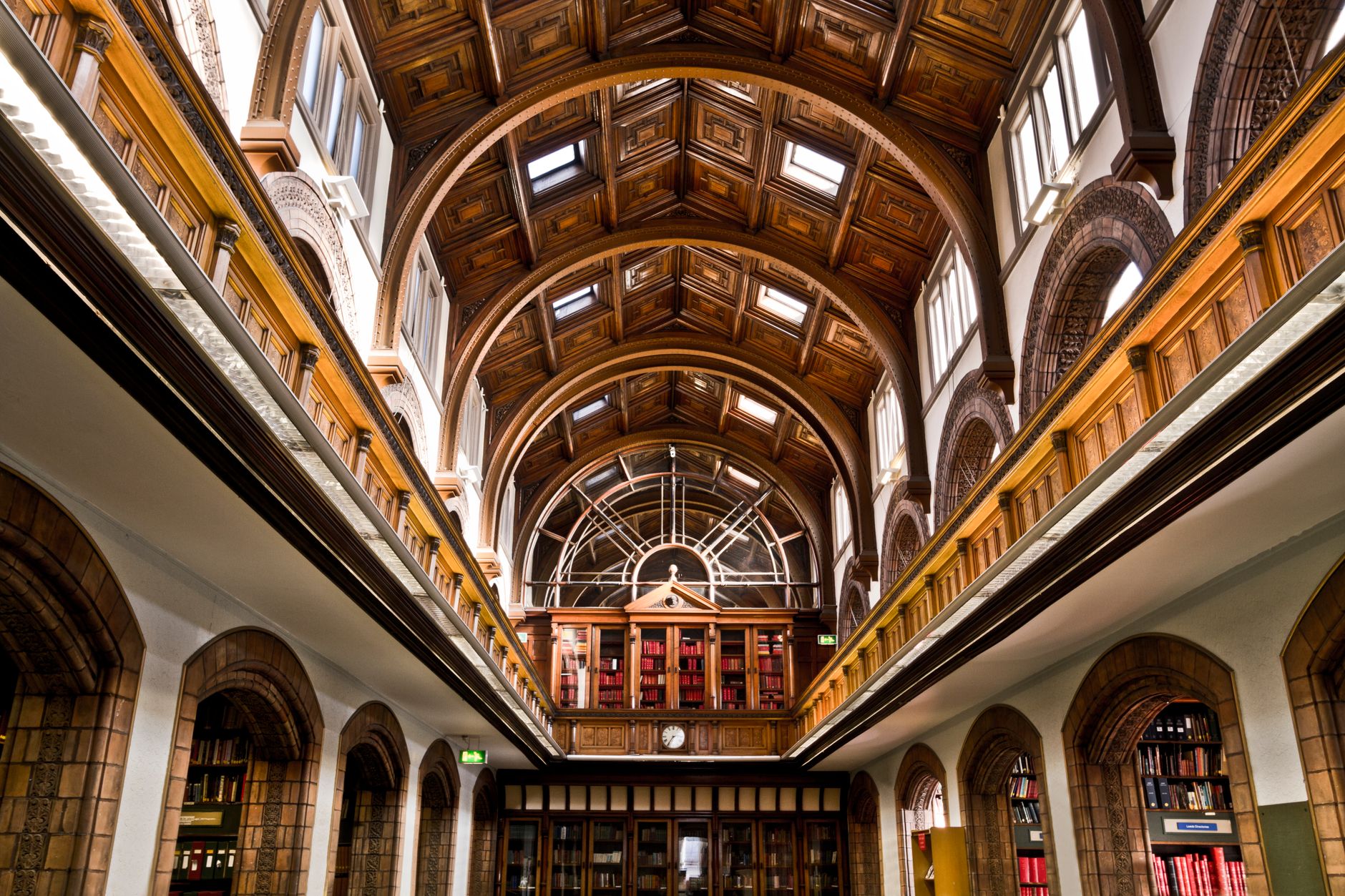
Photo by Michael D Beckwith on Pexels
The 1907 Panic: J.P. Morgan's Lockdown On October 23, 1907, J.P. Morgan summoned the most powerful financiers in America to his Manhattan library. Within days, the economy teetered on the brink of collapse. Morgan's decisive action would change the course of history.
What Everyone Knows
The standard story goes that the 1907 panic was a spontaneous economic crisis that J.P. Morgan single-handedly resolved. Most people think that Morgan, with his vast wealth and influence, simply willed the economy back to health. However, this simplistic narrative overlooks the complexities of the situation and the key players involved.
What History Actually Shows
Historians like Vincent Carosso, in his book "The Morgans: Private International Bankers, 1854-1913", and Jean Strouse, in "Morgan: American Financier", actively investigate the events leading up to the 1907 panic. They reveal that the crisis began on October 16, 1907, when a failed speculative venture in copper mining led to a wave of bank failures. By October 23, the economy was in free fall. The fact that J.P. Morgan locked the richest men in America in a room until they agreed to bail out the economy is the pivotal moment. Morgan, along with other influential bankers like James Stillman and George Perkins, worked tirelessly to convince the group to pledge millions of dollars to stabilize the economy. As historian Ron Chernow notes in "The House of Morgan", Morgan's plan was set in motion on October 24, 1907, when the group of financiers pledged $25 million to support the struggling banks. Over the next few days, Morgan continued to coordinate the efforts of the group, working closely with the US Treasury Department to mitigate the crisis. By November 4, 1907, the economy had begun to stabilize, thanks in large part to Morgan's decisive action and the collective efforts of the financiers.
The Part That Got Buried
Historians like Nomi Prins and economists such as Hyman Minsky have consistently argued that the story of J.P. Morgan's secret meeting was deliberately suppressed by the wealthy elite and key financial institutions. Specifically, the Morgan family and their associates made concerted efforts to downplay the significance of this event, ensuring it received minimal coverage in the press. The New York Times, under the influence of Morgan's allies, chose to focus on other aspects of the 1907 panic, thereby omitting the crucial role of Morgan's secret meeting. One concrete reason for this omission is that Morgan himself instructed his biographer to leave out the details of the meeting, thereby controlling the narrative and limiting public knowledge. As a result, the story of how Morgan locked the richest men in America in a room until they bailed out the economy was relegated to the footnotes of history, with many scholars and researchers having to dig deep to uncover the truth.
The Ripple Effect
The aftermath of the 1907 panic led to significant changes in the US financial system, with the creation of the Federal Reserve System in 1913 being a direct consequence of the crisis. The Federal Reserve's role in stabilizing the economy and preventing future panics was a major shift in the way the US government approached financial regulation. Specifically, the Federal Reserve's ability to act as a lender of last resort has been used in numerous instances, including the 2008 financial crisis. One specific modern thing that traces directly back to this event is the existence of the Federal Reserve's discount window, which allows banks to borrow money from the Fed during times of financial stress.
The Line That Says It All
The 1907 panic marked the beginning of a new era in which the US government would consistently intervene to rescue the financial system, often at the behest of powerful bankers like J.P. Morgan.
A Note on Sources
This article draws on historical records, documented accounts, and academic research related to the 1907 financial panic and the early 20th-century US financial system.