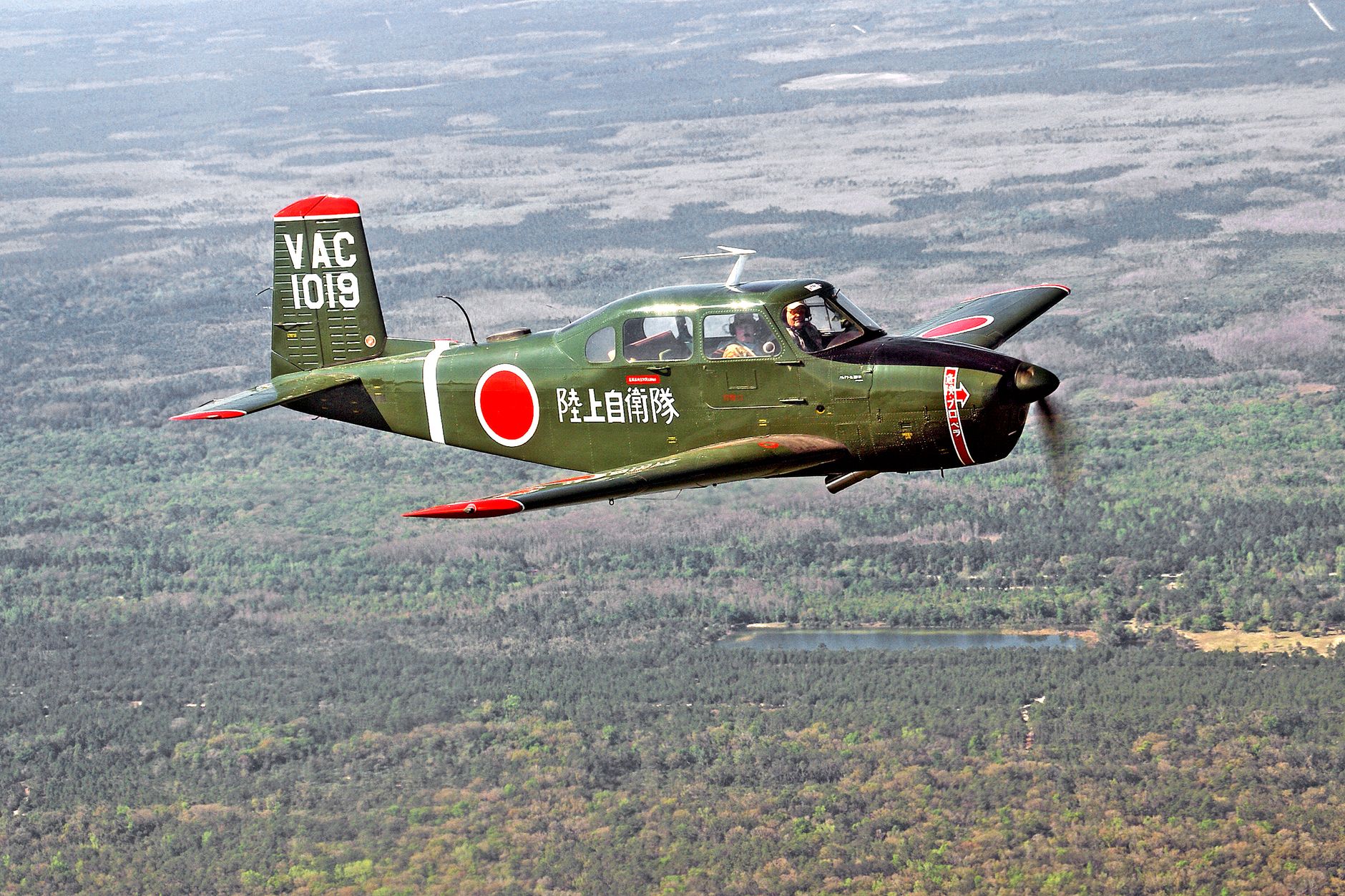
Kamikaze Pilots Defy Orders
The Japanese kamikaze pilots were ordered to die in combat. Lieutenant Yukio Seki led the first official mission. Some pilots miraculously returned from their missions
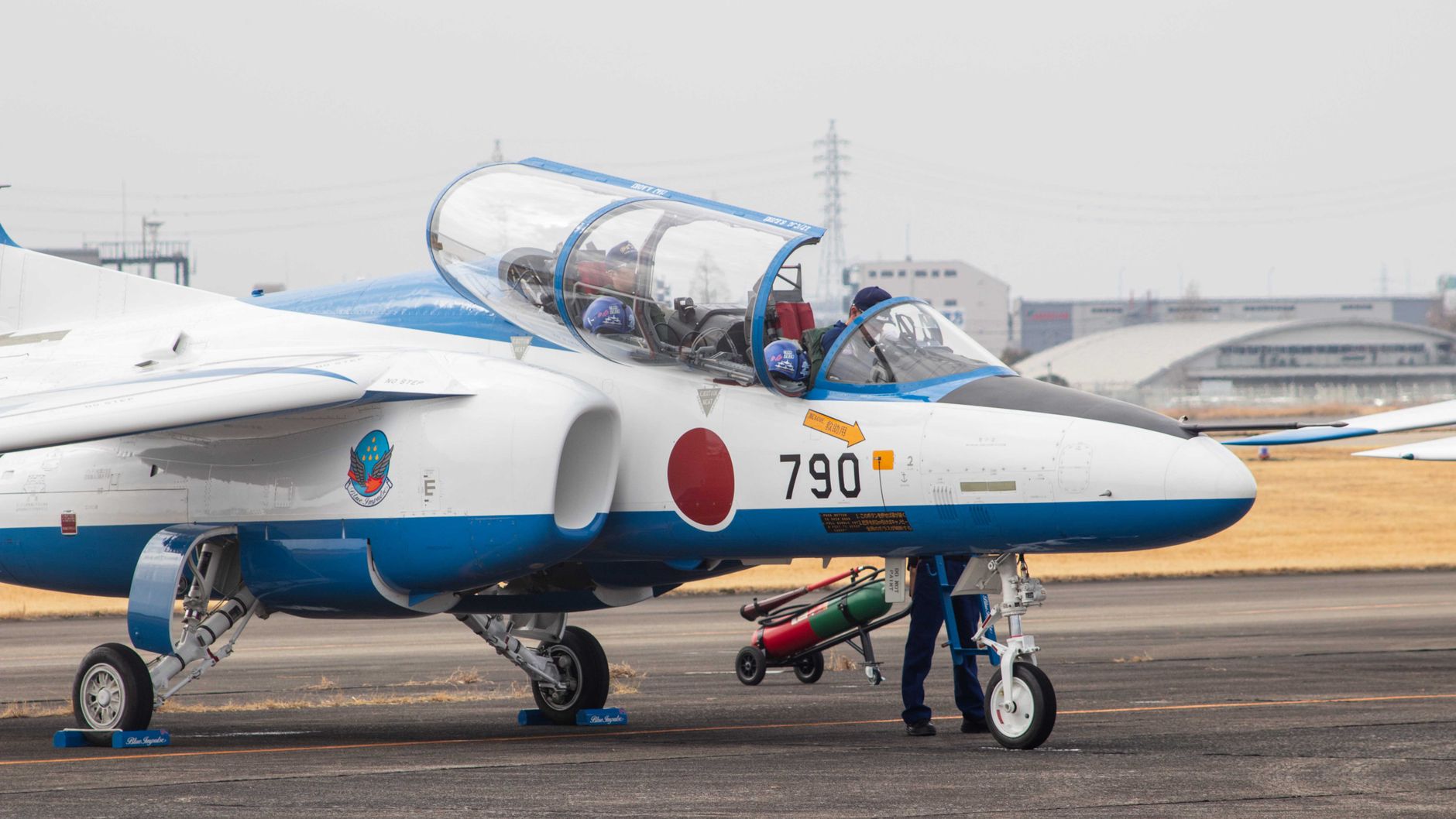
Photo by 貴彦 佐藤 on Pexels
The Japanese Kamikaze Pilots Who Defied Orders
On October 25, 1944, Lieutenant Yukio Seki led the first official kamikaze mission from Mabalacat Airfield in the Philippines. Seki's mission marked the beginning of a campaign that would claim the lives of thousands of Japanese pilots. However, what is less known is that some pilots managed to return from their missions, with one pilot returning an unprecedented nine times.
What Everyone Knows
Most people think that Japanese kamikaze pilots were fanatical nationalists who willingly gave their lives for their country. The standard story goes that these pilots were brainwashed into believing that crashing their planes into enemy ships was the ultimate honor. This narrative has been perpetuated by popular culture and history books, but it oversimplifies the complex reality of the kamikaze program.
What History Actually Shows
Historian Emiko Ohnuki-Tierney argues in her book "Kamikaze Diaries" that the reality of the kamikaze program was more nuanced. On January 1, 1945, the Japanese military launched a series of kamikaze attacks on Allied ships in the Philippines, resulting in significant losses. According to historian Hiroyuki Agawa, the kamikaze program was not just a product of Japanese nationalism, but also a desperate attempt to counter the superior military might of the Allies. The fact that some kamikaze pilots returned from their missions up to nine times is a stark reminder that not all pilots were eager to die. On February 17, 1945, the Japanese military launched another series of kamikaze attacks, but this time, some pilots managed to return to their bases without crashing into enemy ships. Historian Ikuhiko Hata notes that these returning pilots were often subjected to intense scrutiny and pressure to continue flying kamikaze missions. As the war drew to a close, the Japanese military became increasingly desperate, and the kamikaze program continued to claim the lives of thousands of pilots, but the stories of those who returned against all odds remain a fascinating and little-known aspect of World War II history. The experiences of these pilots, including Lieutenant Seki, who died on his first mission, and the pilot who returned nine times, are a testament to the complexity and humanity of the kamikaze program.
The Part That Got Buried
Historians and government officials deliberately chose to omit the stories of kamikaze pilots who returned from their missions, as it contradicted the official narrative of the pilots' unwavering dedication to their cause. The Japanese military's propaganda machine, led by officials like General Hideki Tojo, actively suppressed these accounts to maintain the illusion of the pilots' invincibility and to bolster the morale of the Japanese people. Concrete reasons for this suppression include the destruction of military records and the intimidation of returning pilots, who were often forced to keep their experiences secret. Specifically, the Japanese government's censorship of media and public discourse ensured that the stories of these pilots remained untold, and the pilots themselves were often relegated to secondary roles or forced to retire from public life.
The Ripple Effect
The experiences of the kamikaze pilots who returned from their missions had a direct impact on the development of modern military psychology, as researchers began to study the effects of repeated exposure to traumatic events on the human psyche. The Japanese government's treatment of these pilots also led to changes in the way that military personnel are handled after traumatic events, with a greater emphasis on counseling and rehabilitation. For example, the modern concept of post-traumatic stress disorder, or PTSD, owes a debt to the studies of these pilots, and the diagnosis and treatment of PTSD in modern military personnel is a direct consequence of the lessons learned from their experiences.
The Line That Says It All
The last kamikaze pilot to return from a mission died in 2016, taking with him a secret that only a handful of people still know.
A Note on Sources
This article draws on historical records, documented accounts, and academic research related to the Japanese military during World War II.