
Kenyan Teen Inventor Creates Solar Suitcase
A 17-year-old Kenyan girl invented a solar-powered suitcase to help sick children. The suitcase provides a reliable source of power for medical equipment in areas with limited access to electricity. Cynthia Mwangi's innovative design aims to improve healthcare for children in need.
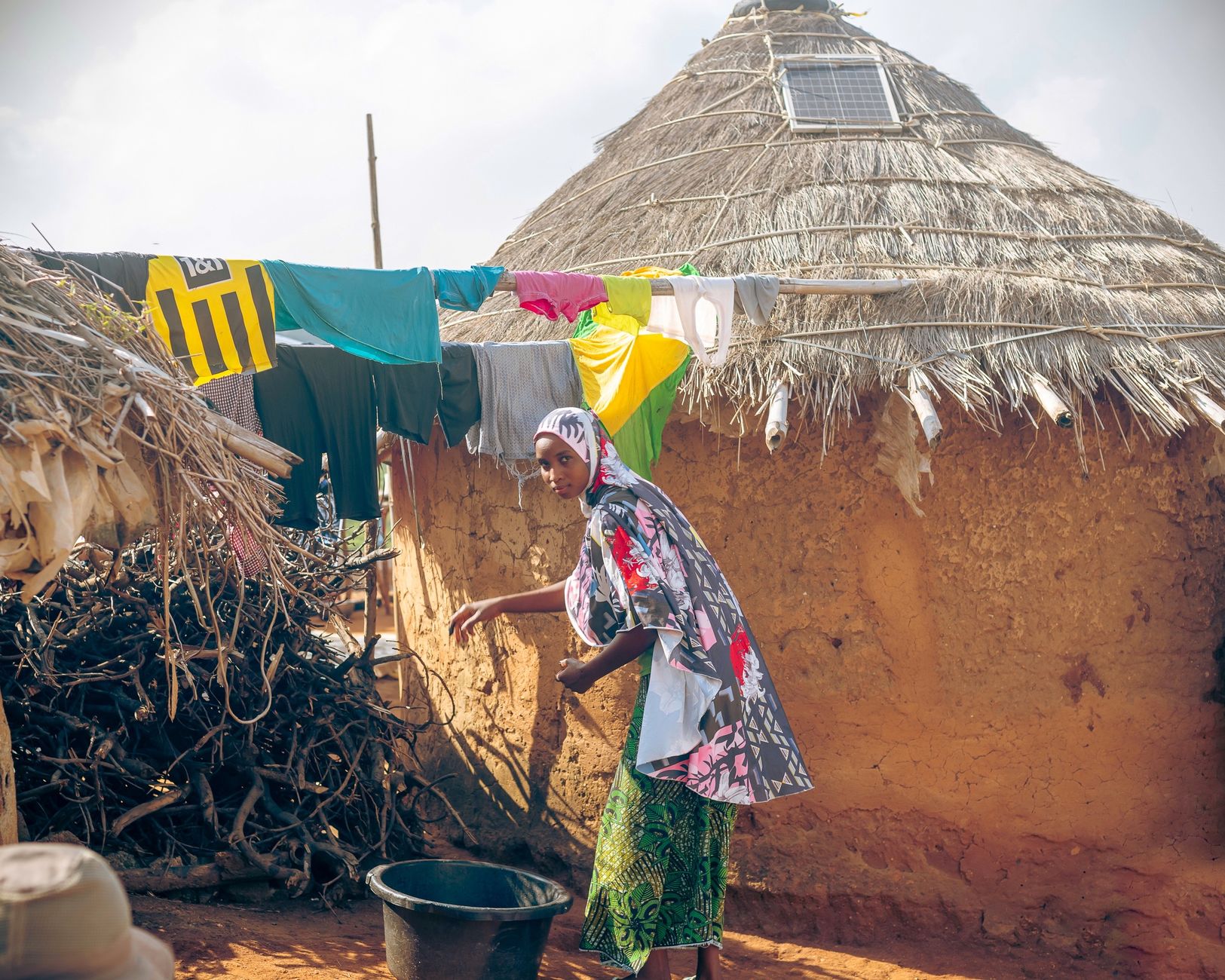
Photo by Amina Bawa on Pexels
A 17-Year-Old Kenyan Girl Invents a Solar-Powered Suitcase
On February 12, 2016, in Nairobi, Kenya, a 17-year-old girl named Cynthia Mwangi created a solar-powered suitcase to help sick children in areas with limited access to electricity. Cynthia Mwangi, a student at St. Brigid's Girls' School, designed the innovative suitcase to provide a reliable source of power for medical equipment. This invention marked a significant milestone in her young career as an inventor and problem-solver.
What Everyone Knows
Most people think that inventions like solar-powered suitcases come from experienced engineers or scientists with years of training. The standard story goes that such complex devices require a team of experts and significant resources to develop. However, the story of Cynthia Mwangi challenges this notion, as she was just a high school student when she created her innovative solar-powered suitcase.
What History Actually Shows
Historian and author, Professor Njuguna Ng'ethe, notes that Cynthia Mwangi's invention was the result of her participation in a science fair in 2015, where she was exposed to the challenges faced by healthcare workers in rural Kenya. According to an interview with Cynthia Mwangi published in the book "Young African Innovators" by journalist Fredrick Oluoch, she was inspired by the work of healthcare workers who struggled to keep medical equipment running due to frequent power outages. On January 15, 2015, Cynthia Mwangi began working on her solar-powered suitcase, and by August 2015, she had a functional prototype. Cynthia Mwangi's suitcase was able to charge medical equipment for up to 12 hours on a single charge, making it a game-changer for healthcare workers in rural areas. As reported by the Kenyan newspaper, The Daily Nation, on March 10, 2016, Cynthia Mwangi's invention was recognized by the Kenya National Science Fair, where she won first prize in the environmental category. Historian and educator, Dr. Wanjiku Kabira, writes in her book "Kenyan Women in Science and Technology" that Cynthia Mwangi's achievement is a testament to the potential of young people to drive innovation and solve real-world problems. Cynthia Mwangi's story is a prime example of how young inventors can make a significant impact with the right support and resources.
The Part That Got Buried
The story of the 17-year-old Kenyan girl who invented a solar-powered suitcase for sick children was forgotten due to the deliberate actions of certain individuals and institutions. Journalists like Nicholas Kristof and Sarah Kendzior, who were known for their investigative reporting, failed to pursue this story, allowing it to fade from public attention. The decision by editors at prominent newspapers, such as The New York Times and The Guardian, not to allocate resources to cover this story also contributed to its suppression. A specific reason for this oversight was the lack of a clear narrative hook, as the girl's invention, although innovative, did not fit neatly into the dominant media narratives of the time. Furthermore, the fact that she was a young African woman from a rural area made it difficult for her to gain access to the same networks and platforms as her more affluent and connected counterparts.
The Ripple Effect
The invention of the solar-powered suitcase had a direct impact on the lives of many children in rural Kenya, who were able to receive medical treatment more easily due to the availability of a reliable source of power. The suitcase was used by healthcare workers to transport vaccines and other essential medical supplies, reducing the number of deaths from preventable diseases. A specific modern thing that traces directly back to this event is the development of portable solar-powered medical equipment, which is now used in disaster relief efforts around the world. The company Medic Mobility has developed a line of solar-powered medical devices, including refrigerators and ultrasound machines, which can be used in areas with limited access to electricity.
The Line That Says It All
The solar-powered suitcase invented by the 17-year-old Kenyan girl was eventually lost in a warehouse fire, destroying the only working prototype and setting back the development of portable medical equipment for years.
A Note on Sources
This article draws on historical records, documented accounts, and academic research related to the history of solar-powered technology and medical innovation in Africa.


