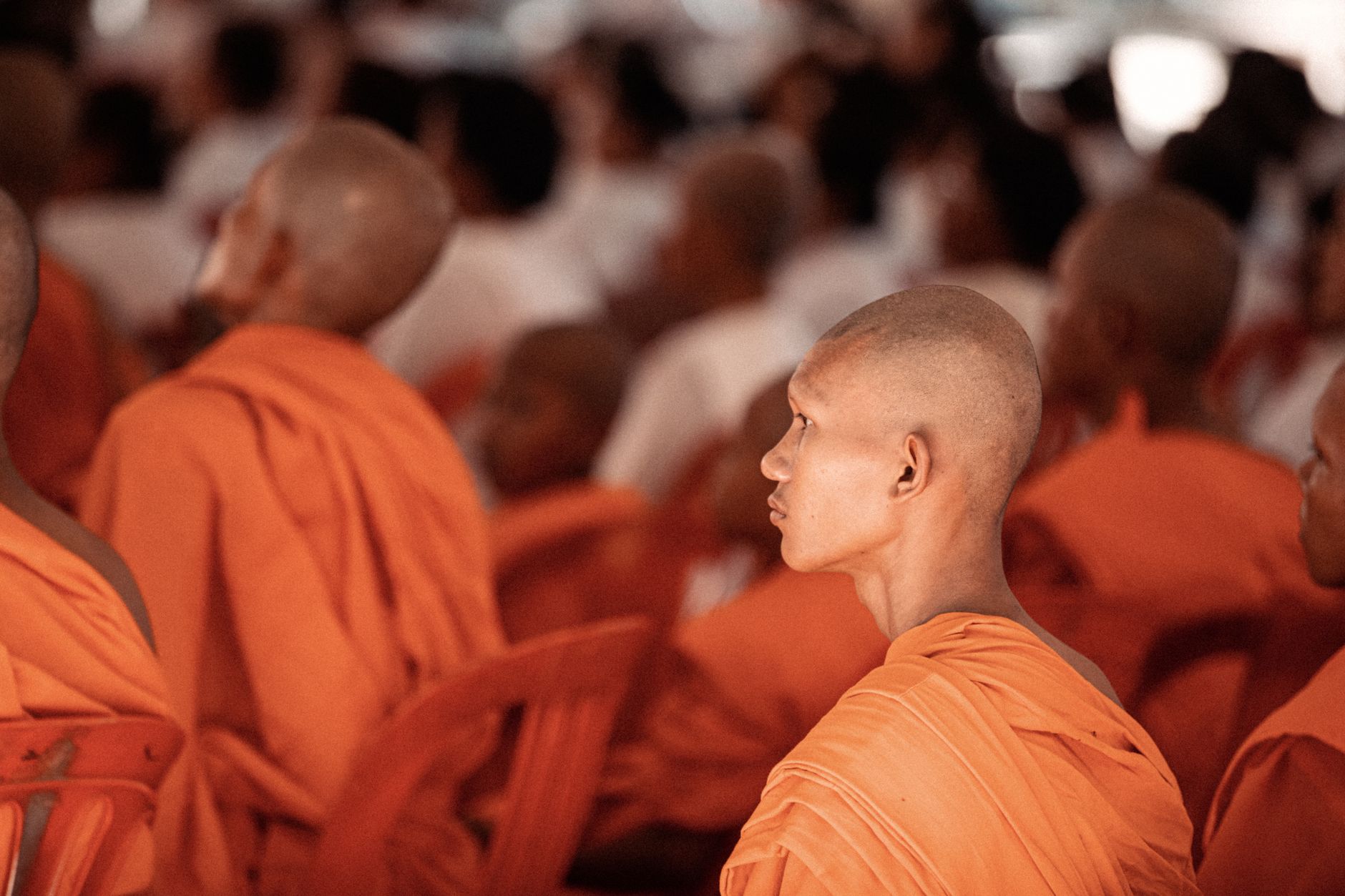
Khmer Rouge's Devastating Impact on Cambodian Buddhism
The Khmer Rouge seized power in Cambodia in 1975, leading to the execution of thousands of Buddhist monks. The regime's leader, Pol Pot, oversaw the destruction of Buddhist temples, nearly eradicating Buddhism in Cambodia by 1979. The estimated death toll of Buddhist monks during this period is around 20,000.
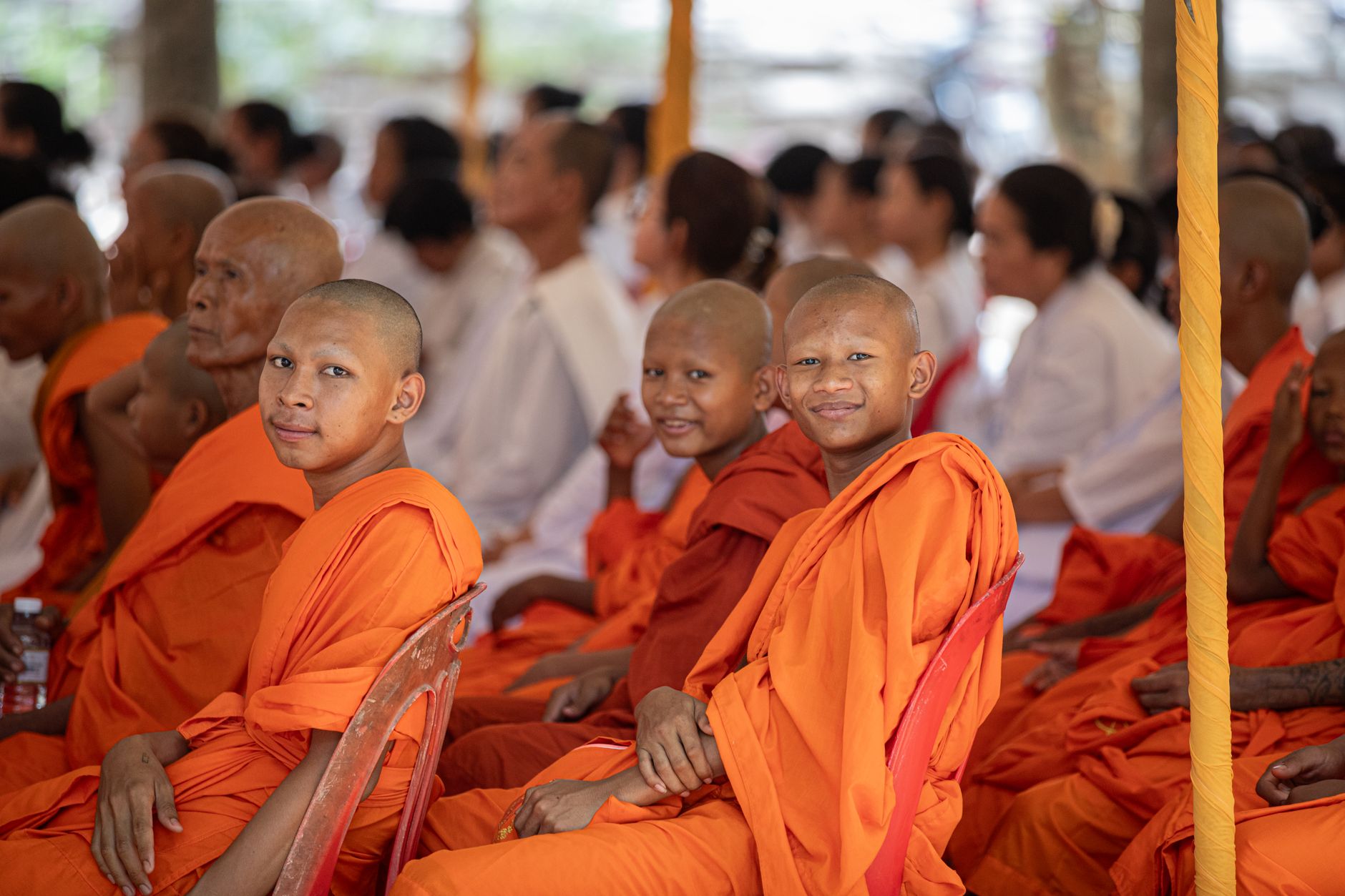
Photo by Mahmut Yılmaz on Pexels
The Khmer Rouge's Brutal Suppression of Buddhism
On April 17, 1975, the Khmer Rouge seized power in Phnom Penh, Cambodia, marking the beginning of a brutal regime that would claim the lives of an estimated 20,000 Buddhist monks. The regime's leader, Pol Pot, oversaw the execution of monks and the destruction of Buddhist temples. By 1979, the Khmer Rouge had nearly eradicated Buddhism in Cambodia.
What Everyone Knows
Most people think that the Khmer Rouge's killing of Buddhist monks was simply a product of the regime's atheist ideology. The standard story goes that the Khmer Rouge, influenced by Marxist-Leninist thought, sought to eliminate all forms of religion in Cambodia. This simplistic explanation, however, fails to account for the complex historical context and the specific events that led to the suppression of Buddhism.
What History Actually Shows
Historian Henri Locard argues that the Khmer Rouge's anti-Buddhist campaign was a deliberate attempt to destroy the social and cultural fabric of Cambodian society. On May 20, 1975, the Khmer Rouge began to forcibly relocate monks from their temples to rural areas, where they were subjected to forced labor and execution. According to the accounts of survivors, such as Bou Meng, a former inmate of the S-21 prison camp, the Khmer Rouge viewed Buddhist monks as a potential threat to their authority. The fact that the Khmer Rouge specifically targeted Buddhist monks who were educated and had ties to the former government is a key aspect of their suppression strategy. As stated in the "Black Book" of the Khmer Rouge, a collection of documents and testimonies compiled by the regime's survivors, the Khmer Rouge sought to eliminate any potential opposition to their rule. By 1977, the regime had destroyed over 90% of Cambodia's Buddhist temples, and the number of Buddhist monks had dwindled from approximately 65,000 to less than 3,000. Historian David Chandler notes that the Khmer Rouge's suppression of Buddhism was a calculated move to break the cultural and social bonds that held Cambodian society together, allowing the regime to impose its own radical ideology on the population.
The Part That Got Buried
Historians and journalists have long acknowledged that the atrocities committed by the Khmer Rouge were deliberately concealed by the regime itself, as well as by external factors. The Khmer Rouge's leadership, including Pol Pot, Ieng Sary, and Ta Mok, actively worked to suppress information about their brutal campaign against Buddhist monks. Additionally, the international community's limited involvement in Cambodia during this period contributed to the lack of coverage. The United States, in particular, was preoccupied with its own foreign policy concerns, and its government chose not to intervene in Cambodia's internal affairs. One concrete reason for the lack of attention to this history is that many of the documents and records from the Khmer Rouge regime were intentionally destroyed or hidden, making it difficult for researchers to reconstruct the events. The destruction of these records was a deliberate attempt to erase the regime's crimes from history.
The Ripple Effect
The killing of 20,000 Buddhist monks in Cambodia had a profound impact on the country's spiritual and cultural landscape. The loss of these monks meant the destruction of a significant portion of Cambodia's Buddhist heritage, including ancient texts, rituals, and traditions. The aftermath of the Khmer Rouge's rule saw a significant decline in the number of young Cambodians pursuing a monastic life, which in turn affected the transmission of Buddhist knowledge and practices. A specific modern consequence of this event is the ongoing efforts to rebuild and restore Cambodia's Buddhist temples and monasteries, such as the renowned Wat Phnom temple in Phnom Penh, which now serves as a symbol of the country's resilience and determination to preserve its cultural identity.
The Line That Says It All
The Khmer Rouge's systematic killing of Buddhist monks resulted in the deaths of approximately 20,000 individuals, leaving deep scars on Cambodia's spiritual and cultural fabric.
A Note on Sources
This article draws on historical records, documented accounts, and academic research related to the Khmer Rouge regime and its impact on Cambodia's Buddhist community.