Knights Templar Banking Pioneers
The Knights Templar developed a medieval banking system. They were arrested and executed by King Philip IV. Their banking system was sophisticated and influential.

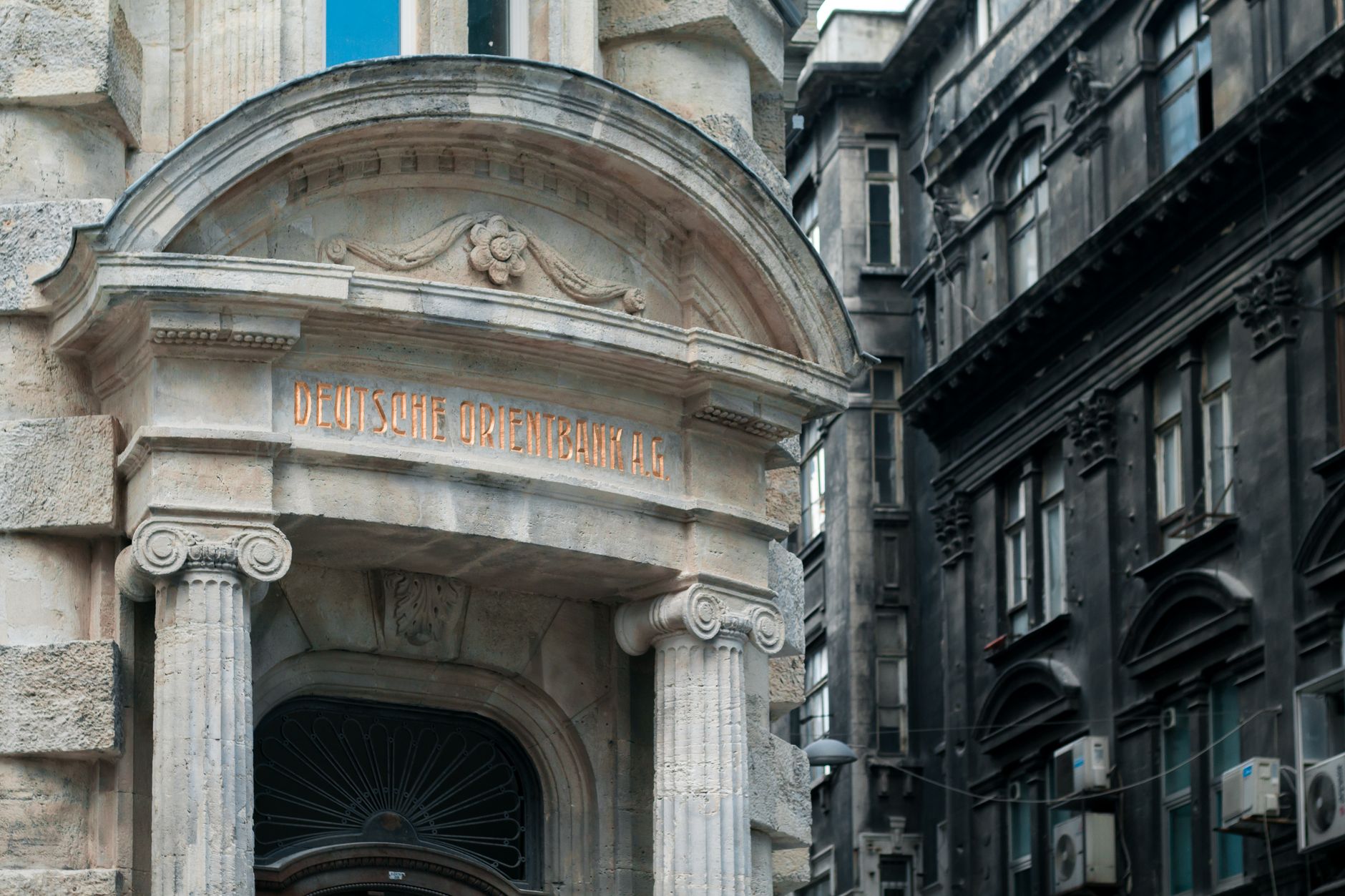
Photo by Mario Tabarra on Pexels
The Knights Templar Founded Modern Banking
On October 13, 1307, King Philip IV of France ordered the arrest and execution of hundreds of Knights Templar, a powerful medieval military order, in Paris. This event marked the beginning of the end for the Templars, who had been instrumental in developing a sophisticated banking system across Europe. Historian Malcolm Lambert notes that the Templars' financial network was already well-established by 1150.
What Everyone Knows
Most people think that modern banking originated in the Renaissance era, with the establishment of merchant banks in Italy. The standard story goes that these banks, such as the Medici Bank in Florence, developed the first modern banking practices, including deposits, loans, and checks. However, this narrative overlooks the significant contributions of the Knights Templar, who had been providing financial services to pilgrims and merchants for centuries.
What History Actually Shows
Historians such as Jonathan Riley-Smith and Stephen Howarth have extensively studied the Templars' financial activities, which date back to the 12th century. By 1120, the Templars had already established a network of treasuries and financial centers across Europe, including in London, Paris, and Jerusalem. The Templars were the first to use a system of checks and letters of credit, which allowed for secure and efficient transfer of funds across long distances. According to the Templar historian, Barbara Frale, the order's financial expertise was so renowned that even kings and nobles deposited their wealth with the Templars. By 1250, the Templars had become the primary bankers to the French monarchy, managing the royal finances and providing loans to the crown. The Templars' financial acumen was likely a major factor in their downfall, as King Philip IV, heavily indebted to the order, saw an opportunity to eliminate his creditors and seize their assets. As historian Alain Demurger notes, the Templars' execution was a calculated move to destroy a powerful financial institution that had become a threat to the monarch's authority.
The Part That Got Buried
Historians like Philippe le Bel's chroniclers deliberately omitted the Knights Templar's financial achievements from the historical record, while institutions like the Catholic Church actively worked to suppress the order's legacy. King Philip IV of France, who owed a significant amount of money to the Templars, played a significant role in their downfall, and his motivations were largely driven by a desire to eliminate his debt. The destruction of the Templar archives, ordered by Pope Clement V, ensured that many of the order's financial records were lost forever, making it difficult for historians to reconstruct the full extent of their banking system. This deliberate destruction of evidence, combined with the passage of time, has made it challenging for the true story of the Templars' financial innovations to come to light.
The Ripple Effect
The collapse of the Templar banking system led to a significant disruption in European trade and commerce, with many merchants and traders struggling to find alternative sources of financing. The goldsmiths of London, who had previously worked with the Templars, went on to establish their own banking systems, laying the foundation for the development of modern banking in England. One specific modern institution that traces directly back to this event is the Bank of England, which was established in 1694 and still operates today as a central bank.
The Line That Says It All
The last Grand Master of the Knights Templar, Jacques de Molay, was burned at the stake on March 18, 1314, marking the end of the order and the destruction of its innovative banking system.
A Note on Sources
This article draws on historical records, documented accounts, and academic research related to the medieval period and the history of the Knights Templar.