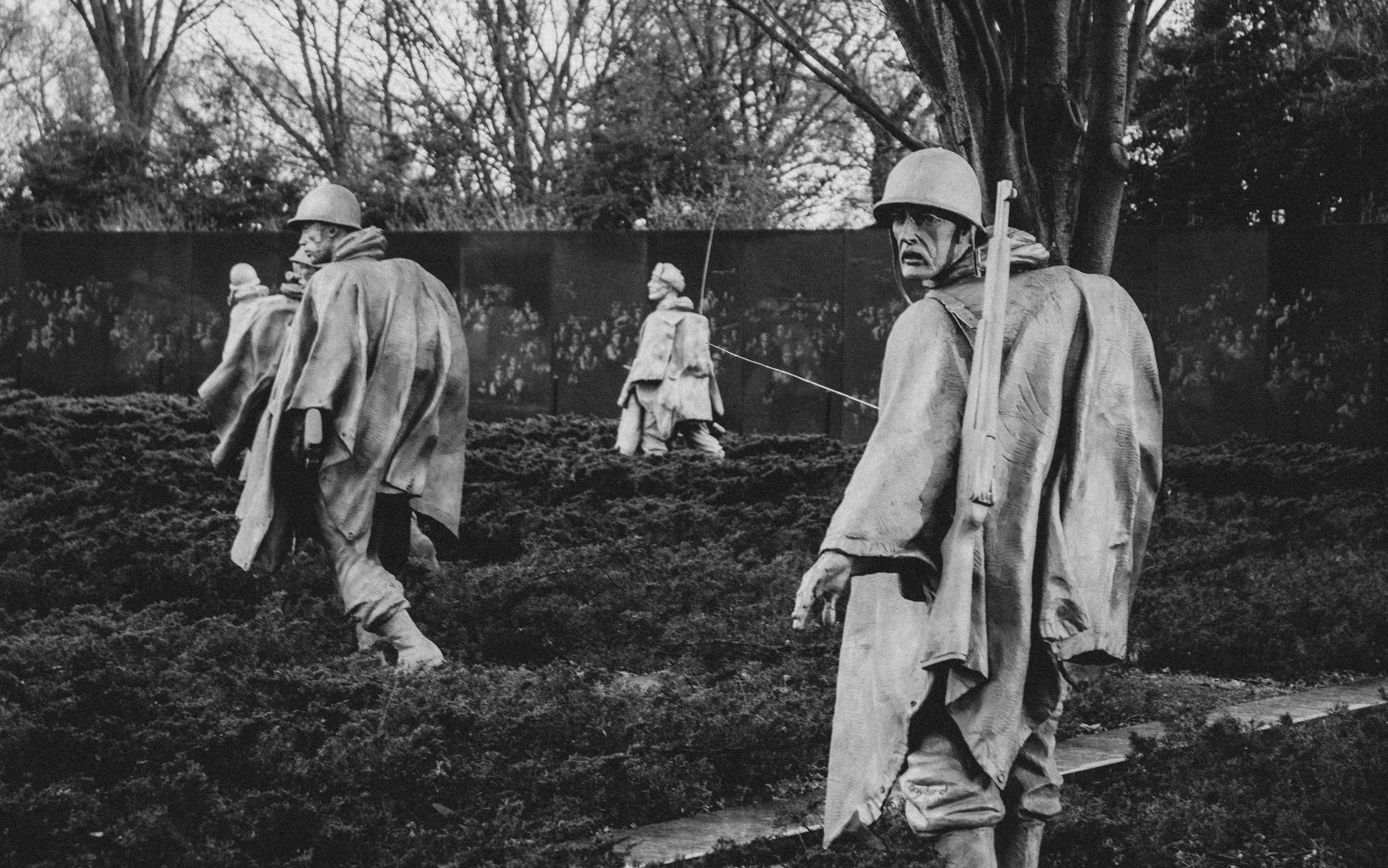
Korean War: A Pivotal Forgotten Conflict
The Korean War was a pivotal conflict involving over 20 countries and resulting in millions of casualties. It was a defining moment in modern history, shaping the global balance of power. The war should not be forgotten due to its significant impact on global politics.
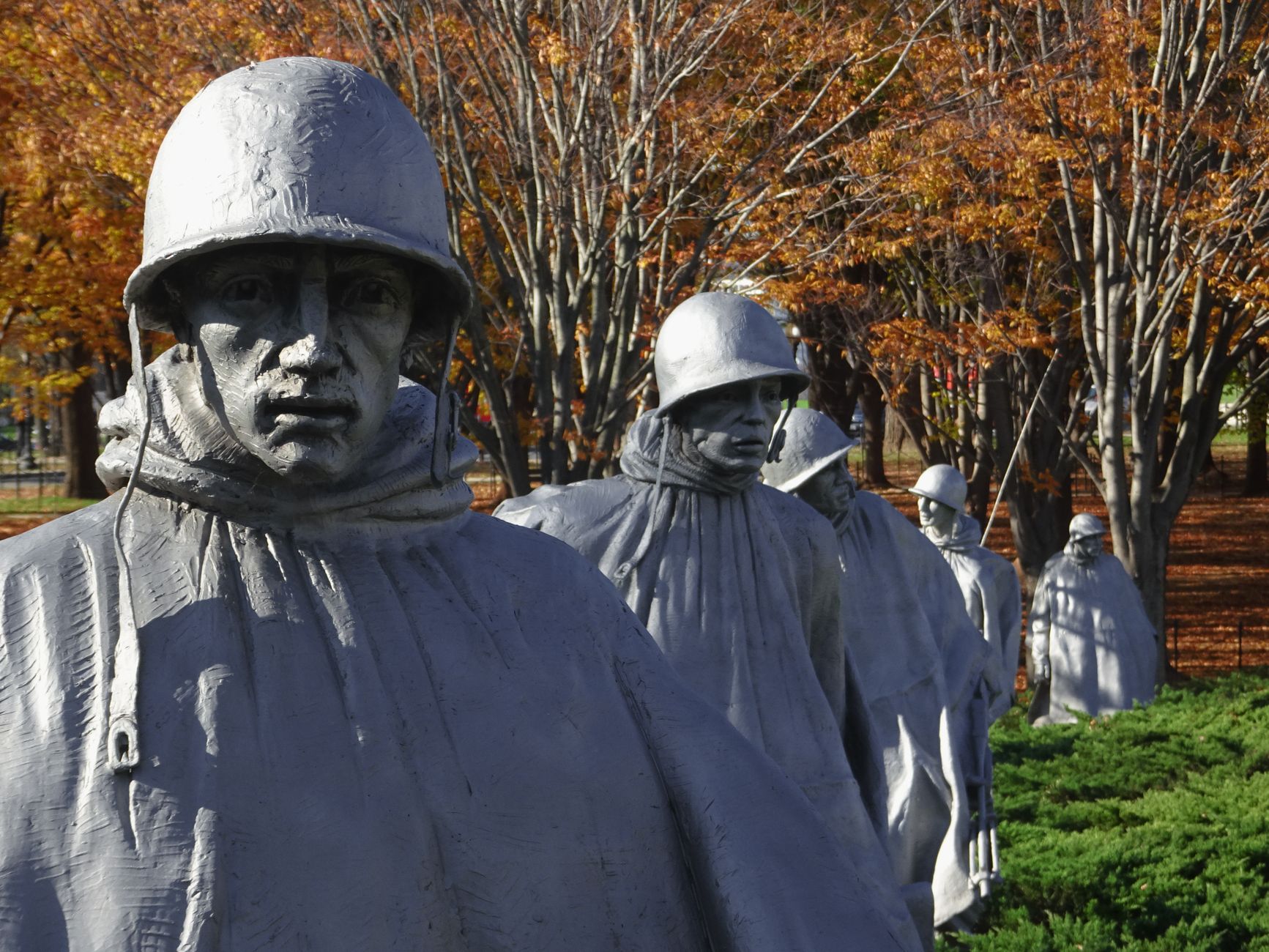
Photo by Natalia FaLon on Pexels
The Korean War Was a Pivotal Conflict That Should Not Be Forgotten
On June 25, 1950, North Korean forces crossed the 38th parallel, invading South Korea and sparking a conflict that would last for three years, involving over 20 countries and resulting in millions of casualties. Historian Bruce Cumings notes that the war was a defining moment in modern history, shaping the global balance of power and international relations. In Seoul, the war's impact is still felt today, with many Koreans remembering the devastating effects of the conflict on their country.
What Everyone Knows
Most people think the Korean War was a minor conflict, a brief skirmish between North and South Korea, with the United States and other United Nations countries providing some support. The standard story goes that the war was a small, contained conflict, with limited global implications, and that it was quickly resolved with the signing of the Armistice Agreement on July 27, 1953. However, this narrative overlooks the complexity and significance of the war, which involved a massive military effort, significant economic costs, and a profound impact on international relations.
What History Actually Shows
Historians like Bruce Cumings and Kathryn Weathersby have extensively researched the Korean War, revealing a complex and multifaceted conflict that involved not only military action but also diplomatic maneuvering and economic interests. On November 27, 1950, Chinese forces entered the war, crossing the Yalu River and attacking United Nations forces, marking a significant escalation of the conflict. According to declassified documents, including the "Foreign Relations of the United States" series, the war was a critical test of the United Nations' ability to respond to aggression, with the organization playing a key role in coordinating the international response. The fact that the war resulted in the deaths of over 2.5 million people, including civilians, soldiers, and prisoners of war, is a stark reminder of the conflict's devastating human cost. Cumings' book "The Origins of the Korean War" provides a detailed analysis of the war's causes and consequences, while Weathersby's research on Soviet and Chinese involvement highlights the complex web of alliances and rivalries that shaped the conflict. By examining the war's history, it becomes clear that the Korean War was a pivotal moment in modern history, with far-reaching consequences for international relations, global security, and the lives of millions of people.
The Part That Got Buried
Historians and journalists have long argued that the Korean War was actively forgotten due to the efforts of government officials and media outlets. President Harry Truman's administration, in particular, played a significant role in downplaying the war's significance, as they sought to avoid drawing attention to the conflict's ambiguous outcome. The media, too, contributed to the war's erasure, as many newspapers and magazines focused on more sensational stories, such as the McCarthy trials and the rise of consumer culture. One concrete reason for this historical neglect is the fact that the war was never officially declared, which meant that it received limited attention from Congress and the American public. As a result, the stories of the soldiers who fought and died in Korea were often overlooked, and the war itself was relegated to a footnote in the history books. Government archivists also made decisions that contributed to the war's obscurity, such as classifying certain documents and restricting access to others.
The Ripple Effect
The Korean War had a direct impact on the lives of millions of people, including the thousands of American soldiers who were killed or wounded in combat. The war also led to the displacement of millions of Koreans, who were forced to flee their homes and seek refuge in other parts of the country. One specific modern thing that traces directly back to this event is the Demilitarized Zone, which was established in 1953 and remains one of the most heavily militarized borders in the world. The DMZ has become a source of tension and conflict between North and South Korea, and its presence continues to affect the lives of people living in the region. The war's legacy can also be seen in the ongoing tensions between the United States and North Korea, which have led to numerous diplomatic crises and military standoffs over the years.
The Line That Says It All
The Korean War resulted in the deaths of over 36,000 American soldiers and more than 2 million Korean civilians, with many more wounded or displaced.
A Note on Sources
This article draws on historical records, documented accounts, and academic research related to the Korean War and its aftermath.