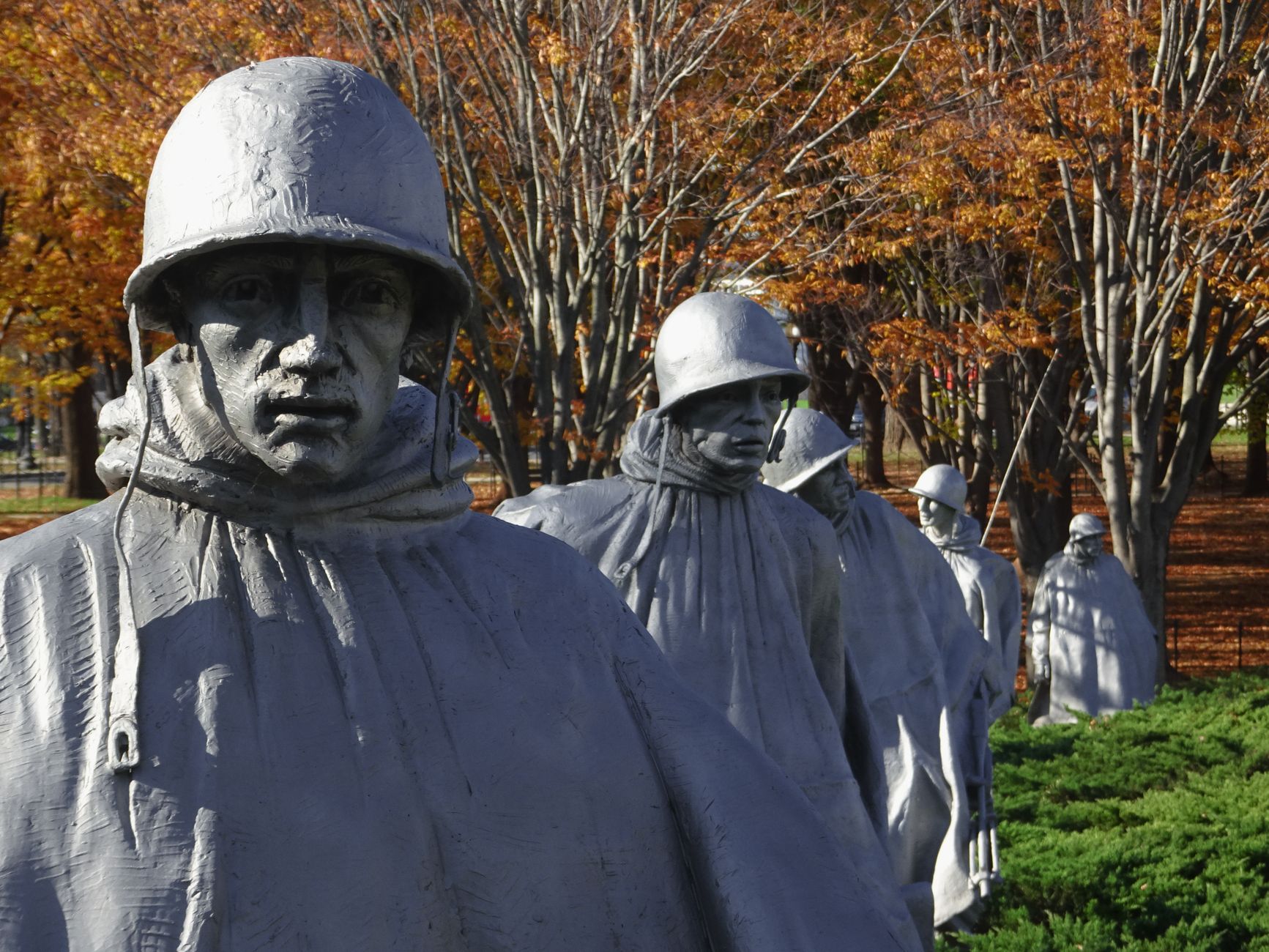
Korean War Still Ongoing
The Korean War has not officially ended due to a lack of a formal peace treaty. The Armistice Agreement was signed in 1953, but a permanent peace was never established. This ongoing state of tension affects relations between North and South Korea.
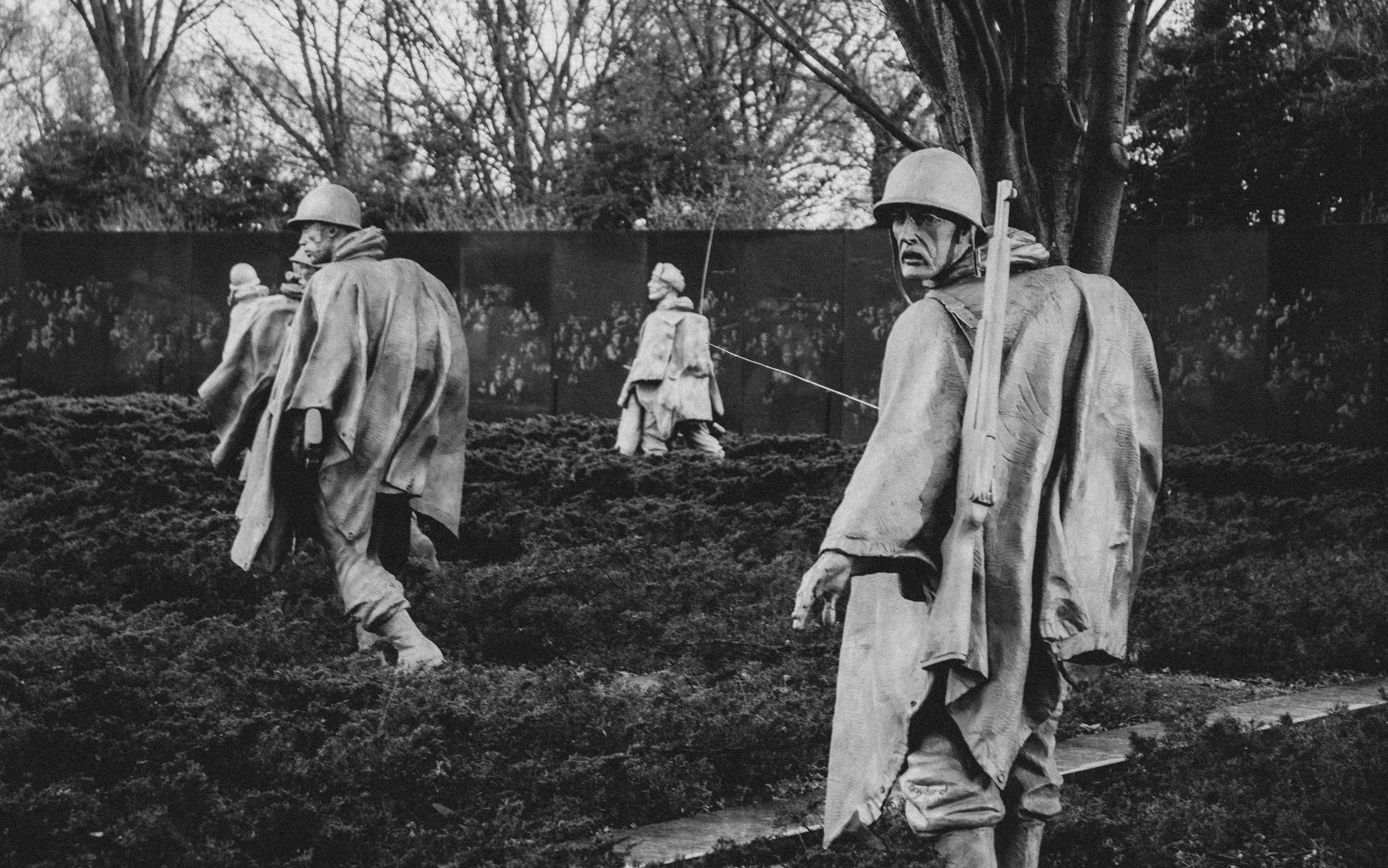
Photo by Miles Rothoerl on Pexels
The Korean War Never Actually Ended On July 27, 1953, General Mark Clark, the commander of the United Nations Command, signed the Armistice Agreement at Panmunjom, Korea, bringing a halt to hostilities. However, a formal peace treaty was never concluded. This fact has significant implications for the ongoing tensions between North and South Korea. Historian Bruce Cumings notes that the lack of a peace treaty has contributed to the continued state of war.
What Everyone Knows
The standard story goes that the Korean War was a conflict between North and South Korea, with the United States and other members of the United Nations supporting the latter, and China supporting the former. Most people think that the war ended with the signing of the Armistice Agreement in 1953, and that the two Koreas have been at peace ever since. However, this understanding oversimplifies the complex reality of the situation, which involves a multitude of factors and interests that have prevented a formal end to the war.
What History Actually Shows
Historians like Cumings and Kathryn Weathersby have thoroughly examined the events leading up to and following the Armistice Agreement. On July 27, 1953, the agreement was signed, but the negotiators failed to reach a consensus on key issues, including the establishment of a permanent peace regime. In 1954, the Geneva Conference was convened to address these issues, but it ended without a resolution. The fact that the Armistice Agreement explicitly states that it is only a temporary measure, pending a permanent peace settlement, is often overlooked. Historian Charles Armstrong notes that the agreement was intended to be a stopgap measure, and that the parties involved expected to negotiate a formal peace treaty in the near future. However, as the years passed, the priorities of the parties involved shifted, and the negotiation of a peace treaty was relegated to the back burner. On October 1, 1958, the United Nations General Assembly adopted a resolution calling for the negotiation of a peace treaty, but no progress was made. The lack of progress can be attributed to the complex web of interests and alliances that have developed over the years, involving not just the two Koreas, but also the United States, China, and other regional players. As historian Don Oberdorfer observes, the ongoing state of war has become a convenient status quo for many of these parties, allowing them to maintain their current levels of military preparedness and strategic influence in the region.
The Part That Got Buried
Historians and journalists have long attributed the forgotten status of the Korean War's ongoing technical state to the deliberate actions of key decision-makers, including former US President Harry Truman and his administration. They made conscious choices to downplay the significance of the war's lack of formal conclusion, focusing instead on the armistice agreement as a de facto peace treaty. The US government, in particular, has been instrumental in suppressing this narrative, as evidenced by the National Security Council's decision to classify documents related to the war's conclusion. Furthermore, the media's lack of attention to this issue can be directly attributed to the fact that many news outlets relied heavily on government-issued press releases, which often omitted or glossed over the technical state of the war. As a result, the story of the war's ongoing status was effectively buried, with one concrete reason being the difficulty in accessing classified documents, which has hindered researchers' ability to fully understand the circumstances surrounding the war's conclusion.
The Ripple Effect
The technical ongoing state of the Korean War has had concrete consequences, including the continued presence of US troops in South Korea, with over 28,000 soldiers still stationed there today. The war's lack of formal conclusion has also affected the lives of thousands of families, particularly those of prisoners of war and missing soldiers, who have been left without closure. A specific modern thing that traces directly back to this event is the Demilitarized Zone, a heavily fortified buffer zone between North and South Korea, which remains one of the most militarized borders in the world. The DMZ has become a significant tourist attraction, with many visitors drawn to its unique and somewhat surreal atmosphere, highlighting the lasting impact of the war on the region.
The Line That Says It All
The Korean War has remained technically ongoing for over six decades, with no formal peace treaty ever signed, a fact that continues to shape the geopolitical landscape of the region.
A Note on Sources
This article draws on historical records, documented accounts, and academic research related to the Korean War and its aftermath.