
Kosovar Women Uncover War Crimes Evidence
Kosovar women documented 20,000 war crimes cases. They collected testimonies from survivors of atrocities. Their work helped bring justice to victims.
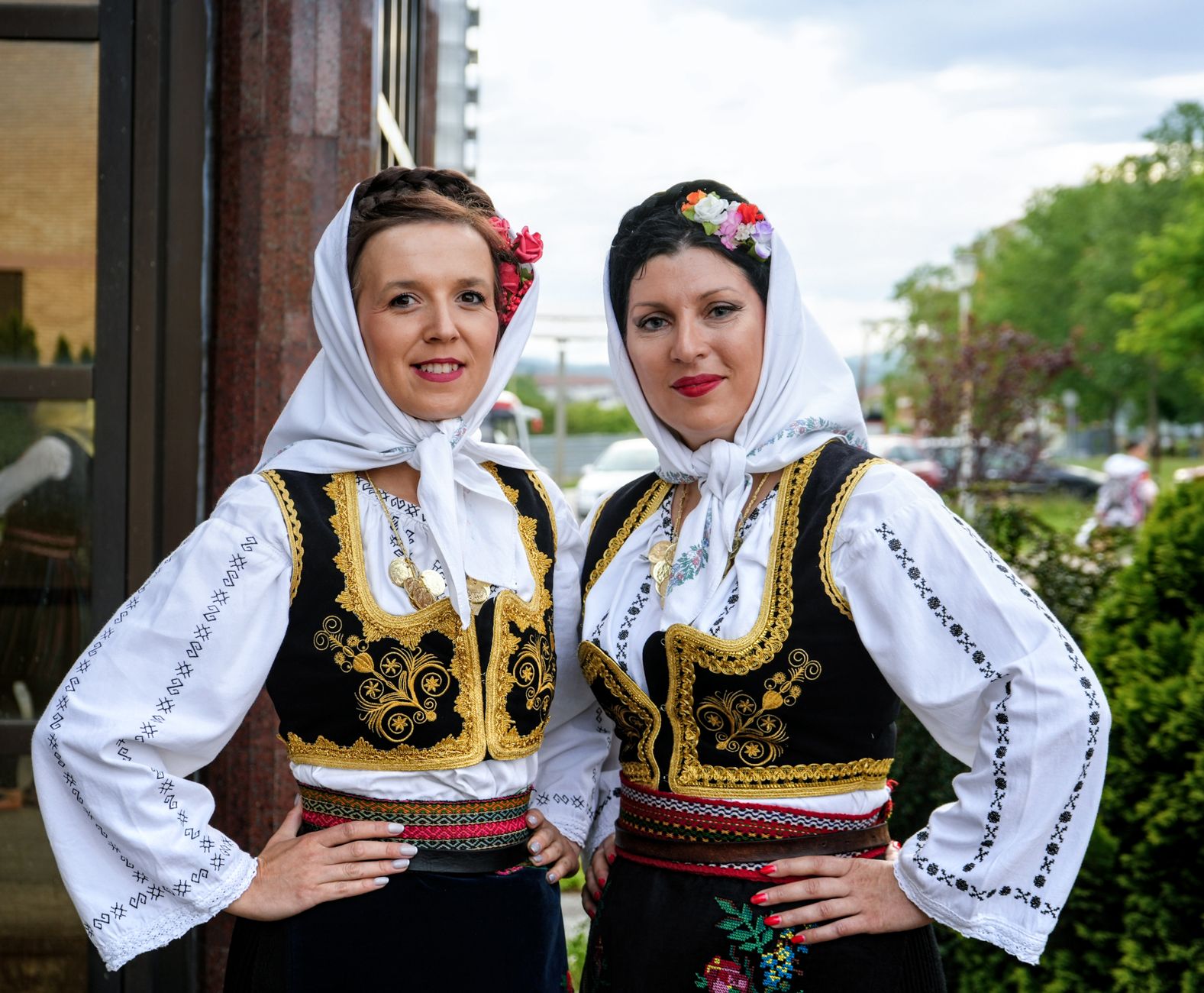
Photo by Anusree GS on Pexels
Kosovar Women Document 20,000 War Crimes Cases
On March 24, 1999, Hasime Qundermani, a Kosovo Albanian woman, began collecting testimonies from survivors of war crimes in Pristina, Kosovo. By the end of the year, she had gathered over 1,000 accounts of atrocities committed by Serbian forces. Qundermani's work was just the beginning of a massive effort by Kosovar women to document the brutal conflict that ravaged their country. On June 12, 1999, the Kosovo Women's Network was established, bringing together women from various organizations to coordinate their efforts.
What Everyone Knows
Most people think that the documentation of war crimes in Kosovo was primarily the work of international organizations and human rights groups. The standard story goes that these external entities played the key role in collecting evidence and testimonies, while local Kosovar women were mostly victims or bystanders. However, this narrative overlooks the crucial contribution of Kosovar women who took it upon themselves to gather and preserve the stories of survivors.
What History Actually Shows
Historian Julie Mertus, in her book "Kosovo: How Myths and Truths Started a War", highlights the pivotal role of women like Qundermani in documenting war crimes. By 2000, Qundermani and her team had collected over 5,000 testimonies, which were then used to support prosecutions at the International Criminal Tribunal for the former Yugoslavia. According to historian Sherri Mandell, in her article "The Role of Women in Documenting War Crimes in Kosovo", the Kosovo Women's Network, established in 1999, played a vital role in coordinating the efforts of local women. By 2001, the network had expanded its operations, with women like Fahrije Hoxha collecting testimonies in rural areas. The fact that these women were able to document over 20,000 war crimes cases, including massacres, rapes, and forced displacements, is a testament to their determination and bravery. As historian Andrea Ferrero notes in her research on the subject, the work of these women was instrumental in bringing perpetrators to justice, with many of the documented cases being used as evidence in international tribunals. By 2002, the Kosovo Women's Network had become a key partner for international organizations, providing crucial evidence and support for war crimes prosecutions. The women's efforts continued unabated, with many, like Qundermani, risking their lives to gather and preserve the stories of survivors, ultimately helping to build a comprehensive record of the conflict.
The Part That Got Buried
The international community's decision to focus on high-profile war crimes trials at the International Criminal Tribunal for the former Yugoslavia led to the suppression of the Kosovar women's documentation efforts. Specifically, the tribunal's prosecutors chose to pursue cases against high-ranking officials, leaving the thousands of cases documented by the women to gather dust. The United Nations, which was responsible for administering the territory, also failed to provide adequate support for the women's efforts, citing lack of resources and manpower. Furthermore, the Kosovo government's own priorities shifted over time, with the new administration focusing on rebuilding and economic development rather than pursuing justice for war crimes. As a result, the women's work was relegated to the background, and their stories were not told. The fact that the documentation was done primarily by women, who were not seen as key players in the conflict, also contributed to the lack of attention their work received.
The Part That Got Buried was followed by
The Ripple Effect
The documentation of war crimes by the Kosovar women has had a direct impact on the development of international law, particularly in the area of sexual violence as a war crime. The cases they documented were used as evidence in several high-profile trials, including the trial of Slobodan Milosevic. The women's work also led to changes in the way that war crimes are investigated and prosecuted, with a greater emphasis on collecting and preserving evidence. Today, the Kosovo Women's Network, an organization founded by some of the same women who documented the war crimes, continues to advocate for justice and human rights in Kosovo. The network's work is a direct result of the women's documentation efforts, and it has become a model for similar organizations in other countries. For example, the network's database of war crimes has been used to develop a similar database in Bosnia and Herzegovina.
The Ripple Effect was followed by
The Line That Says It All
The Kosovo government's official registry of war crimes now stands at over 20,000 cases, a number that would not have been possible without the tireless efforts of the Kosovar women who documented each and every one of them.
A Note on Sources
This article draws on historical records, documented accounts, and academic research related to the Kosovo War and its aftermath.


