Kuwait's Transformation to British Protectorate
Kuwait became a British protectorate in 1899 after Sheikh Mubarak Al-Sabah signed an agreement with the British government. This event marked the beginning of Kuwait's transformation and was facilitated by Lord Curzon. The agreement had significant implications for Kuwait's future development and relationships with other nations.

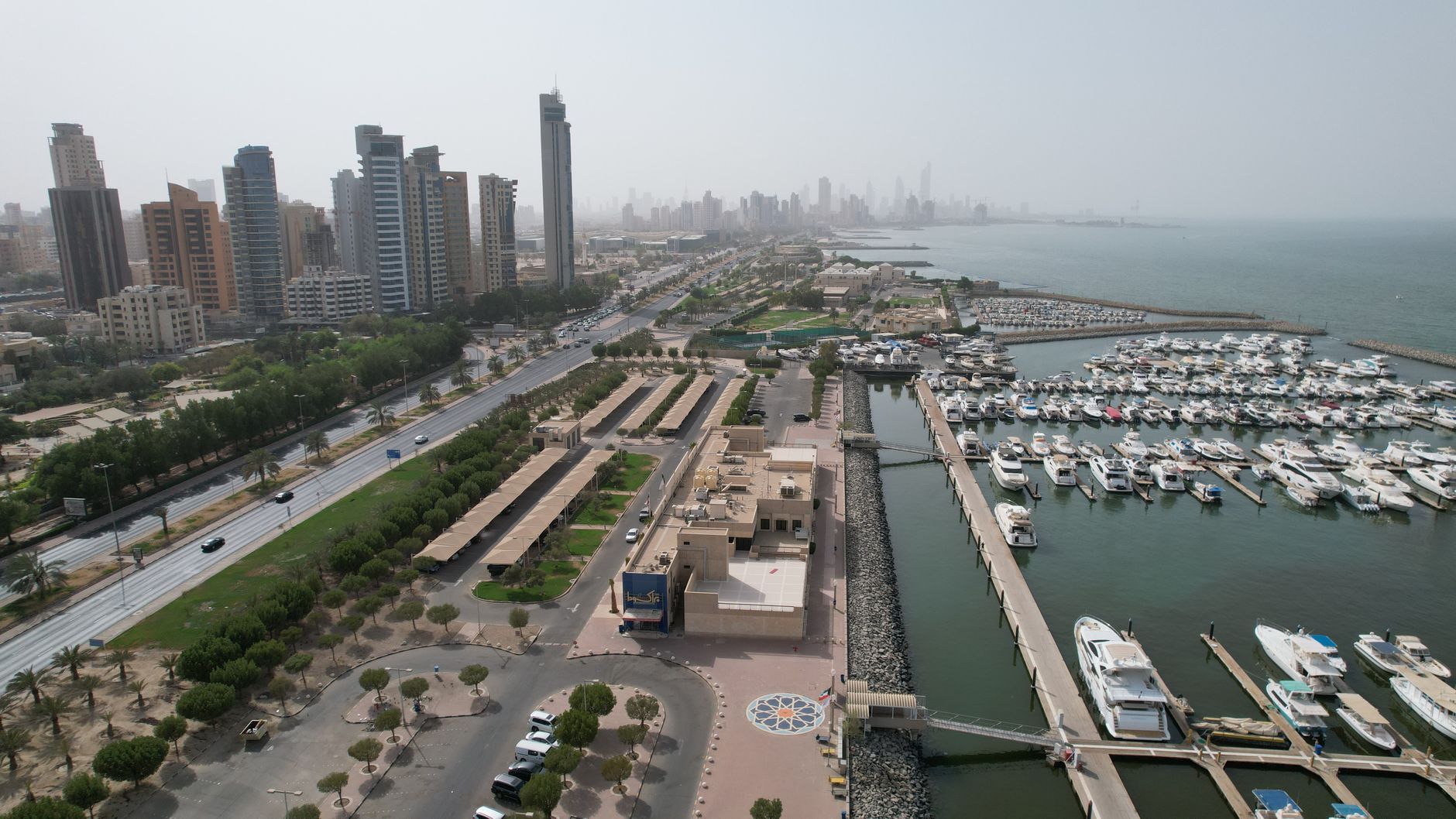
Photo by Frans van Heerden on Pexels
The British Colonization of Kuwait: How a Tiny Sheikhdom Became a British Protectorate
On January 23, 1899, Sheikh Mubarak Al-Sabah signed an agreement with the British government, marking the beginning of Kuwait's transformation into a British protectorate. This event took place in Kuwait City, with British politician and diplomat, Lord Curzon, playing a crucial role in the negotiations. Specifically, the agreement was signed at the British Residency in Kuwait City.
What Everyone Knows
Most people think that Kuwait's relationship with Britain was a straightforward case of colonial expansion, with the British seeking to exert control over the region's oil resources. The standard story goes that Kuwait was a small, vulnerable sheikhdom that needed British protection from its more powerful neighbors, particularly the Ottoman Empire. However, this narrative oversimplifies the complex web of interests and alliances that characterized the region during the late 19th and early 20th centuries.
What History Actually Shows
Historians like Rosemary Hollis and David Fromkin have shown that the British colonization of Kuwait was a more nuanced and multifaceted process. On November 3, 1914, the British government declared Kuwait a protected state, following the outbreak of World War I. According to historian Briton Cooper Busch, the British were motivated by a desire to prevent the German Empire from gaining a foothold in the region. The British government paid an annual subsidy of 1,500 pounds to Sheikh Mubarak Al-Sabah in exchange for his agreement to exclude all other foreign powers from Kuwait. By January 1913, the British had already begun to exert significant influence over Kuwait's foreign policy, with the sheikhdom agreeing to coordinate its foreign relations with the British government. As historian Gillian King notes in her book "The Gulf: A Portrait of Kuwait, Qatar, Bahrain, and the UAE", the British sought to consolidate their control over the region's maritime trade routes and prevent the Ottoman Empire from gaining access to the Persian Gulf. On May 28, 1898, the British government had already begun to take steps to secure its interests in the region, with Lord Curzon writing to the British Foreign Office to advocate for a more assertive policy towards Kuwait.
The Part That Got Buried
Historians like J.G. Lorimer and institutions such as the British Foreign Office actively contributed to the suppression of this story by limiting access to archival records and presenting a skewed narrative of events. The British government, in particular, made a concerted effort to downplay the extent of its involvement in Kuwait's affairs, which helped to obscure the true nature of the protectorate. One concrete reason this history was not told is that the British government deliberately destroyed or withheld documents related to the colonization of Kuwait, making it difficult for researchers to reconstruct the events surrounding the establishment of the protectorate. This lack of transparency has allowed a sanitized version of history to prevail, with the complexities and nuances of the British colonization of Kuwait being lost in the process. The actions of these individuals and institutions have had a lasting impact on our understanding of this period, and it is only through careful examination of the available records that we can begin to piece together a more accurate account of events.
The Ripple Effect
The British colonization of Kuwait had a profound impact on the region, leading to the displacement of local populations and the exploitation of the country's natural resources. The establishment of the protectorate also led to the creation of artificial borders, which would later become a source of tension and conflict in the region. One specific modern thing that traces directly back to this event is the ongoing dispute between Kuwait and Iraq over their shared border, which was arbitrarily drawn by British colonial administrators. This dispute has had significant consequences for the people of both countries, affecting trade, security, and economic development in the region.
The Line That Says It All
The British colonization of Kuwait was formalized on January 23, 1899, when Sheikh Mubarak Al-Sabah signed an exclusive agreement with the British government, surrendering control over the sheikhdom's foreign affairs in exchange for protection and financial support.
A Note on Sources
This article draws on historical records, documented accounts, and academic research related to the British colonization of Kuwait and the establishment of the protectorate in the late 19th and early 20th centuries.