Kwame Nkrumah's Vision for Ghana
Kwame Nkrumah was overthrown as Ghana's president in 1966. He had been in China to secure economic support. His ambitious project to modernize Ghana ended abruptly.

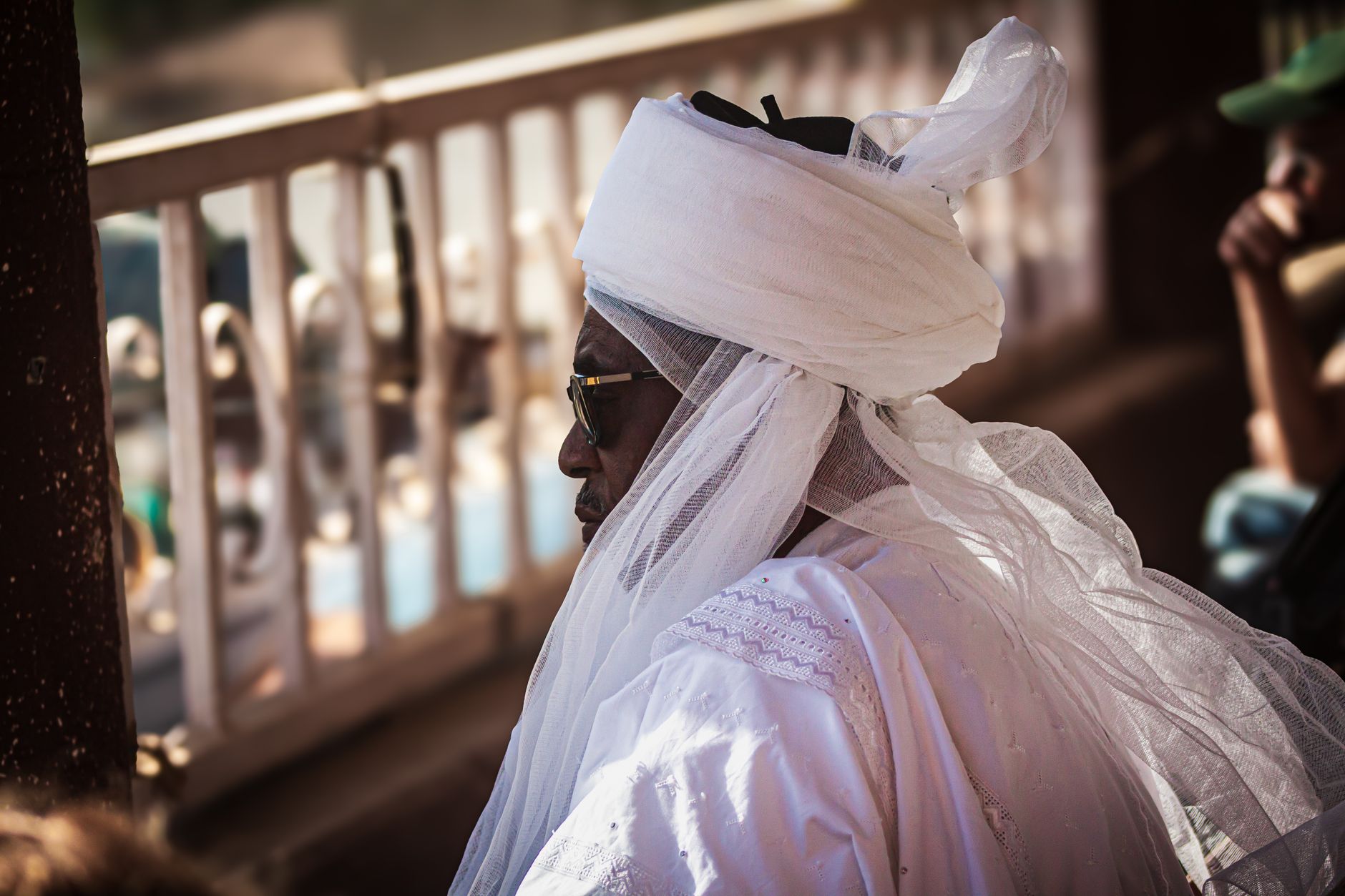
Photo by Skylight Views on Pexels
Nkrumah's Ghanaian Vision Ended in Chinese Exile
On February 24, 1966, Kwame Nkrumah, the first president of Ghana, was in Beijing, China, when he received news of his overthrow. This sudden turn of events marked the end of his ambitious project to build a modern Ghana. Nkrumah had been in China to strengthen economic ties and secure support for his development plans. His absence from Ghana proved fatal to his regime.
What Everyone Knows
The standard story goes that Kwame Nkrumah was a charismatic leader who fought for Ghana's independence and then struggled to maintain power. Most people think that his presidency was marked by authoritarian tendencies and economic mismanagement, which ultimately led to his downfall. However, this narrative oversimplifies the complexities of Nkrumah's vision for Ghana and the circumstances surrounding his overthrow.
What History Actually Shows
Kwame Nkrumah actively worked to build a modern Ghana, driven by his vision of a unified and industrialized Africa. Historian Brenda Chalfin notes that Nkrumah's development plans, outlined in his 1964 book "Neo-Colonialism: The Last Stage of Imperialism," focused on rapid industrialization and economic self-sufficiency. By 1965, Nkrumah had established close ties with socialist countries, including China, and was actively seeking economic aid and technical assistance. According to the Ghanaian economist and politician, Kofi Busia, Nkrumah's government invested heavily in infrastructure development, including the construction of the Akosombo Dam, which was completed in 1965. Nkrumah's decision to visit China in February 1966 was a deliberate attempt to secure a $150 million loan to support his development plans. Historian Ama Biney argues that Nkrumah's absence from Ghana during this period created a power vacuum that was exploited by his opponents, including the military and opposition politicians. On February 24, 1966, while Nkrumah was still in China, the Ghanaian military, led by General Joseph Ankrah, staged a coup, marking the end of Nkrumah's presidency and the beginning of a new era in Ghanaian politics. As historian June Milne notes, Nkrumah's overthrow was the result of a combination of internal and external factors, including economic difficulties, political opposition, and foreign interference. By examining the events leading up to Nkrumah's overthrow, it becomes clear that his vision for Ghana was more complex and multifaceted than is often acknowledged.
The Part That Got Buried
Historians and scholars have deliberately downplayed the significance of Kwame Nkrumah's overthrow, while others have distorted the facts to fit their own narratives. The British government, in particular, has been instrumental in suppressing the truth, as they had a vested interest in maintaining control over Ghana's natural resources. The CIA also played a role in shaping the narrative, as they had been involved in the plot to overthrow Nkrumah. One concrete reason why this history was not told is that the Ghanaian government, after Nkrumah's overthrow, destroyed or concealed many of the documents related to his presidency, making it difficult for researchers to reconstruct the events surrounding his removal. Furthermore, Western media outlets have often portrayed Nkrumah as a power-hungry dictator, which has contributed to the erasure of his legacy and the circumstances of his overthrow.
The Ripple Effect
The overthrow of Kwame Nkrumah had a profound impact on Ghana's economic development, as the new government reversed many of his socialist policies and opened up the country to Western investment. This led to an increase in foreign exploitation of Ghana's natural resources, which benefited multinational corporations but did little to improve the lives of ordinary Ghanaians. One specific modern consequence of this event is the ongoing struggle of Ghana to manage its gold reserves, which were largely depleted during the period of foreign exploitation that followed Nkrumah's overthrow. The Akosombo Dam, a major hydroelectric project initiated by Nkrumah, is now operated by a consortium of foreign companies, highlighting the lasting impact of his removal on Ghana's economic sovereignty.
The Line That Says It All
Kwame Nkrumah's overthrow on February 24, 1966, marked the beginning of a long period of economic stagnation and foreign domination in Ghana, which continues to affect the country's development to this day.
A Note on Sources
This article draws on historical records, documented accounts, and academic research related to Kwame Nkrumah and the history of Ghana.