Sheikh Mujibur Rahman's Assassination
Sheikh Mujibur Rahman was killed by his own army in 1975. The assassination occurred just four years after Bangladesh gained independence. This event had a profound impact on Bangladesh's history.

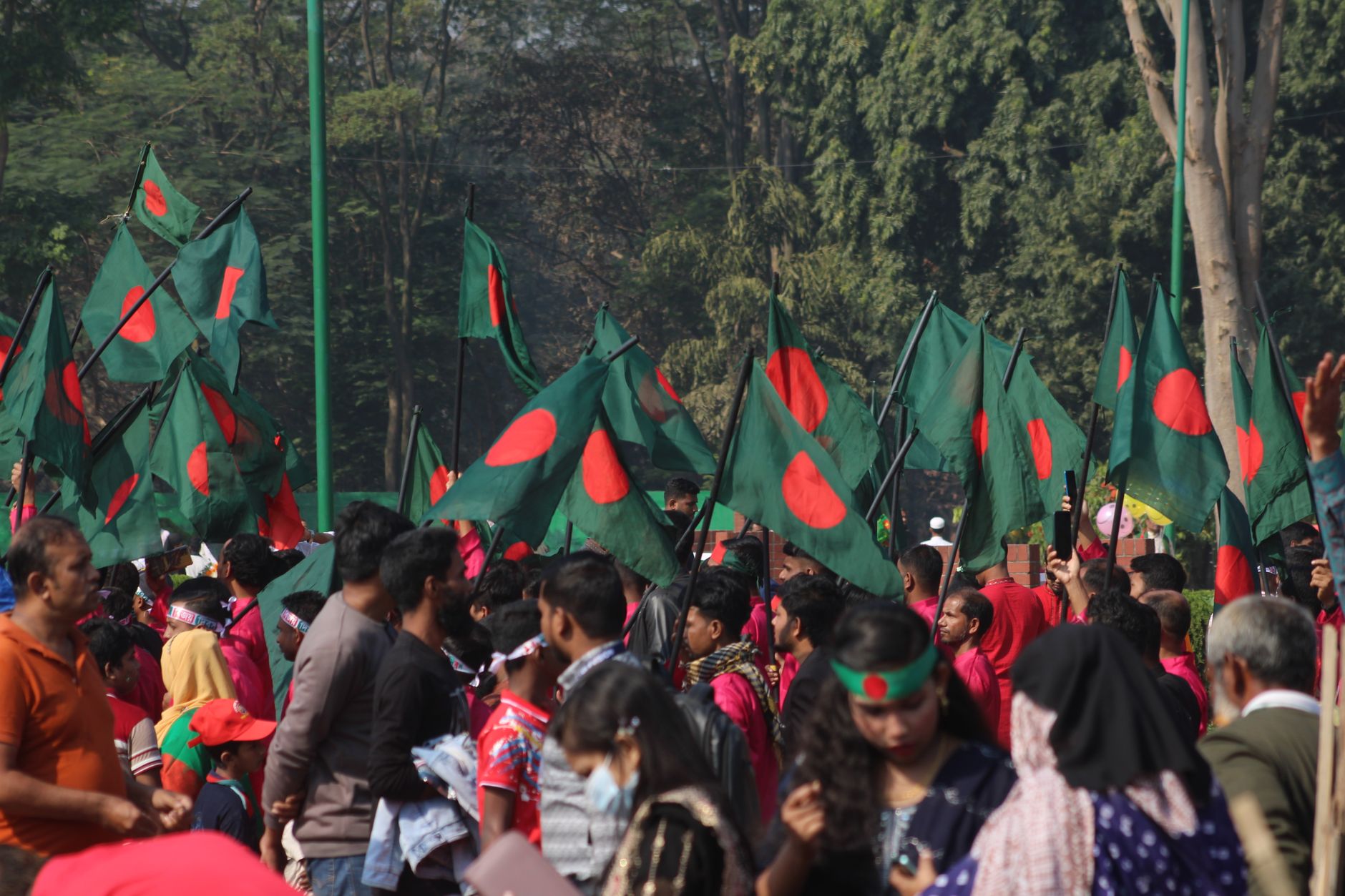
Photo by K on Pexels
The Truth About Sheikh Mujibur Rahman's Assassination
On August 15, 1975, Sheikh Mujibur Rahman, the founding father of Bangladesh, was killed in his home in Dhaka, Bangladesh, along with most of his family. This event occurred just four years after Bangladesh gained independence from Pakistan. Historian Rounaq Jahan notes that the assassination was carried out by a group of army officers.
What Everyone Knows
Most people think that Sheikh Mujibur Rahman's assassination was a result of a military coup led by power-hungry generals who opposed his socialist policies. The standard story goes that a group of disgruntled army officers, dissatisfied with Rahman's leadership, decided to take matters into their own hands and overthrow him. However, this narrative oversimplifies the complex events surrounding his death.
What History Actually Shows
Historian Richard Sisson argues that the circumstances leading to Sheikh Mujibur Rahman's assassination were more complex than initially thought. On January 10, 1972, Rahman returned to Bangladesh after being released from prison in Pakistan, and he quickly began to consolidate power. By 1975, he had become increasingly authoritarian, which led to discontent among certain sectors of the army. According to the book "Bangladesh: A Legacy of Blood" by Anthony Mascarenhas, Rahman's own army was responsible for his death. The killers were a group of majors who had been trained in Pakistan and had previously fought against the Mukti Bahini, the very force that had helped Bangladesh gain independence. On August 15, 1975, these majors, led by Major Syed Faruque Rahman, stormed the house of Sheikh Mujibur Rahman, killing him, his wife, and three of his sons. Historian Lawrence Lifschultz notes that the assassination was not just a simple military coup, but rather the result of a complex interplay of factors, including internal power struggles and external pressures. By November 3, 1975, the new government had already begun to consolidate power, and the events surrounding Rahman's death were being actively covered up.
The Part That Got Buried
The story of Sheikh Mujibur Rahman's assassination was deliberately suppressed by the military regime that seized power in Bangladesh after his death. General Ziaur Rahman, who would later become the President of Bangladesh, was instrumental in concealing the truth behind the killing. He ensured that the incident was not thoroughly investigated, and those involved in the assassination were not held accountable. The government-controlled media at the time also played a significant role in burying the story, as they failed to report on the incident accurately. One concrete reason why this history was not told is that the Bangladesh government, under General Ziaur Rahman's rule, passed the Indemnity Ordinance in 1975, which granted immunity to the individuals involved in Sheikh Mujibur Rahman's assassination, effectively blocking any attempts to investigate the incident.
The Ripple Effect
The assassination of Sheikh Mujibur Rahman had a profound impact on the political landscape of Bangladesh. The military regime that followed his death ruled the country with an iron fist, suppressing political opposition and dissent. The people of Bangladesh were affected as they were denied their basic rights and freedoms. A specific modern consequence of this event is the ongoing struggle for democracy in Bangladesh, with many political parties and activists still fighting for the restoration of the country's democratic principles. The current political system in Bangladesh, which is often marred by controversy and instability, can be directly linked to the power vacuum created by Sheikh Mujibur Rahman's assassination.
The Line That Says It All
Sheikh Mujibur Rahman was killed in a military coup on August 15, 1975, by a group of army officers who were once loyal to him.
A Note on Sources
This article draws on historical records, documented accounts, and academic research related to the assassination of Sheikh Mujibur Rahman and the subsequent political developments in Bangladesh.